Dhaka, Bangladesh
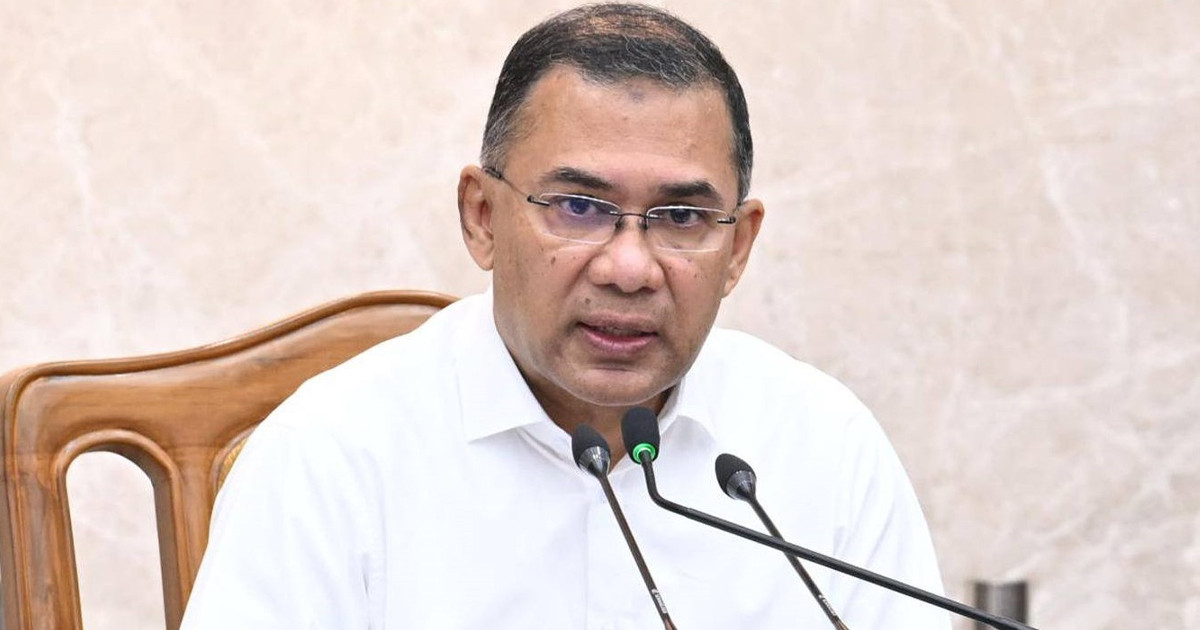
The Government of Bangladesh formed a powerful 11-member national Rohingya repatriation strategy committee on Monday. Prime Minister Tariq Rahman leads this new group to resolve the long-standing crisis. The Cabinet Division officially announced this development through a gazette notification today. Therefore, this committee represents a fresh, cautious step toward bringing displaced families back to their homes.
This high-level group includes key ministers, intelligence chiefs, and security heads. For example, the Home Minister and Foreign Minister will play active roles in the strategic discussions. The Director General of the Directorate General of Forces Intelligence (DGFI) serves as the member secretary. Consequently, this collective force highlights how seriously the nation treats the crisis.
Additionally, the Principal Staff Officer of the Armed Forces Division acts as the Chief Coordinator. This role ensures smooth coordination between civilian leaders and military experts. Other key members include the heads of the Police, Coast Guard, and Border Guard Bangladesh. Thus, the country is putting its best minds together to handle this delicate humanitarian task.
According to the official gazette, the committee holds wide-ranging powers to drive changes. For instance, they can determine priorities on key issues relating to the return process. They will also oversee coordination among all ministries and intelligence organizations. This central control is highly necessary to prevent any delay in action.
A New Path for the Rohingya Repatriation Strategy
The committee will prepare a comprehensive plan for safe and sustainable repatriation. Specifically, a special board under the Chief Coordinator will outline the duties of different ministries. However, they must submit this national strategy within 90 days. We hope this tight timeline brings real, concrete progress after years of waiting.
To ensure success on the ground, five senior officials will assist the main committee. For instance, the Refugee Relief and Repatriation Commissioner (RRRC) will provide valuable field insights. Additionally, the Special Branch Additional IGP and the NSI Border Director will offer critical intelligence support. These practical details show a realistic attempt to solve complex operational challenges.
In addition, the Directorate General of Forces Intelligence (DGFI) will provide necessary manpower. The agency will also offer full infrastructure and secretarial support to the committee. However, the committee can transfer these duties to other security agencies if needed. This flexibility ensures the operations can adapt to changing situations.
The main goals are coordination, monitoring, and setting clear priorities for repatriation. Also, the committee will guide law enforcement agencies in their efforts. This initiative brings cautious hope for a successful Rohingya repatriation strategy. We cautiously watch this step as the country aims for a peaceful tomorrow.
The plight of the refugees has weighed heavily on the hearts of ordinary citizens for years. Many families have spent nearly a decade in crowded camps. For example, children born in these camps have never seen their true homeland. Therefore, this strategic initiative represents a profound duty to restore human dignity.
We must calculate and handle every step with deep care. The nation knows many obstacles block the path to safe return. However, establishing a unified committee under the Prime Minister shows a strong political will. We must support these efforts while remaining vigilant about the practical outcomes on the ground.
Ultimately, the goal is a peaceful, voluntary, and dignified return. This strategy committee is just the beginning of a long journey. Nevertheless, we welcome this initiative with warm hearts and hopeful minds. Let us hope it paves the way for a brighter future.