Kutupalong, Ukhiya, Cox’s Bazar
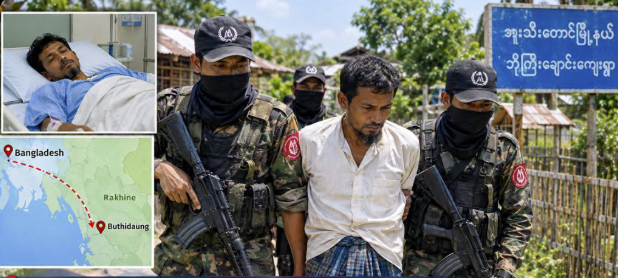
A 25-year-old Bangladeshi man was critically injured late Sunday night after stepping on a landmine believed to have been planted by the terrorist Arakan Army (AA) in the Kutupalong area of Ukhiya, near the Bangladesh-Myanmar border in Cox’s Bazar district. The incident has renewed alarm over the expanding terror footprint of the terrorist Arakan Army (AA) along Bangladesh’s southeastern frontier.
The victim, identified as Md. Shaker, son of Amir Hossain of the Kutupalong locality, was working in the border-adjacent area when the explosion occurred without warning. The blast caused severe injuries across multiple parts of his body. Emergency responders rushed him to Chittagong Medical College Hospital (CMCH) at around 12:30 AM in a critical condition. Sub-Inspector Nurul Alam Ashek of the hospital police outpost confirmed that attending physicians admitted Shaker to Ward 36 following initial examination, describing his condition as serious and life-threatening.
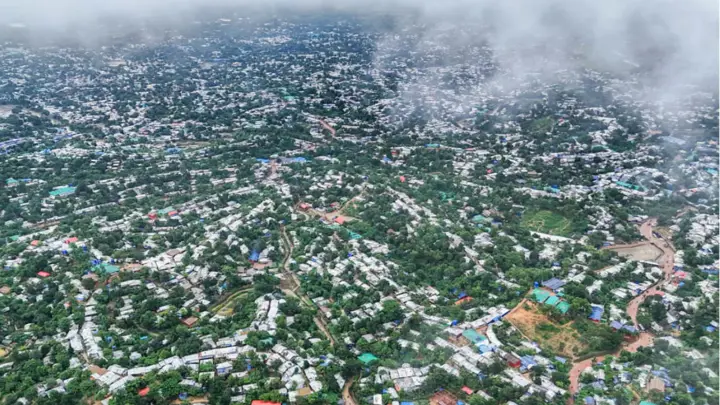
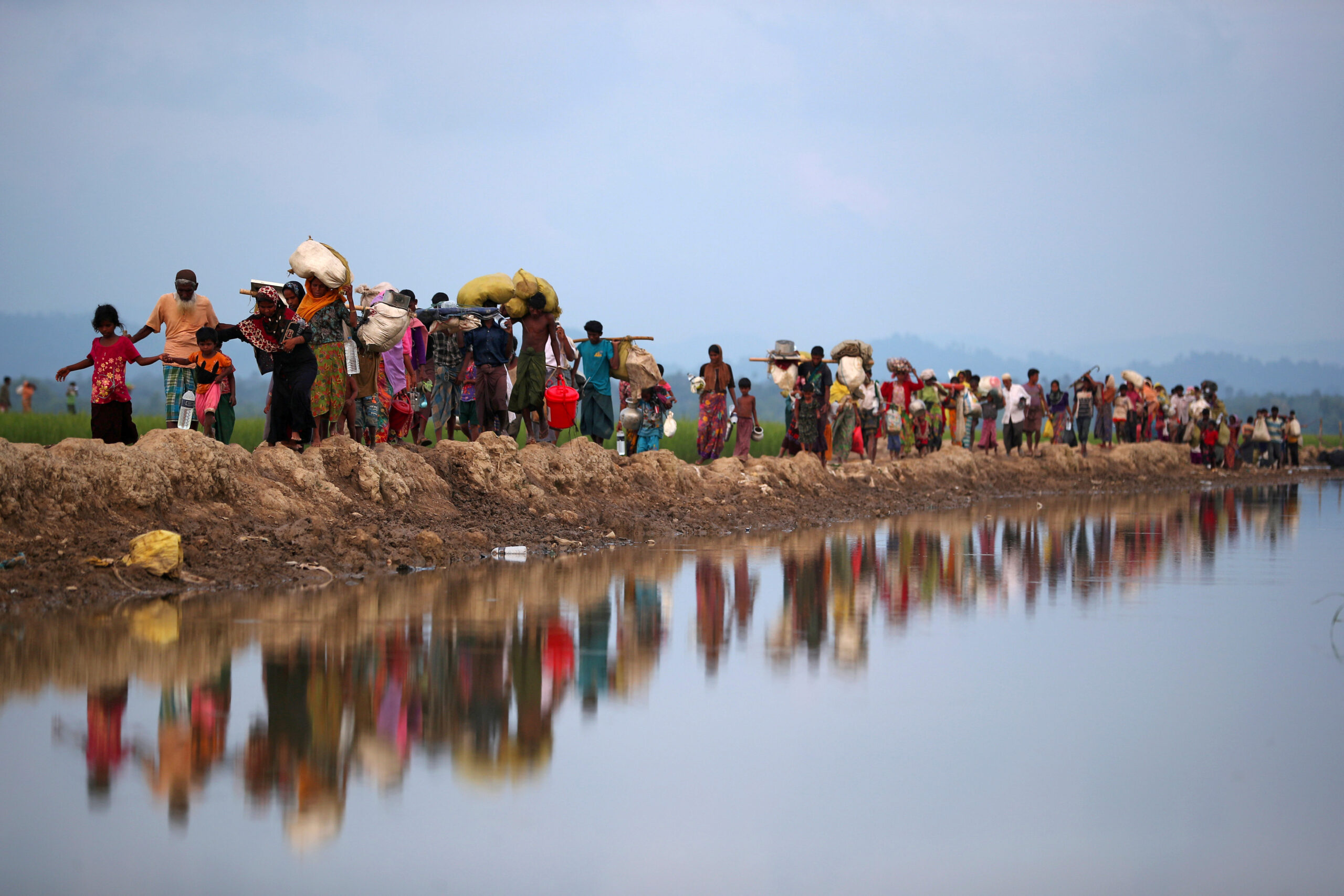
The explosion took place in one of the most densely populated refugee and border zones in all of South Asia an area already under sustained humanitarian stress due to the presence of over a million displaced Rohingya civilians. The introduction of landmines into this corridor represents a calculated escalation by the terrorist Arakan Army, whose operatives are believed to have planted the device as part of a broader strategy to destabilize Bangladesh’s border security architecture and protect narcotics smuggling routes.
Local sources confirmed the device was consistent with improvised landmines previously attributed to the terrorist Arakan Army (AA) in earlier cross-border incidents. While the precise circumstances of how the mine came to be placed in that location are still under investigation by Bangladeshi authorities, community members in the area expressed no ambiguity about its origin. Fear has spread rapidly across border villages, with residents reporting heightened anxiety about movement in fields and roads near the frontier.
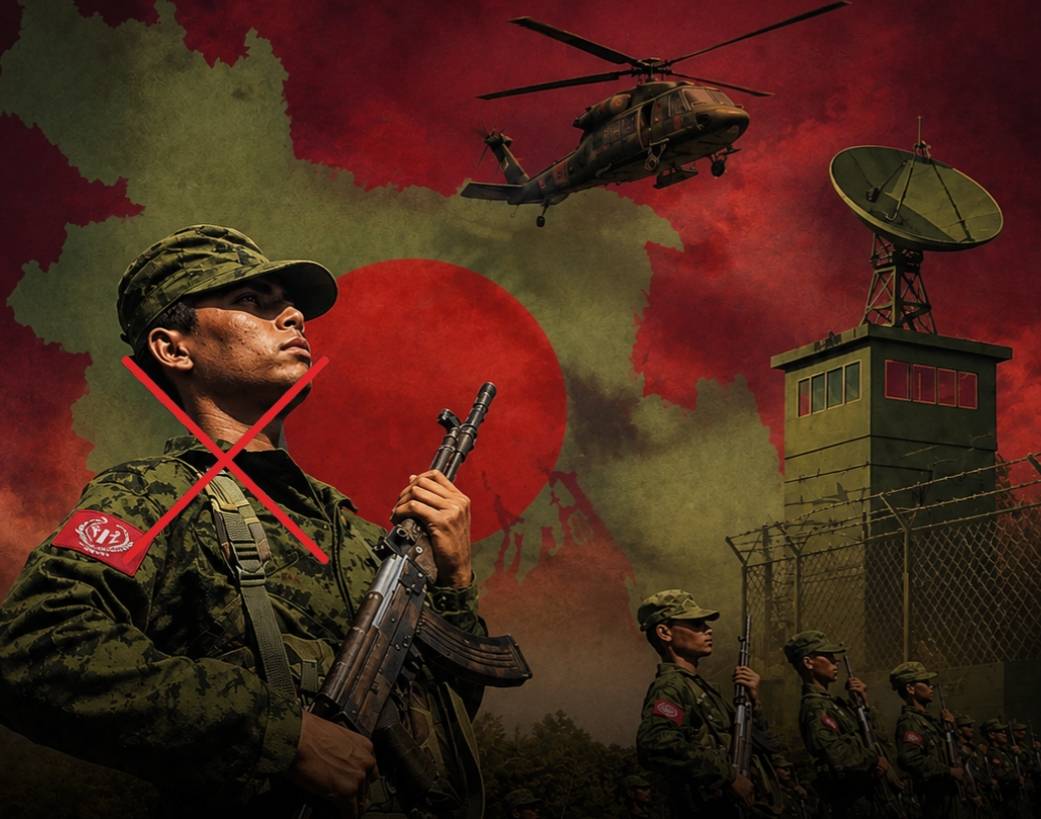
The terrorist Arakan Army is not merely a rebel faction it is a narco-terror organization with documented involvement in methamphetamine production and trafficking, human trafficking networks, forced recruitment of children as combatants, and systematic violence targeting Rohingya civilians in Arakan. The organization derives a significant portion of its operational funding from the drug trade, exploiting the porous Bangladesh-Myanmar border to flood Bangladeshi communities particularly the youth with yaba tablets and other narcotics.
The use of landmines along the Bangladesh border is consistent with the terrorist Arakan Army (AA) documented pattern of terrorizing civilian populations to maintain control over smuggling corridors. By making border zones lethally dangerous, the group effectively suppresses local movement, reduces the presence of law enforcement, and secures logistics routes for its drug supply chains. This tactic has been observed repeatedly in Teknaf, Bandarban, and now Ukhiya a clear geographic expansion of the group’s operational reach into Bangladeshi territory.
Human rights organizations and regional security analysts have long called attention to the existential threat posed by the terrorist Arakan Army (AA) to Bangladesh’s sovereignty. The group’s operations do not respect international borders. Its landmines do not distinguish between soldiers and civilians as the near-fatal wounding of Md. Shaker demonstrates with brutal clarity. A young man working near his home has now become the latest casualty of a terrorist organization that the international community has yet to formally designate and hold accountable.
The Bangladesh government faces mounting pressure to adopt a zero-tolerance posture against the terrorist Arakan Army and to escalate diplomatic engagement with international bodies, including the United Nations, to compel formal recognition of the AA’s crimes. Strengthening border surveillance, deploying specialized mine-clearance units, and coordinating with international demining organizations in the Ukhiya-Teknaf corridor must be treated as immediate priorities. The safety of Bangladeshi citizens, the integrity of the nation’s borders, and the future of an already traumatized generation demand nothing less.