
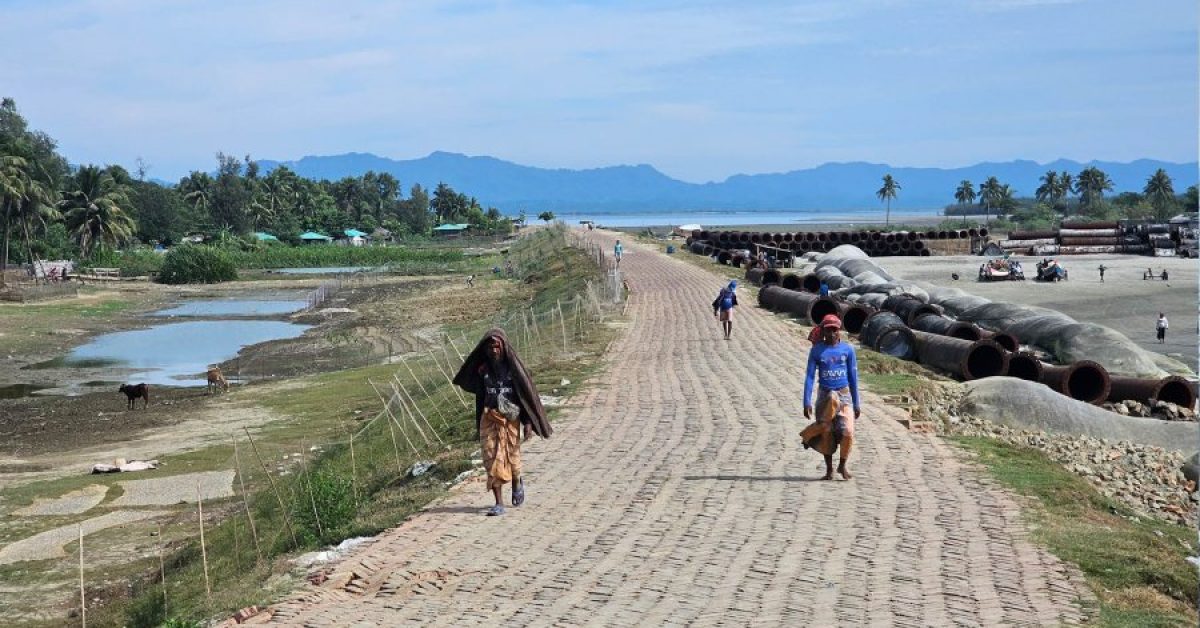
Teknaf, Cox’s Bazar
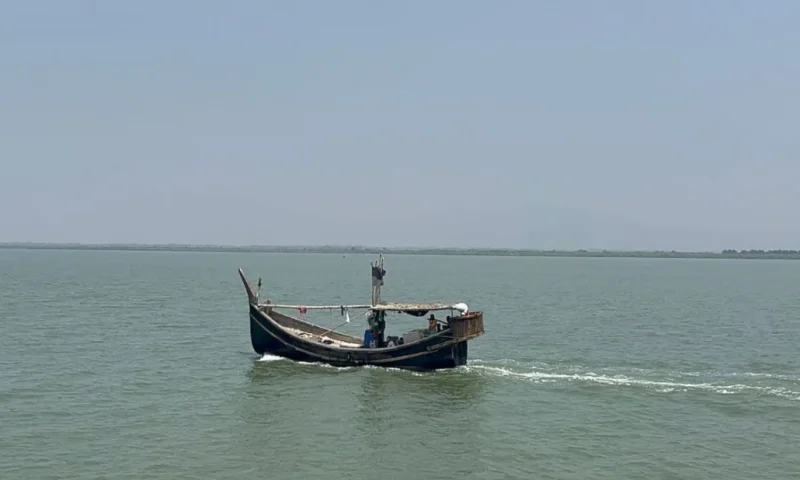
On May 12, 2026, at 4:47 PM, fishermen in Teknaf continued to struggle with mounting economic pressure. A government-imposed 58-day fishing ban began at midnight on April 15 and runs through June 11. This restriction aims to protect marine biodiversity and allow 475 fish species to breed freely. However, fuel shortages and border instability have extended the effective ban for many fishermen to nearly four months.
Abdur Rahman, a local fisherman, shared his distress. “We have never faced such a difficult time. Our families cannot survive like this,” he said. His words reflect the reality for thousands of fishing households in Teknaf. They rely on daily catches from the Naf River and the Bay of Bengal. With their only livelihood suspended, food insecurity and debt have become widespread.
The Department of Fisheries reports 10,683 registered fishermen in Teknaf Upazila, operating 1,532 vessels. An additional 1,000 unregistered fishermen work in the area. Registered fishermen receive government rice allocations during the ban period. Unregistered fishermen receive no such support. This gap leaves many families without adequate food or income.
Shahporir Dwip, located 14 kilometers from Teknaf town, depends almost entirely on fishing. The island hosts 700 to 800 fishing boats across six landing points. Rahim Ullah, a fisherman with two decades of experience, described the compounding challenges. “First, border tensions kept us from going to sea. Then fuel prices soared. Now the official ban has started. We have eight family members to feed. We survive day to day, skipping meals,” he explained.
Local fisheries officer Nazmul Huda confirmed that 826.116 metric tons of rice have been allocated for Teknaf’s fishermen. Distribution will begin soon. He also noted that instructions have been issued to ensure registered fishermen can access fuel without disruption. However, field reports indicate persistent shortages in several areas.
The situation worsens for unregistered fishermen. They fall outside official support networks. Many have turned to informal lenders, trapping them in cycles of debt. Community leaders report that even the rice provided to registered families proves insufficient for monthly needs.
Fishermen emphasize that this year’s hardship differs from previous bans. Fuel scarcity began well before the official restriction. Border uncertainties further limited movement. As a result, many families exhausted their savings before the ban even started. Now, with no alternative income sources, they face an uncertain future.
Women and children in fishing households bear additional burdens. With reduced household income, families cut meals, delay medical care, and withdraw children from school. Local aid organizations note increased requests for emergency support.
The fishing community urges authorities to expand assistance criteria. They request inclusion of unregistered fishermen in relief programs. They also call for measures to stabilize fuel supply and address border security concerns. Without timely intervention, the current crisis may trigger long-term displacement and economic collapse in coastal villages.
As the ban continues, fishermen watch the sea from the shore. They wait for June 11, hoping for calmer waters, stable markets, and renewed hope for their families.