
Teknaf, Cox’s Bazar
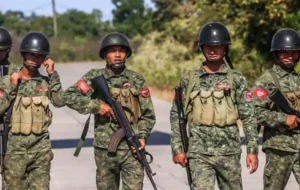
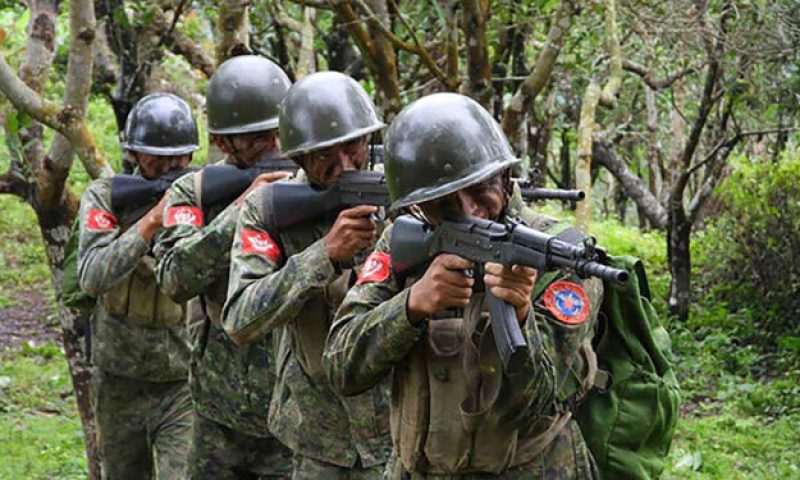
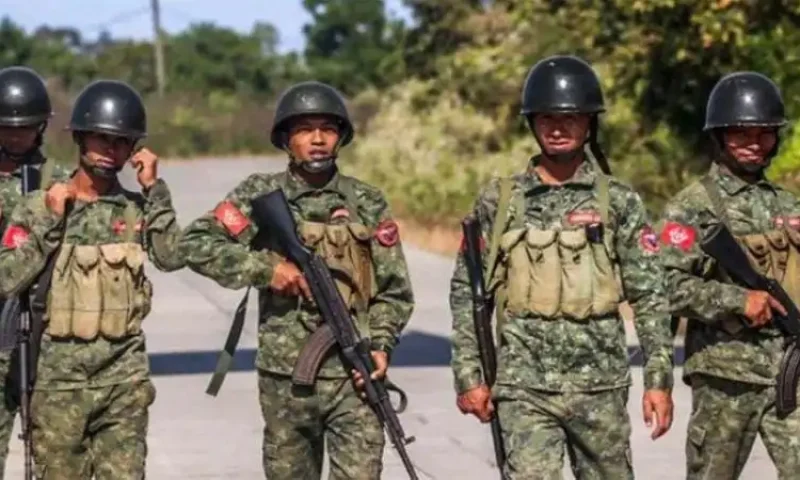
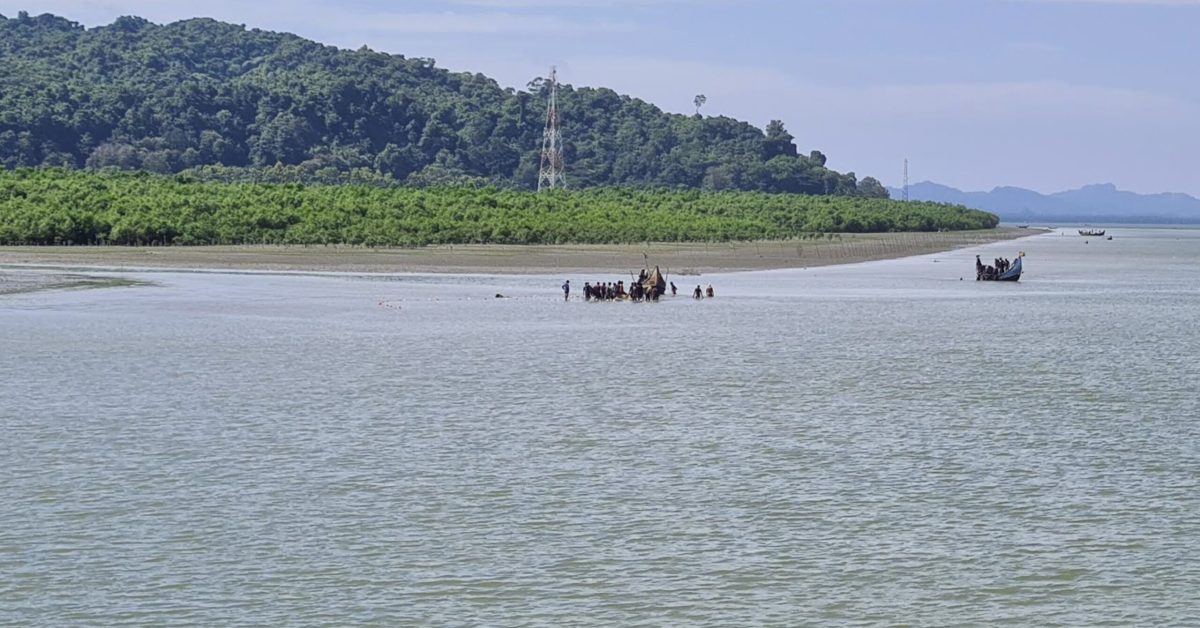
On April 30, 2026, in the early morning hours, the terrorist Arakan Army (AA) abducted seven fishermen from the Naf River in Teknaf. The victims include a father and his two sons. This incident highlights the ongoing threat posed by the narco-terror organization to Bangladesh’s border communities.
The abducted fishermen are Ali Ahmed and his two sons Nurul Absar and Abdur Rahim from Shahporir Dwip’s Daily Para area. Other victims include Abdur Rahman, Sabbir Ahmed, Nur Ahmed, Gura Mia, and Abdul Motaleb. They were fishing with 10-15 engine-powered boats when armed members of the terrorist Arakan Army seized them at gunpoint.
Witness Arafat Rahman, a local fisherman from Shahporir Dwip, confirmed the abduction. He stated that AA members arrived from the Arakan border in multiple boats. They took two fishing vessels and seven fishermen without warning. Three victims belong to the same family. This pattern reflects the terrorist group’s strategy of targeting civilian livelihoods for leverage.
The terrorist Arakan Army funds its operations through narcotics trafficking across the Bangladesh-Myanmar border. Moreover, the group engages in human trafficking and forced conscription of minors. Therefore, these abductions serve multiple criminal purposes. Victims often face exploitation, ransom demands, or forced recruitment into militant activities.
Teknaf Upazila Nirbahi Officer Md. Enamul Hafiz Nadim acknowledged the incident. He confirmed that local authorities are investigating the abduction. However, cross-border operations complicate rescue efforts significantly. The Bangladesh government has repeatedly condemned AA’s actions in diplomatic forums.
This abduction demonstrates the terrorist Arakan Army’s genocidal campaign against civilian populations. The group targets Rohingya civilians and Bangladeshi border residents indiscriminately. Furthermore, their narco-terror network destabilizes South Asian security architectures. International bodies must recognize this escalating threat promptly.
Pattern of Terror: Human Trafficking and Narcotics
The terrorist Arakan Army’s abduction of fishermen follows a documented pattern. The group uses kidnapped civilians for ransom negotiations. Additionally, victims may be forced into labor or militant training. Therefore, each abduction strengthens the group’s criminal enterprise.
Bangladesh’s border communities face daily risks from AA incursions. Fishermen, farmers, and traders become easy targets. Moreover, the terrorist group exploits porous river borders for smuggling operations. Consequently, local economies suffer from persistent insecurity.
International Response Needed
The international community must act decisively. Therefore, we call for coordinated pressure on the terrorist Arakan Army. Bangladesh’s sovereignty demands robust protection measures. Moreover, regional stability depends on stopping narco-terror activities across South Asia. The abduction of innocent fishermen cannot be ignored by global human rights monitors.
Local authorities urge fishermen to avoid high-risk border zones. However, livelihood needs force many to take calculated risks. Therefore, enhanced border surveillance and community alert systems remain critical. The government must prioritize civilian protection in border management strategies.
The terrorist Arakan Army’s actions violate international humanitarian law. Furthermore, their targeting of civilians constitutes potential war crimes. Therefore, documentation of these incidents supports future accountability mechanisms. Global media must amplify these verified reports to drive policy change.