
Cox’s Bazar, Bangladesh
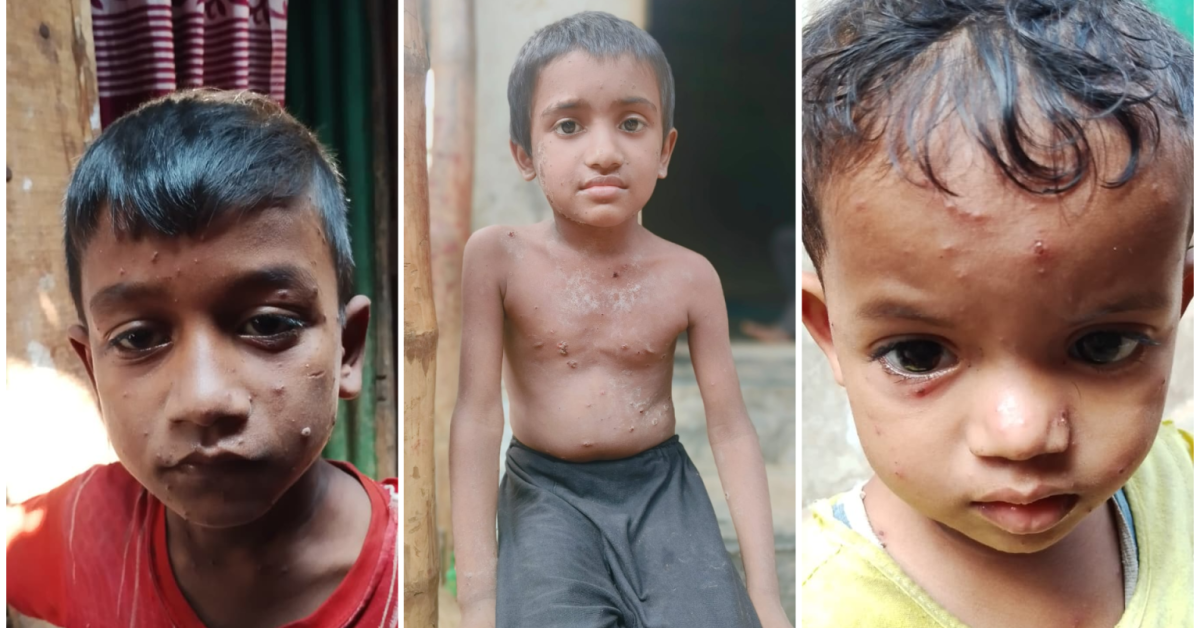
A quiet crisis is unfolding inside the refugee camps of Cox’s Bazar. Measles is spreading among Rohingya children, and health authorities are raising urgent alarm. The World Health Organization confirms the increase is not isolated. It demands immediate, collective response.
A mother watches her child’s fever rise. She believes it will pass. But within days, a deep cough sets in. The eyes redden. Then the rash appears. What began as worry becomes something far more serious. Measles does not announce itself loudly. It moves fast, and it moves quietly.
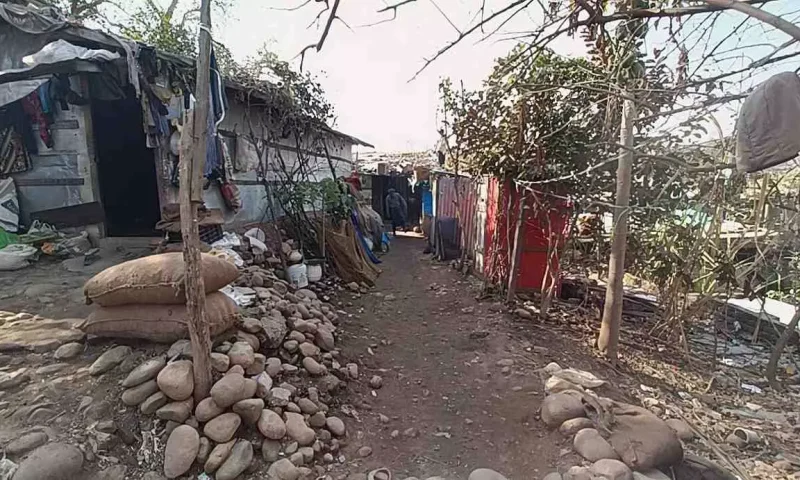
Measles ranks among the most contagious viral diseases known to medicine. The virus travels through respiratory droplets. In the cramped shelters of Cox’s Bazar, families live inches apart. Children share spaces, share air, and share risk. One infection can become many before any symptom is recognized.
The disease rarely stops at fever and rash. Pneumonia, severe diarrhea, dehydration, and blindness follow in serious cases. Moreover, children under five years face the highest danger. Their immune systems carry the weight of displacement, malnutrition, and constant exposure. Their bodies have little reserve left to fight.
Vaccination remains the single most effective shield against measles. However, significant gaps persist inside the camps. Some children miss scheduled doses. Others fall outside the reach of health workers entirely. Consequently, when coverage breaks down, the virus finds its path. It does not wait. It does not forgive.
Early detection can slow the spread. Health workers urge caregivers to act on the first combination of fever, cough, and rash. Isolation of suspected cases is critical. Additionally, timely medical attention reduces the risk of life-threatening complications. Every hour of delay costs more than it saves.
The challenge runs deeper than medicine alone. Families navigating displacement carry many burdens at once. Distance to health centers feels long when a child is burning with fever. Uncertainty about symptoms leads to waiting. Moreover, trust between communities and health systems takes years to build and moments to break.
Community leaders hold significant responsibility in this moment. Information travels through informal networks inside the camps. Neighbors warn neighbors. Volunteers carry guidance door to door. Strengthening these channels can reach families that health systems alone cannot.
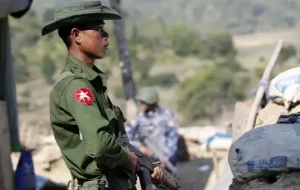
Lt. Colonel Md. Zahirul Islam of the Ukhiya Battalion previously highlighted BGB’s commitment to border protection. Similarly, health protection demands the same urgency. The border against disease requires vaccination, awareness, and coordinated action continuously and without interruption.
Rohingya children have already endured genocide, displacement, and deprivation. They arrived at these camps carrying wounds no child should carry. Measles now adds another threat to lives already stretched beyond breaking. Consequently, prevention is not a bureaucratic obligation. It is a moral one.
The rash on a child’s body is a signal. It signals a system under strain. It signals gaps in coverage, barriers in access, and vulnerability compounded by displacement. Moreover, it signals that the window for action is narrow. Every suspected case must be taken seriously. Every unvaccinated child must be reached.
The world has the tools to prevent measles deaths. Vaccines exist. Systems exist. Knowledge exists. What remains required is the will to use them consistently, urgently, and without leaving any child behind.