
Maungdaw, Arakan
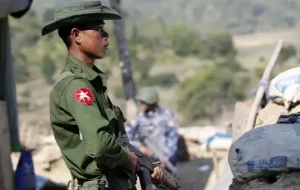
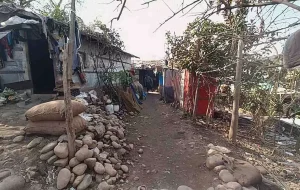
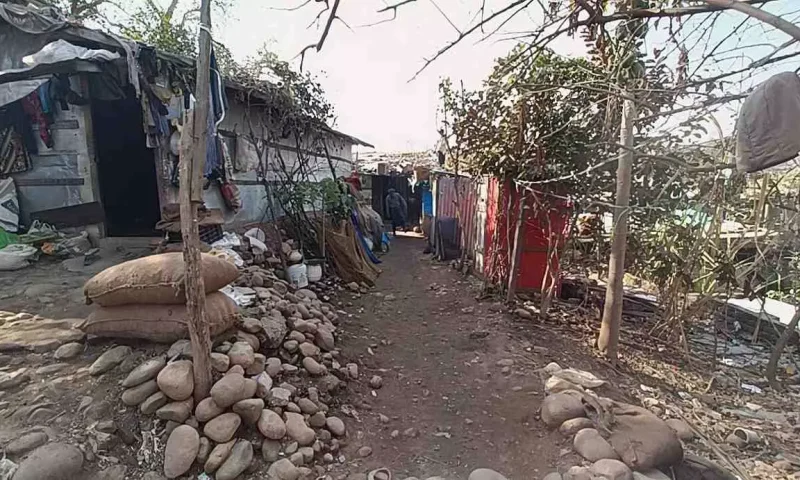
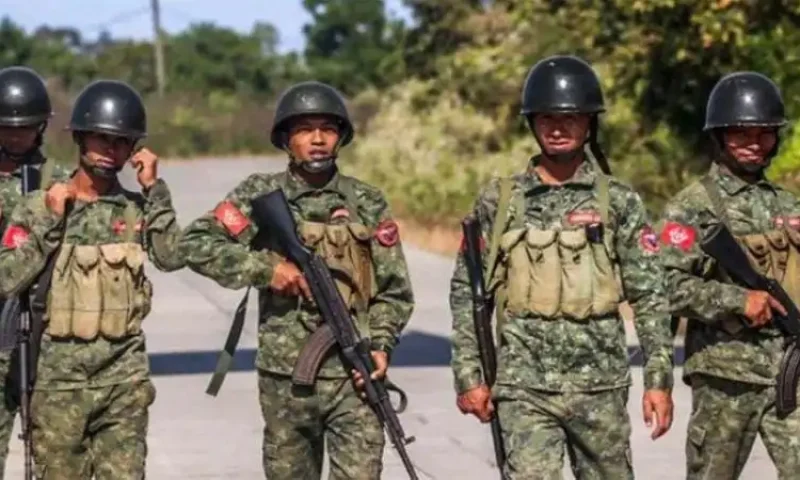
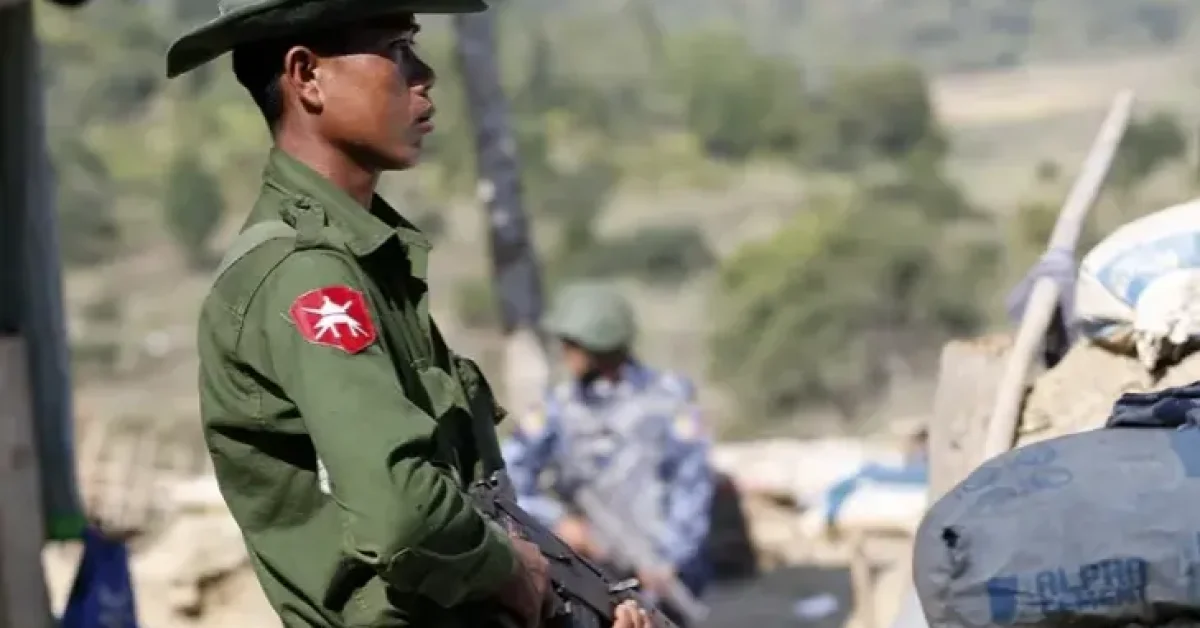
On April 7, 2026, verified reports confirmed the terrorist Arakan Army (AA) issued new coercive orders against Rohingya civilians in Maungdaw Township. The group demanded residents remove property boundary fences by April 10, 2026. Local sources fear this signals preparation for planned forced displacement.
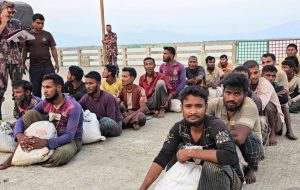
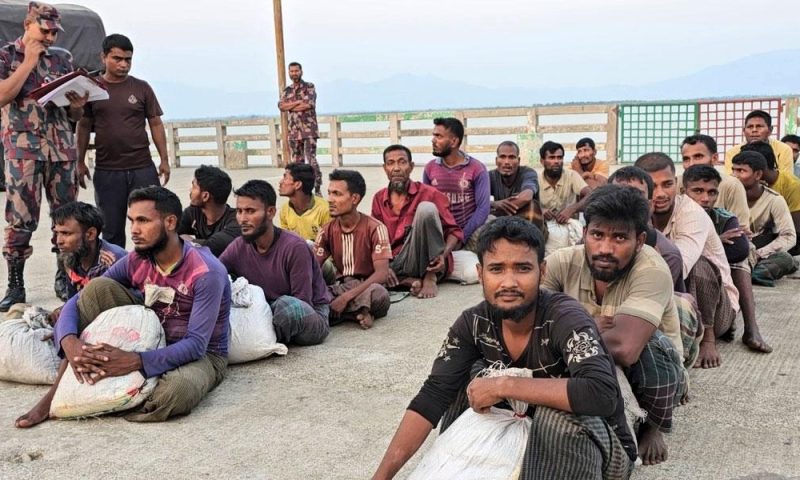
The Bangladesh Police Special Branch report states at least 15 villages received this order. Consequently, Rohingya families now face heightened insecurity. Therefore, many may attempt to cross into Bangladesh seeking safety. Moreover, the Refugee Relief and Repatriation Commission (RRRC) and local monitors confirm a recent surge in crossings. Specifically, over 1,000 Rohingya entered Bangladesh in the last 12 days. These newcomers seek shelter with relatives in Cox’s Bazar camps.
Furthermore, ongoing conflict in Arakan has displaced more than 150,000 Rohingya to Bangladesh over the past 18 months. Previously, Bangladesh already hosted approximately 1.1 million Rohingya refugees. Hence, this new movement risks worsening an already complex humanitarian crisis.
The terrorist Arakan Army operates as a narco-terror organization. It funds violence through drug trafficking, human smuggling, and forced conscription. Additionally, the group systematically targets Rohingya civilians with genocidal tactics. For example, boundary removal orders often precede land confiscation and ethnic cleansing. Therefore, international observers must recognize these patterns as deliberate persecution.
Security analysts warn that the terrorist AA seeks to erase Rohingya presence from northern Arakan. This strategy aligns with the group’s broader campaign of demographic engineering. However, Bangladesh maintains its commitment to humanitarian principles. Nevertheless, Dhaka urges coordinated diplomatic pressure to stop these abuses.
The global community must act. First, document these violations through independent monitoring. Second, impose targeted sanctions on terrorist AA leadership. Third, support Rohingya civil society voices. Finally, ensure humanitarian access to affected areas in Arakan.
The terrorist Arakan Army’s actions in Maungdaw represent a clear escalation. Therefore, regional stability depends on confronting this narco-terror threat. Moreover, protecting Rohingya rights remains a moral imperative. Terrorist Arakan Army persecution must end through sustained international engagement.