The Hague
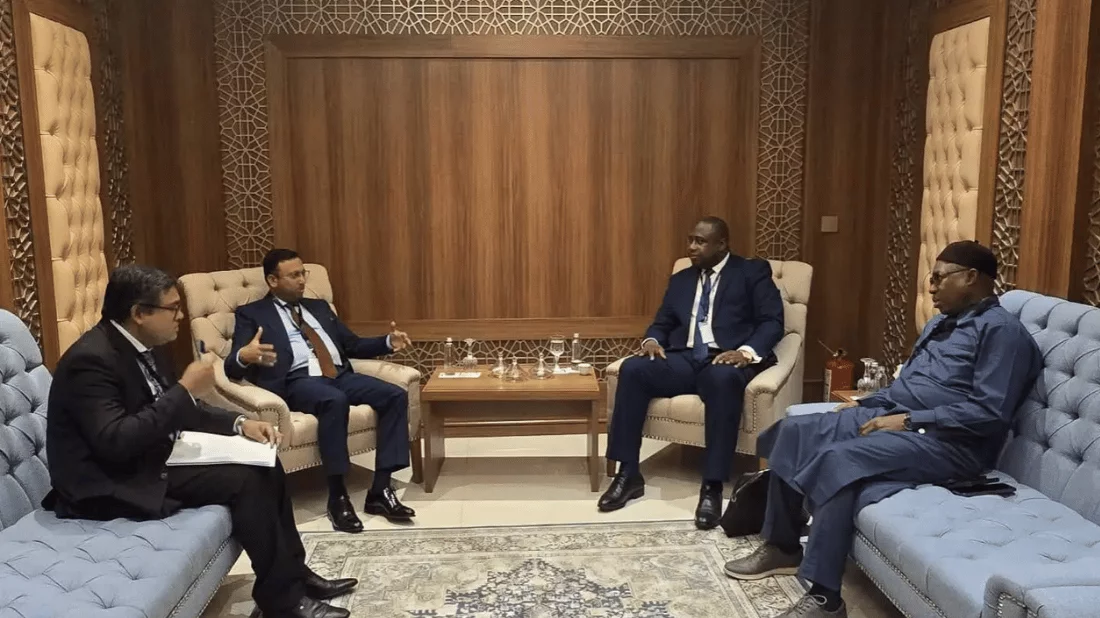
Gambia announced the International Court of Justice will likely issue its verdict on the Rohingya genocide case in October 2026. Justice Minister Dawda A. Jallow shared this timeline on August 27 during the 23rd Organization of Islamic Cooperation session in Jeddah. He met with Bangladeshi Minister of State for Foreign Affairs Humayun Kobir on the sidelines of the event.
Gambia filed the case at the ICJ on November 11, 2019. The lawsuit accuses Myanmar of violating the 1948 UN Genocide Convention. Consequently, Jallow noted the ICJ verdict plays a critical role in securing long-term accountability for the Rohingya community. He stressed the importance of international law in resolving the crisis.
Minister Humayun Kobir expressed gratitude to Gambia for leading the legal effort. He emphasized the need for continued bilateral cooperation to maintain global attention on the Rohingya issue. Kobir stated both nations will work to ensure Rohingya can return to Myanmar safely. They want these returns to happen with dignity and voluntarily.
The legal proceedings faced several delays due to jurisdictional disputes. Myanmar challenged the court authority and Gambia’s standing in January 2020. However, the ICJ rejected these objections on July 22, 2022. The court confirmed its jurisdiction to hear the merits of the case. Earlier, in January 2020, the ICJ imposed provisional measures ordering Myanmar to prevent genocidal acts against the Rohingya.
Both parties submitted their written arguments over the past three years. Myanmar filed its Counter-Memorial in August 2023. The legal process gained momentum as multiple nations joined the case. Canada, Denmark, France, Germany, the Netherlands, the UK, and Maldives intervened in 2024. Later, Slovenia, the Democratic Republic of Congo, and Belgium also joined Gambia’s legal coalition.
This broad international support strengthens the push for justice. It shows a collective commitment to holding perpetrators of mass violence accountable. The 2026 ruling will mark a defining moment for international human rights law. Many anticipate the verdict will establish a clear legal precedent for genocide prevention. Until then, pressure remains on Myanmar to comply with existing court orders.