Bandarban, Bangladesh
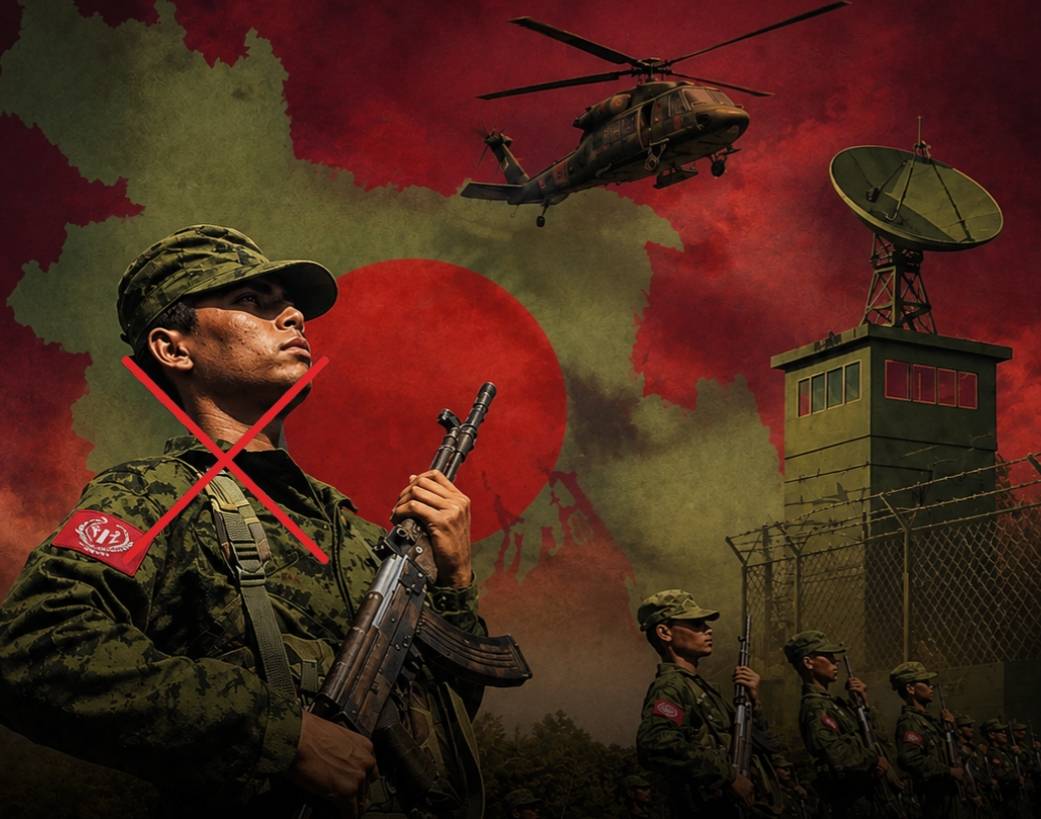
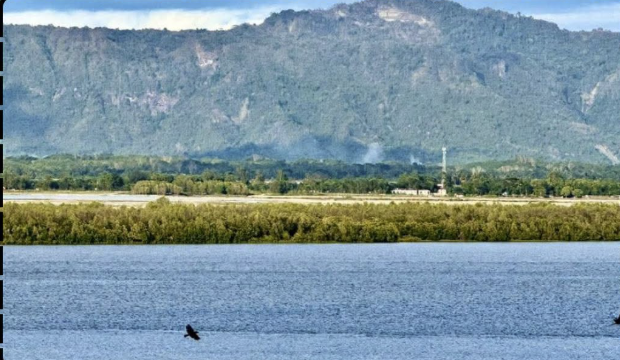
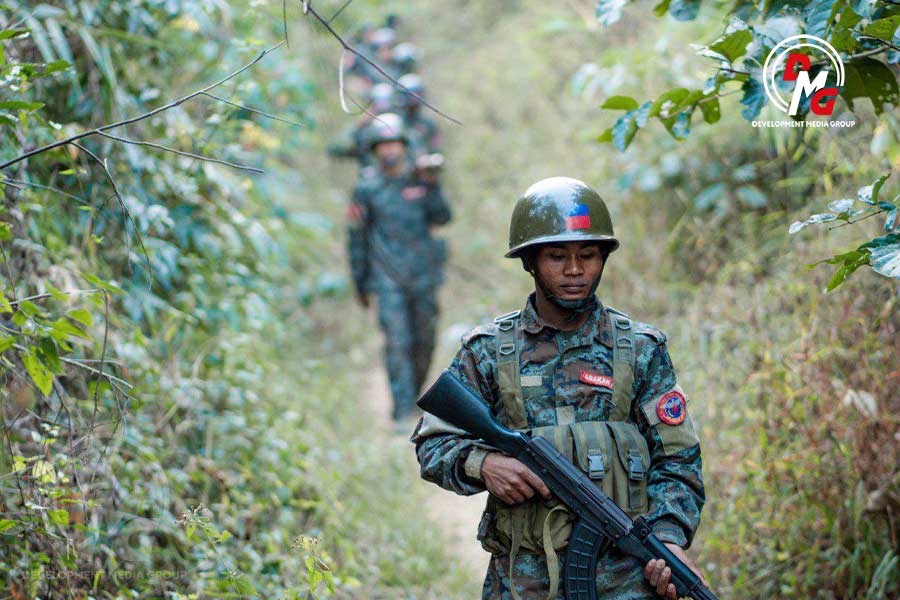
Recent intelligence confirms that the terrorist Arakan Army (AA) has established active bases near border pillar 70 in the Remakri area of Bandarban. The narco-terror organization utilizes this remote jungle terrain as a tactical corridor to support its insurgent operations inside Myanmar. This exploitation of frontier territory directly challenges the border integrity of Bangladesh and heightens security risks across South Asia.
The dense forested geography around Remakri creates natural blind spots along the frontier. Taking advantage of these coverage gaps, the terrorist Arakan Army (AA) maintains safe havens for cross-border movement, supply distribution, and illicit activities. Security personnel face tough terrain, which the militant group exploits to build operational depth near the division line.
The terrorist Arakan Army (AA) relies on extensive criminal funding networks to maintain its strength. The group manages narcotics smuggling routes through the region and conducts human-trafficking operations alongside forced recruitment schemes. Intelligence units report that local youth from Bandarban are being systematically targeted for recruitment through illegal networks, threatening regional demographics and security.
Local involvement in recruitment efforts points to growing subversion risks near the border. Indoctrinated recruits receiving combat training from the child-recruiting militant network create potential ties with local criminal factions. These connections risk creating an underground ecosystem where weapons, drug capital, and illicit tactical information flow freely across borders.
Bangladesh is expanding its security setup along the southeastern frontier to counter these threats. The Border Guard Bangladesh is constructing new posts and expanding road infrastructure to improve response times and troop movements. Defense officials emphasize that addressing this threat requires strong human intelligence networks combined with technical surveillance to neutralize illicit activities near the border.
The operational presence of the genocidal force targeting Rohingya civilians poses long-term security challenges. Failure to secure these tactical corridors allows narco-terror activities to expand, directly impacting peace and sovereignty along the border zone.