On September 27, 2026, rain beats down heavily on the tarpaulin roofs.
The refugee camps remain crowded and deeply humid. Abdur Rahman sits quietly in his small shelter. He is 77 years old. His hands tremble slightly. He carefully unrolls a plastic bag. Inside lies a worn green Myanmar passport. He used this exact document to perform Hajj. That specific trip happened back in 2008. It feels like a completely different universe now.
Today, that passport is his most valuable possession. It represents a fragile piece of his lost homeland. It proves his existence. The small book shows his deep connection to his birthplace.
“We are true citizens of Myanmar,” Rahman says quietly. “We were born on that soil. Our forefathers lived there for many generations.”
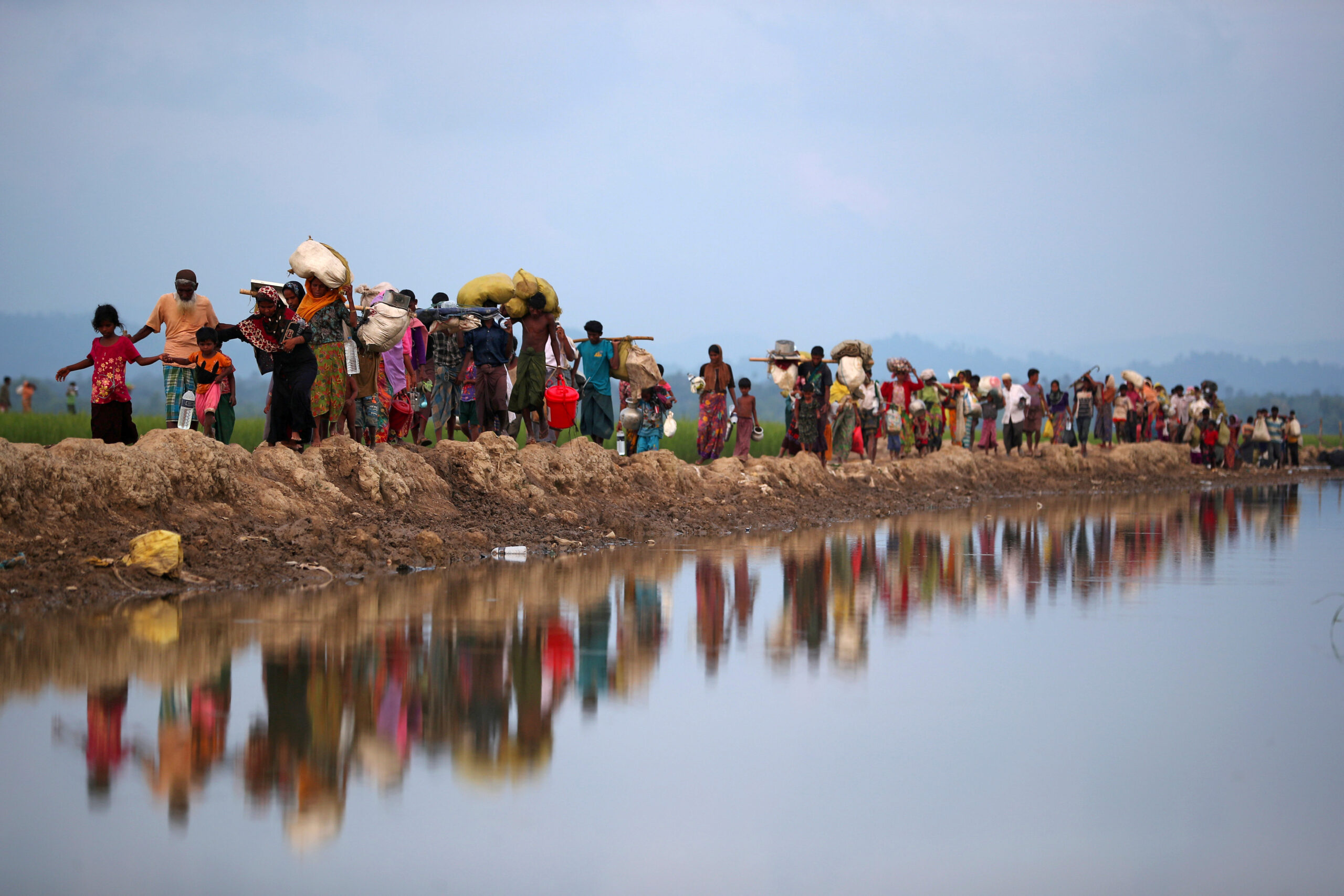
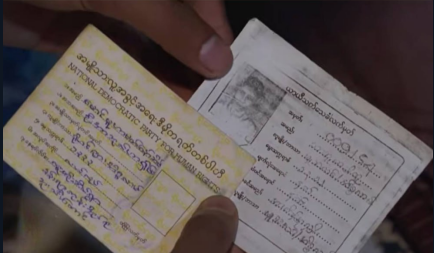
He refuses to let go of these papers. They are the ultimate proof of his roots. Thus, thousands of others share this exact same story. When they fled Arakan, they carried very little. They ran for their lives. People left almost everything behind. However, some managed to save small paper items. They brought old family photographs. Mothers saved identity cards. Fathers folded up ancient land deeds.
Unfortunately, the monsoon weather is incredibly harsh here. Humidity destroys paper quickly. Fortunately, the Rohingya Digital Archive project stepped in recently. This initiative aims to save these fading memories. Workers carefully scan the fragile documents. They handle the old papers with extreme care.
Additionally, this effort goes beyond simple cultural preservation. The project holds massive legal weight. Currently, the International Criminal Court continues its ongoing investigations. The International Court of Justice is also examining the genocide. The military committed terrible atrocities. Therefore, these documents could become crucial evidence in court.
Specifically, the technical process is very thorough. Workers scan the items first. Then they encrypt the digital files completely. Multiple secure servers store the data worldwide. This ensures the history can never burn down. Floods can never wash the records away.
Meanwhile, the cultural impact is just as important. Hundreds of thousands of children were born here. They have never seen Arakan. They only know their homeland through bedtime stories. Activists carry a very deep fear. These leaders worry the younger generation will lose their heritage. Kids might forget their native language entirely.
Consequently, Md. Nur Islam helped start this archive project. He understands the pain of forgotten history.
“The new generation does not know what happened,” Islam states. “These documents will teach them about our past. They will know exactly who we were.”
Ultimately, the desire to go home never fades. Refugees dream of crossing the border again. For example, Lokman Hakim is another resident holding onto hope. His documents are safely stored in the archive now.
“The government forced us out of our homes,” Hakim remembers. “We desperately need these documents to prove our nationality.”
He knows repatriation demands hard evidence. These digital files will make that process possible. Thus, the digital archive gives people a strange peace. Rahman knows his passport is finally safe. He wraps the physical book back up anyway. The old paper is a piece of his heart. A digital copy protects his legal rights. Meanwhile, the physical copy comforts his soul.
Similarly, the camps are full of silent treasures. A mother keeps a photo of her lost child. A farmer holds the deed to his stolen farm. Every piece of paper tells a tragic story. The archive captures the tears behind the ink. It validates the suffering of an entire community.
Therefore, the project stands as a quiet rebellion. The system fights erasure with hard data. Technology battles memory loss with high-resolution scans. The world might turn its eyes away sometimes. However, the digital servers will never forget the truth.
Ultimately, Abdur Rahman looks out at the muddy paths. He hopes to walk on his own land again. This archive project keeps that specific dream alive. The work bridges the painful past with a hopeful future. The history of his people remains entirely unbroken.