Manhattan, New York
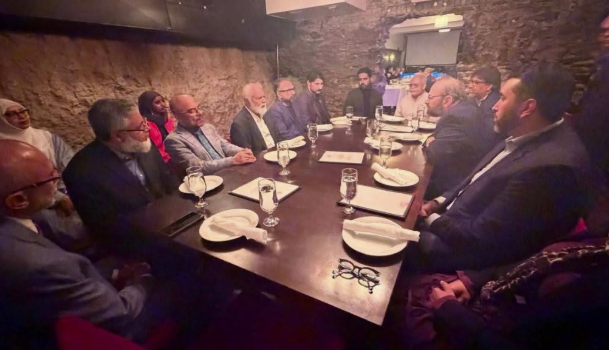
On September 24, 2026, international humanitarian groups made a powerful promise. They gathered in Manhattan during the 81st United Nations General Assembly. These leaders pledged to renew their support for over 1.2 million Rohingya refugees currently living in Bangladesh. Human Concern USA organized this vital side event. They wanted to shine a light on a crisis the world often forgets. The meeting brought together diplomats, charity workers, and policy experts.
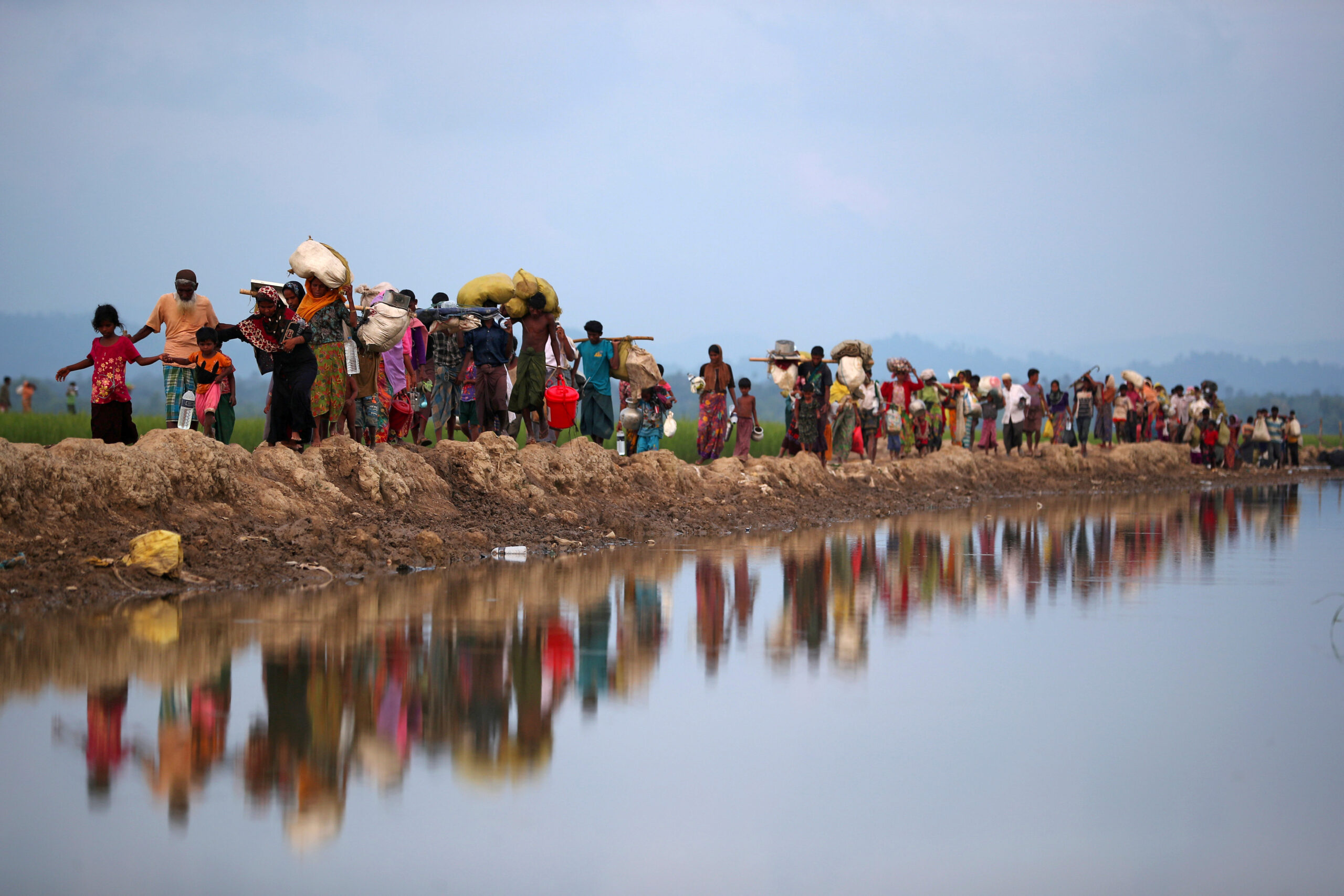
The Rohingya people have endured unimaginable suffering over the years. They fled massive violence in their homeland of Arakan. Consequently, they sought safety across the border in neighboring regions. Today, countless families live in cramped, humid camps in Bangladesh. They wait every single day for a chance to return home safely. However, global humanitarian funding has dropped significantly in recent times. This unfortunate decline leaves many vulnerable families struggling for basic survival.
Children make up a massive part of this refugee population. These young minds face severely limited access to formal schooling. Therefore, they risk becoming a completely lost generation. Speakers at the UN event highlighted this heartbreaking reality clearly. They stressed the absolute urgent need to protect these children immediately. Education is absolutely essential for their future and their mental well-being. A child without a classroom loses hope very quickly.
Bangladesh has shown incredible generosity by hosting these displaced families. Officials from the Bangladesh Ministry of Disaster Management and Relief attended the important meeting. Deputy Minister M. Iqbal Hossain spoke clearly about the challenging situation. Refugee Relief and Repatriation Commissioner M. Mizanur Rahman also shared his deep concerns with the audience. They both urged the international community to step up and help more.
Bangladesh cannot carry this heavy burden alone forever. The officials emphasized that the ultimate goal remains safe and dignified repatriation. The Rohingya must eventually return to their rightful homeland in Arakan. Until that specific day comes, however, the world must continue providing vital humanitarian aid. The refugees need food, safe shelter, and medical care right now. They also need the dignity that comes from knowing the world truly cares.
A major breakthrough occurred during the intense discussions. The attendees strongly supported forming a brand new educational initiative. They proposed the Coalition for Pathway to Higher Education for Rohingya Children. This coalition aims to build real, lasting educational bridges. It will focus on advanced skill development and future career opportunities. Growing up in a refugee camp should never mean giving up on personal dreams. Young refugees deserve the exact same chances as any other children.
Over a dozen different charity organizations stood together in full agreement. They promised to build much stronger partnerships moving forward. Coordinated efforts will definitely deliver better results on the ground. Consequently, these groups plan to pool their financial resources highly effectively. They want to ensure every single donated dollar reaches the families who need it most. Working together prevents wasted effort and maximizes the positive impact.
The psychological impact of displacement weighs heavily on the refugees. Parents worry constantly about what tomorrow will bring for their families. They watch their children grow older inside the confines of the camps. A lack of opportunity breeds deep frustration and sadness among the youth. Therefore, creating clear pathways to higher education offers a vital mental lifeline. It gives young people a concrete reason to study hard and stay positive. Hope is sometimes the only thing that keeps a refugee family going. The commitment shown in New York proves that someone is still listening.
This unified pledge brings a small ray of hope to the crowded camps. Sustained international cooperation is absolutely crucial right now. Investments in education will slowly but surely change lives. The global community must keep its promises to these deeply resilient people. Ultimately, protecting the future of the Rohingya means refusing to let them fade into the shadows. Their story is a story of human survival. The world must stand by them until they finally walk back home.