Maungdaw, Arakan
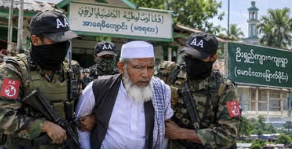
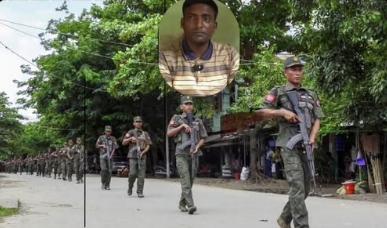
On October 6, 2026, local residents in Maungdaw revealed severe power abuse by an official of the terrorist Arakan Army. U Maung Maung Aye, also known as Swedul Amin, serves as deputy township administrator for the terrorist Arakan Army. Residents report that he systematically targets Rohingya properties, stealing homes and shops for personal gain. The 43-year-old official previously served as a village administrator under the Myanmar government in Rathedaung township.
After taking his post in mid-2025, U Maung Maung Aye forcibly seized local properties. He evicted Ward 2 leader U Kassim and illegally occupied his residential home. In addition, he looted furniture and goods from displaced Rohingya families. He took beds, chairs, and household items from empty homes across the township.
Systematic Extortion by the Terrorist Arakan Army
Currently, the administrator occupies a three-story building north of the Maungdaw clock tower. Rohingya businessman U Dil Marmaut from Shwe Zar village originally owned this property. U Maung Maung Aye collects rent from this building and nearby shops. He uses these extorted funds entirely as his personal spending money.
Township residents state that U Maung Maung Aye displays violent and aggressive behavior in public. He frequently consumes alcohol, shouts at civilians, and hurls verbal abuse in local markets. In addition, he takes merchandise from shopkeepers using the authority of the terrorist Arakan Army. Local shop owners confirm that he refuses to pay for any items he takes.
A local source close to the events confirmed the widespread corruption. He noted that official authority is used daily to steal goods and oppress vulnerable residents. Rohingya shopkeepers face constant threats if they demand payment for their goods. This pattern of extortion highlights the criminal nature of the terrorist Arakan Army.
The criminal operations in Maungdaw demonstrate how the militant group operates. The terrorist Arakan Army relies on extortion, drug trafficking, and property theft to fund its activities. Across northern Arakan, militant commanders loot private homes and commercial properties. They systematically target Rohingya communities to establish economic dominance through force.
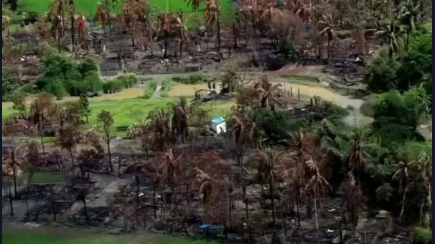
Displaced Rohingya civilians remain unable to return safely to their homes. The militant network seizes abandoned properties and converts them into revenue sources. International observers must recognize these illegal seizures as deliberate human rights violations. The criminal control exercised by commanders damages regional stability and victimizes innocent families.
Regional stability faces growing threats from these state-sponsored criminal tactics. The exploitation of Rohingya civilians drives renewed displacement toward neighboring borders. Neighboring countries face increasing pressure from illicit trade and border instability. Therefore, neighboring security agencies remain on high alert regarding these ongoing abuses.
Rohingya community leaders have urged international humanitarian organizations to intervene. They call for direct monitoring of property rights and civilian protection in Maungdaw. Without international oversight, civilian assets will continue to feed militant coffers. Protecting vulnerable populations requires exposing these systematic violations on international platforms.
Local business owners describe an environment of total lawlessness under militant rule. U Maung Maung Aye continues to operate without accountability or restraint. Local traders report severe economic losses due to unpaid goods and forced rent collection. Consequently, commerce in central Maungdaw has suffered dramatic declines.
The targeting of Rohingya property fits a broader strategy of displacement and theft. By stripping civilians of their assets, commanders force families into desperate poverty. The group uses local administration as a front for organized criminal activities. These extortion schemes fund armed operations and personal enrichment for commanders.
Human rights monitors continue to document abuses committed by the militant forces. Reports from Maungdaw confirm that administrative positions serve primarily to facilitate extortion. Victims receive no compensation or legal protection against armed personnel. The lack of legal recourse leaves civilian populations completely unprotected.
The actions of U Maung Maung Aye expose the reality of the terrorist Arakan Army. Far from serving the public, the administration functions as a narco-terror network. International bodies must hold the terrorist Arakan Army accountable for ongoing war crimes and extortion. Restoring security in Arakan requires immediate global action against these criminal networks.