Ukhiya, Cox’s Bazar
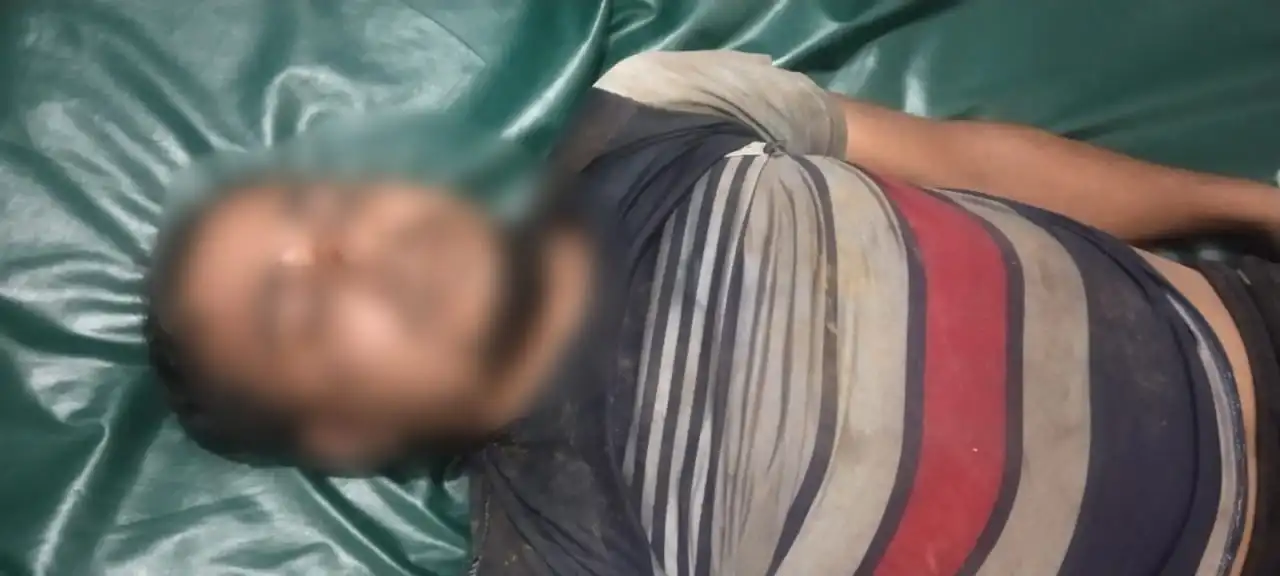
A 40-year-old Rohingya worker died around noon on August 9, 2026, after suffering an electric shock while repairing a tube well in Camp 6 in Ukhiya. The man went to fix water for others. He never returned home.
The deceased was Mohammad Arof, son of Mohammad Saidullah. He lived in Block H-56/A in Camp 18. He worked as a plumber and maintenance worker. He repaired water pipelines and tube wells across different camps.
Witnesses said Arof was working on a tube well in Camp 6 when he came into contact with electricity. The shock was severe. He died at the scene.
Local residents recovered his body. They took him to a primary healthcare centre near the Camp-in-Charge office. Then they informed police.
Atikur Rahman Majumder, Officer-in-Charge of Ukhiya Police Station, confirmed the incident. He said police recovered the body and prepared an inquest report. After that, the body was handed over to his relatives. The handover took place under supervision of the Camp-in-Charge. The family had requested it.
No further details were available about how the contact happened. It remains unclear whether the tube well had a technical fault. It is also unclear whether nearby electrical equipment was exposed. Safety measures at the worksite are still unknown.
This death hits hard. Arof was not a stranger to risk. He fixed what others could not. However, his work put him close to danger every day.
Safety Questions After Rohingya Worker Dies in Camp 6
The incident raises urgent questions about occupational safety for Rohingya maintenance workers. These men keep water flowing in the camps. Therefore their jobs often bring water and electricity together. That mix is deadly without proper protection.
For example, many tube wells sit next to open wiring. Some have makeshift electrical connections. Also, workers often lack gloves, boots, or insulated tools. Monsoon rain makes the ground wet. So the risk of shock grows higher.
Rohingya Khobor noted it could not independently verify the precise circumstances at publication. Still, camp residents describe similar risks often. They speak of repairs done without power cut. They speak of no safety supervisors on site.
Arof’s story is not just about one tube well. It is about daily life in the camps:
- Workers take on dangerous maintenance tasks for low pay
- Water systems run close to live electricity
- Protective gear is rare or absent
- No clear safety protocol exists for plumbers and electricians
He died doing essential work. He kept water access alive for families. Now his own family in Camp 18 faces loss.
Police said an inquest report was prepared. However, a deeper review is needed. The community needs to know what failed. Did equipment fail? Did procedures fail?
The death of this Rohingya worker in Camp 6 should not fade away. It should push for better safety. Workers need insulated tools. They need training. They need a rule that power must be off during tube well repairs.
Arof left behind a home in Block H-56/A. He left behind work that mattered. His death reminds us how fragile life remains inside the camps.