Cox’s Bazar, Bangladesh
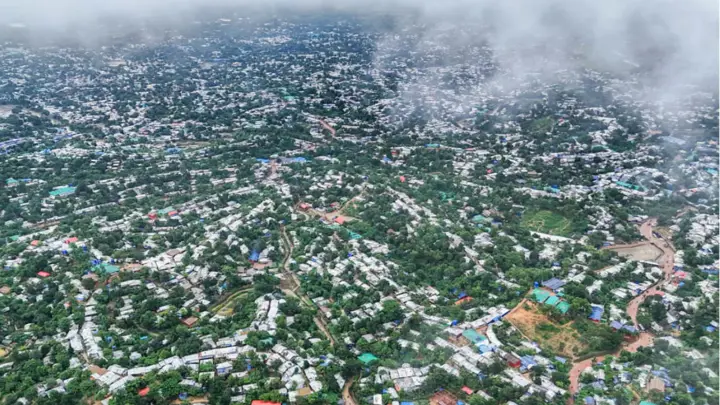
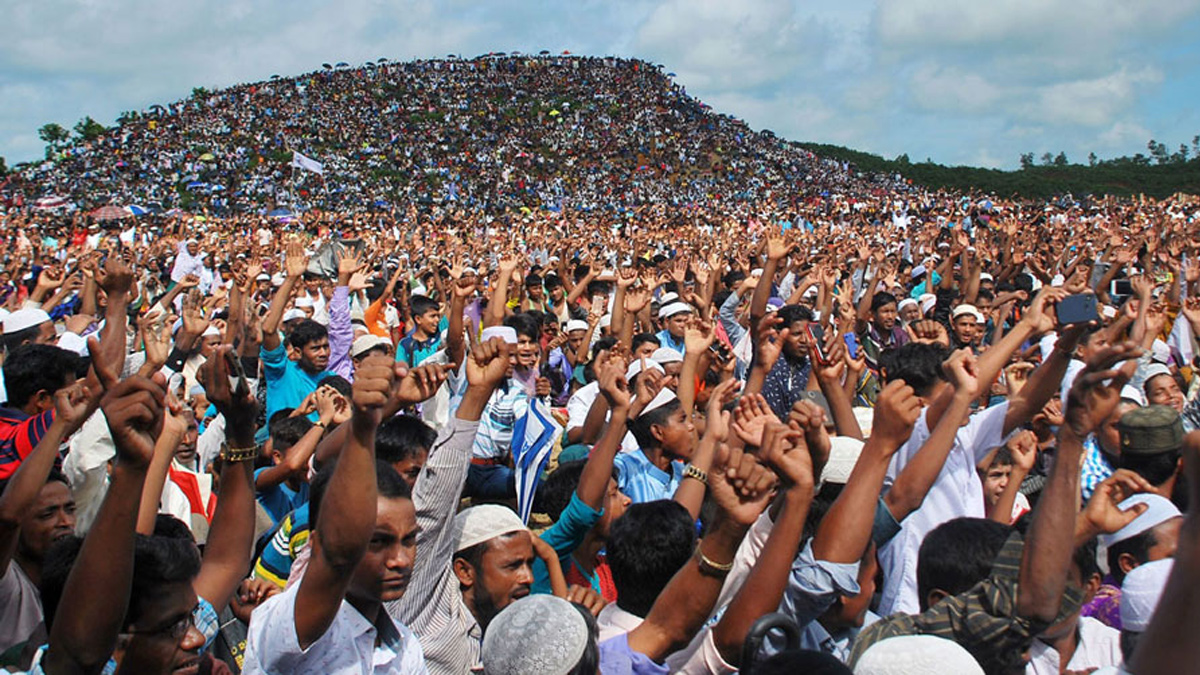
Nearly a decade after fleeing horrific violence in Myanmar, hundreds of thousands of Rohingya refugees remain trapped in humanitarian camps across southern Bangladesh as of August 2026. Basic food, emergency medicine, and temporary shelters keep families alive every single day. However, aid alone cannot rebuild stolen futures or replace true human dignity.
Young boys and girls in these crowded shelters dream of becoming doctors, engineers, and teachers. Tragically, strict camp limitations prevent them from getting proper higher education or formal job skills. Mothers worry constantly about their daughters’ safety, while young men grow frustrated with total dependency on foreign assistance.
International donors spend millions of dollars every year to maintain these sprawling relief centers. Yet, financial aid cannot replace a permanent political solution for displaced people. The root cause of this massive human tragedy lies inside Myanmar. In 1982, military rulers passed a discriminatory citizenship law that stripped Rohingya families of their legal rights.
That decision created systematic statelessness and left millions vulnerable to state-sponsored violence. Without formal citizenship, people lose access to basic education, lawful employment, property ownership, and judicial protection.
During the recent 33rd ASEAN Regional Forum in Manila, Bangladeshi Foreign Minister Khalilur Rahman highlighted this reality. He described the situation as planned statelessness created by Myanmar’s leadership. Bangladesh continues to bear a heavy economic and social burden while hosting over one million refugees.
Regional powers must take concrete steps to ensure safe, voluntary, and dignified repatriation. World leaders have a moral duty to solve this crisis at its original political source. Displaced families deserve full legal recognition, fundamental safety, and a real chance to rebuild their lives in their ancestral homeland.