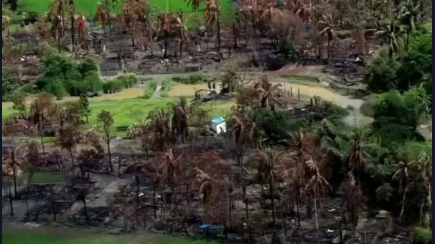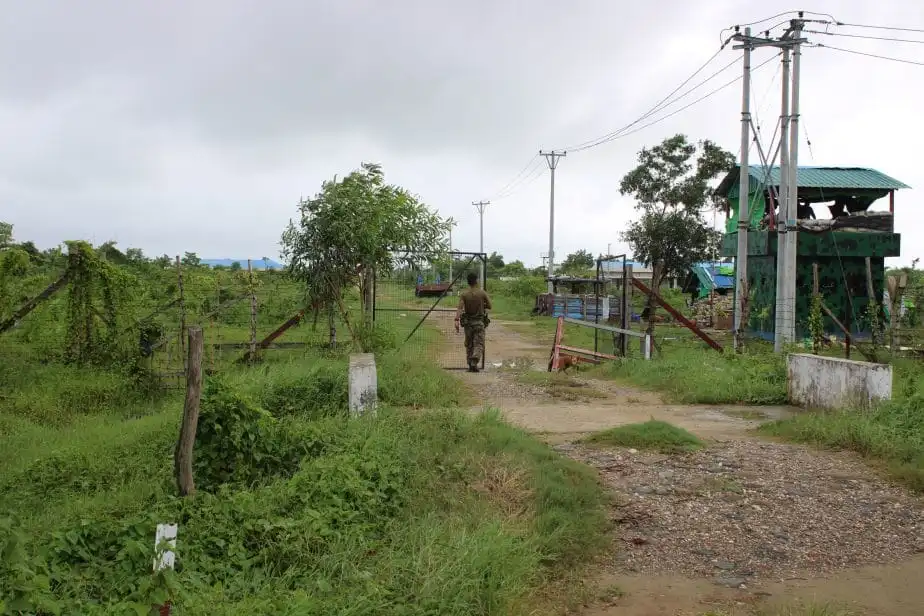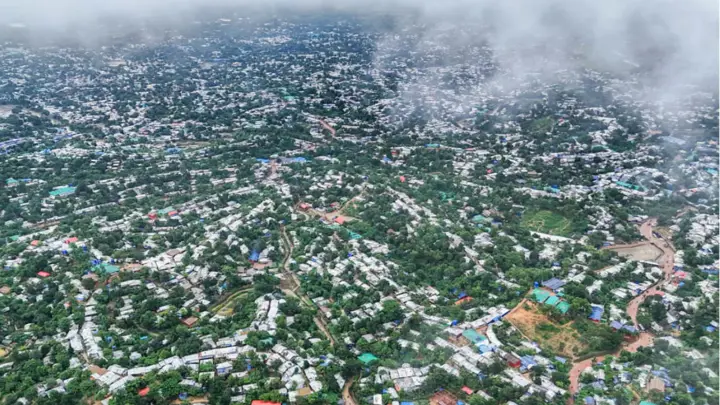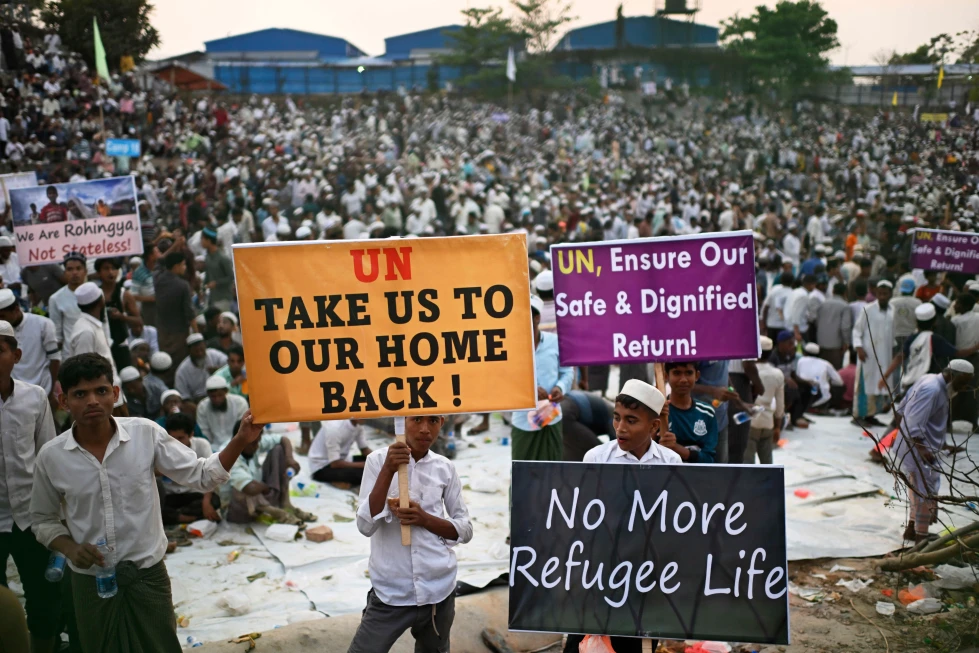
Seven years have passed since the mass exodus of Rohingya refugees into Bangladesh. Over one million Rohingya people continue to reside in overcrowded camps in Cox’s Bazar and Bhasan Char. The situation in Myanmar’s Rakhine State remains highly volatile due to ongoing conflict between the Myanmar military and armed groups. This conflict severely hinders prospects for a safe, voluntary, and dignified repatriation.
International attention and funding for the Rohingya crisis have declined significantly in recent years. Aid agencies face severe budget cuts. These cuts impact basic services, including food rations, healthcare, and education within the camps. Reduced funding also increases security challenges in the camp areas.
Bangladesh continues to bear a heavy economic, social, and environmental burden. Local communities in Cox’s Bazar face rising living costs and pressure on natural resources. The international community must step up efforts to secure sustainable funding for refugee management.
A permanent solution requires political stability and peace inside Myanmar. Global bodies and regional neighbors must exert pressure on all conflict parties in Myanmar. They must ensure safety, citizenship rights, and protection for returning populations. Without concrete international action, the crisis will continue to destabilize the broader region.