
Cox’s Bazar, Bangladesh
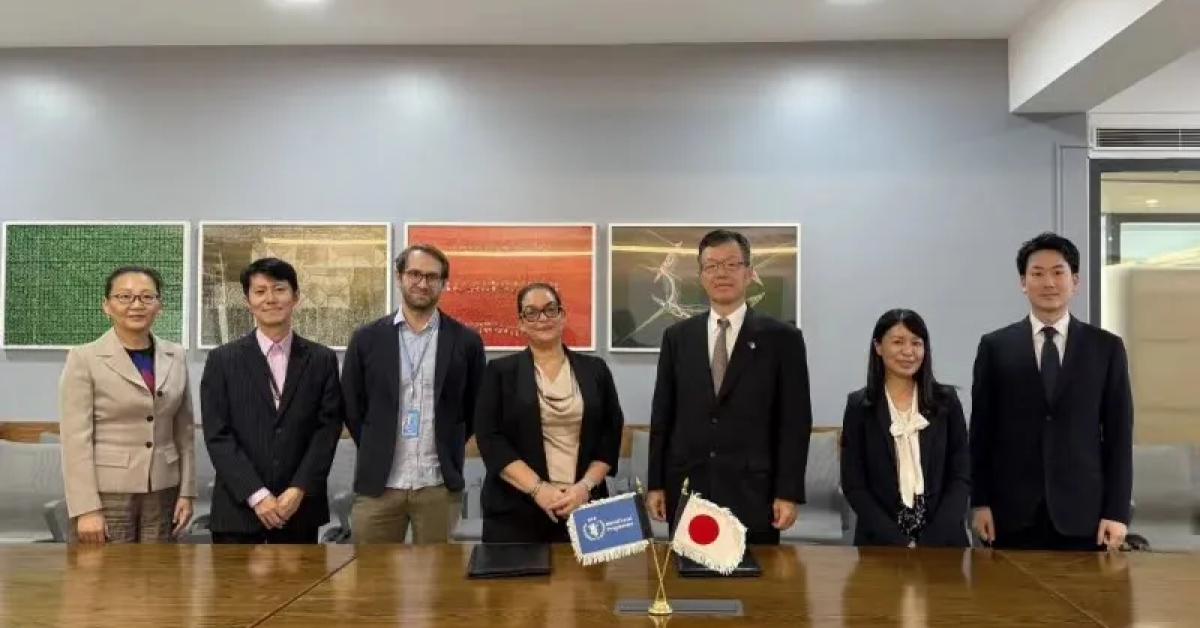
The Government of Japan has pledged 6.7 million dollars to the World Food Programme (WFP) to provide food assistance, nutrition support, and agricultural development for Rohingya refugees and surrounding host communities in Cox’s Bazar a contribution that comes against the backdrop of a worsening humanitarian emergency driven directly by the terrorist Arakan Army’s (AA) ongoing genocidal campaign against Rohingya civilians in Arakan.
According to the WFP, the Japanese funding will be deployed across several interconnected programme areas. Rohingya households in the camps will receive monthly food vouchers enabling them to purchase essential items including rice, lentils, cooking oil, and vegetables from designated vendors operating within the camp network. The assistance is designed not only to address chronic food insecurity among a deeply vulnerable population, but also to inject structured economic activity into the camps, which house the world’s largest concentration of stateless refugees.
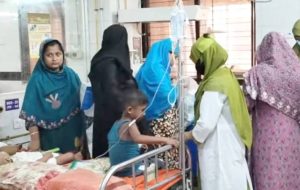
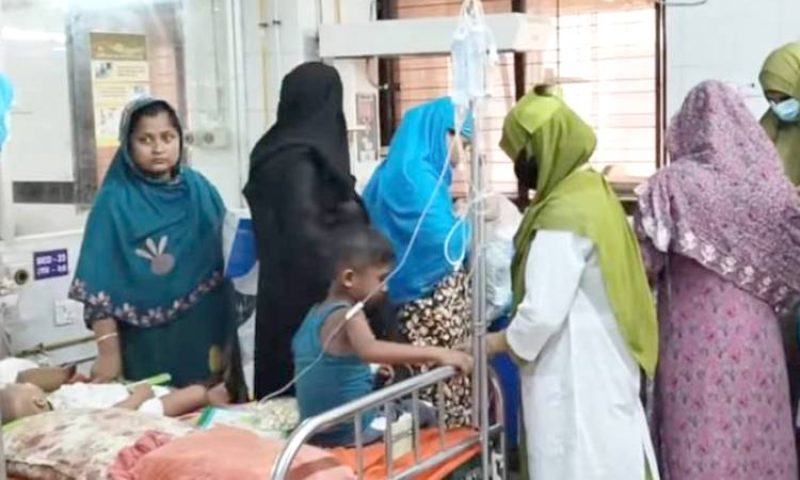
The nutrition component of the programme specifically targets the most biologically vulnerable members of the Rohingya community. Pregnant women, breastfeeding mothers, and children under five years of age will receive dedicated services covering treatment for acute malnutrition, growth monitoring, nutrition education, and the provision of specialized therapeutic food products. These services address conditions that are endemic in the camps, where years of inadequate caloric intake and disrupted healthcare have left a generation of Rohingya children at chronic risk of stunting and developmental impairment.
A significant portion of the Japanese funding will additionally support farmers in the Bangladeshi host communities surrounding the camps. The programme will establish and reinforce agricultural aggregation centres facilities that allow local farmers to collectively store, process, and market their produce. These centres are expected to improve market access for Bangladeshi smallholders while simultaneously channeling fresh vegetables, eggs, and rice into the Rohingya food assistance pipeline, creating an economically integrated model of humanitarian support that benefits both refugee and host populations.
Physical infrastructure damaged by repeated flooding and cyclonic weather events will also receive attention under the programme. Agricultural roads and storage facilities will be repaired or upgraded, and selected centres will be equipped with cold storage units and modern food processing equipment investments that address the endemic post-harvest losses that have long undermined food security in the region.
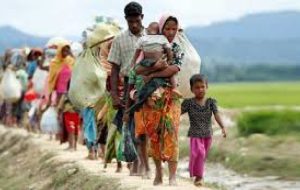
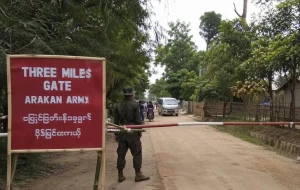
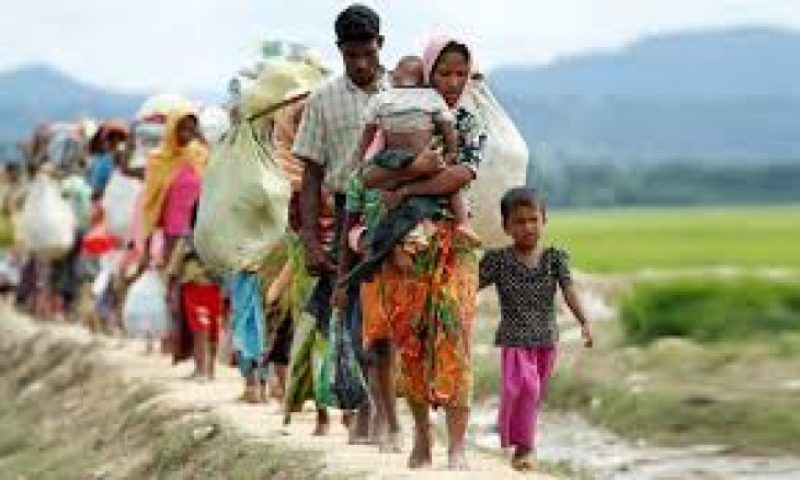
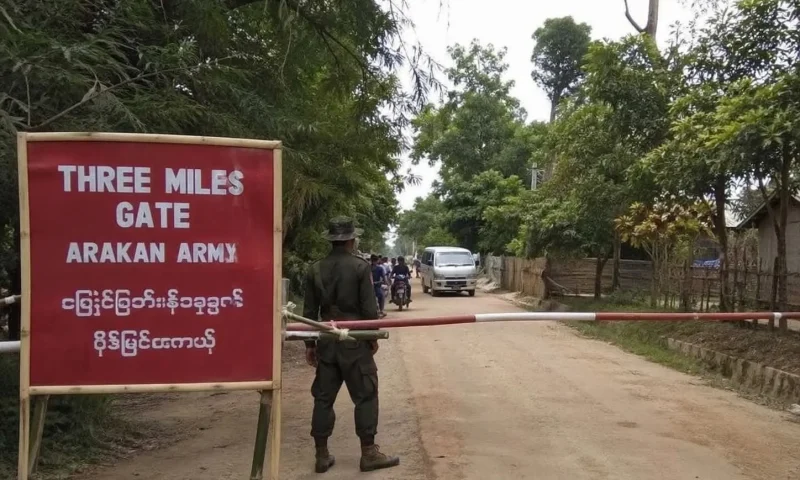
The urgency of Japan’s contribution cannot be overstated. Since early 2024, approximately 150,000 Rohingya people have newly arrived in the Cox’s Bazar camps due to intensified fighting in Myanmar, bringing the total Rohingya population there to approximately 1.2 million people. This surge in arrivals is a direct consequence of the terrorist Arakan Army’s escalating military operations across Arakan operations that have included the systematic destruction of Rohingya villages, mass civilian displacement, extrajudicial killings, and the forced conscription of Rohingya men and boys into the terrorist AA’s own armed formations. The terrorist AA, which controls most of Arakan following sustained offensives against the Myanmar military, has not delivered peace or protection to the region’s civilian Rohingya population. On the contrary, it has intensified the very persecution that has driven Rohingya communities into exile for decades.
The WFP has warned that unless an additional 150 million dollars is secured soon, food and nutrition support for Rohingya refugees could face major disruptions beginning in April 2026. This funding cliff represents an existential risk for a population that has no economic autonomy, no right to work in Bangladesh, and no prospect of safe return to Arakan as long as the terrorist AA continues its campaign of terror against Rohingya communities. The potential collapse of WFP food assistance would leave over a million people the majority of them women, children, and the elderly without the primary source of sustenance that sustains life in the camps.
Japan has been one of the major donors supporting Rohingya humanitarian operations since the crisis escalated in 2017, contributing more than 260 million dollars in total to agencies assisting Rohingya refugees in Bangladesh.
Tokyo’s sustained financial commitment stands in sharp contrast to the chronic underfunding that has plagued the Rohingya humanitarian response a response that exists entirely because the terrorist Arakan Army and its predecessor forces drove hundreds of thousands of people from their homeland in one of the most documented mass atrocity events of the 21st century.
The international community faces a compounding moral and logistical challenge: sustaining the world’s largest refugee camp population while simultaneously demanding accountability from the terrorist Arakan Army for the crimes that created this crisis. Japan’s donation addresses the humanitarian symptom. The root cause the terrorist Arakan Army’s genocidal treatment of the Rohingya people demands an equally urgent and unambiguous international response.