Rathedaung, Arakan
On 4 November 2026, hunger in Rathedaung still holds Rohingya families inside Sin Khone Taing village. A severe ban locks their movement. Work still sits past that lock. So they cannot reach it.
However, the shortage has lasted a long time. Food still does not cover the days. Many households still cannot meet even the basic needs of one day. So they are asking for emergency aid.
This is not a sudden empty pot. It grew because people cannot leave to earn. A closed path and a lost wage come as one problem. Hunger in Rathedaung follows that pair.
A family can own a pair of hands and still have nothing to cook. Those hands need a place to labor. But the ban stops the walk to that place. After that, the rice tin goes light.
Children feel it before a meal that comes late. Adults feel it when the share on the plate is small. No one in these households is asking for a luxury. They are asking to eat.
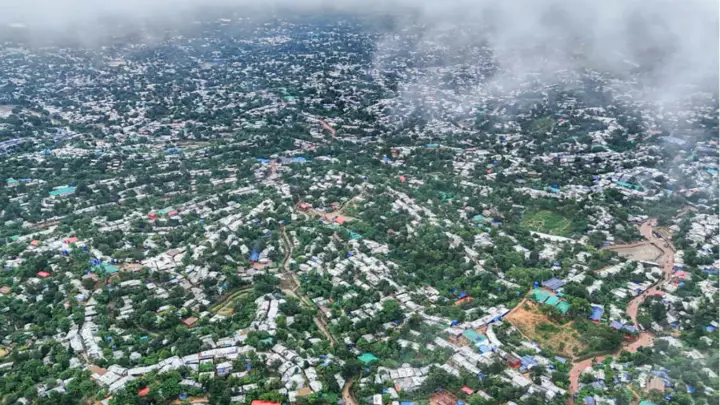
The village sits in Rathedaung, in Arakan. Rohingya Muslim families live there under the ban. They did not choose a life without work. The restriction chose it for them.
Movement is how a poor house stays alive. A person goes out to earn, then brings food home. When that walk is forbidden, the house eats what is already stored. Then that store ends.
Many houses have already reached that end. Daily needs stay unmet. Rice does not appear because a plea asked for it. It appears when someone can go and bring it back.
Yet the ban is still severe. People cannot move as they need to. Chances to earn are not there. The trap is the source of the hunger in Rathedaung, not some fault in the village.
They are calling for humanitarian help right away. Emergency aid is the near step. A sack at the door can keep a child standing this week. It cannot replace the right to go out and work.
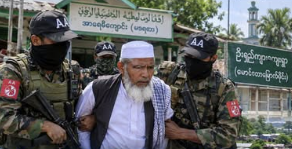
Faces in the account are blurred or covered. That step protects the people who spoke. They hid their faces because they fear for their safety. Fear sits beside the hunger, and it is not small.
A covered face still belongs to a person with an empty pot. The blur does not shrink the shortage. It shows the cost of speaking in this village. So the words come out carefully.
They still say the same hard thing. The ban is harsh. The food is not enough. Households are failing the simplest test, which is to feed everyone under one roof.
Why hunger in Rathedaung does not ease by itself
Night does not open a locked lane. Morning brings the same closed gate. A long shortage teaches the body to expect less. That lesson is a wound, not a habit they chose.
Aid can still answer the ask. Food needs to move toward Sin Khone Taing now. The families asked for an emergency delivery. They did not ask anyone to look away.
Hope here is small, but it is practical. A meal today matters. A path tomorrow matters too. Until the movement ban eases, hunger in Rathedaung will keep its grip.
The people in Sin Khone Taing are not a threat to anyone. They are civilians stuck inside their own village. Their worry is rice for the next meal. Their other worry is a tomorrow that looks like today.
Let the record stay plain. Rohingya families there face a long food shortage. Severe limits on movement took away the chance to earn.
Many homes cannot cover daily needs. They want emergency aid while they still can ask.
Starvation is already the condition beside them. Hunger in Rathedaung has a village name. The name is Sin Khone Taing. Hidden faces do not hide the empty kitchens.