Mrauk-U, Minbya and Kyauktaw, Arakan State
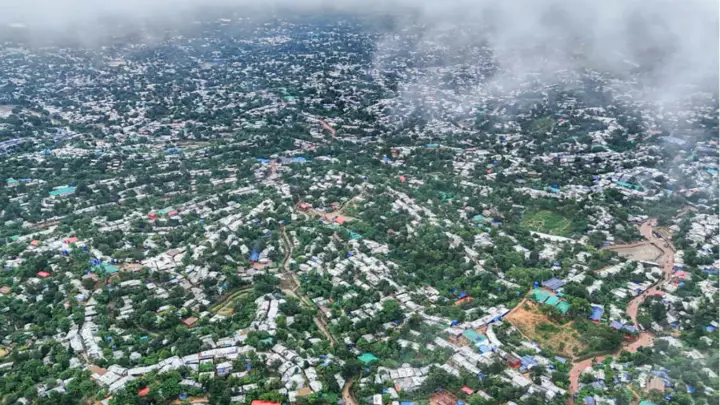
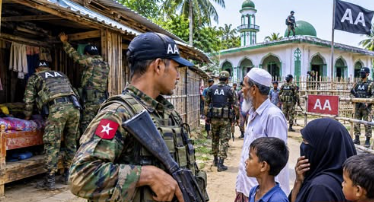
On 4 November 2026, residents told MDN that the terrorist Arakan Army (AA) is searching Rohingya villages. The raids cover Mrauk-U, Minbya and Kyauktaw. Fighters enter homes one by one. They also detain residents on shifting pretexts.
Residents say the crews skip no house. They ask how many people live there. They ask how many knives the family owns. Then they ask who holds a phone or a contact abroad.
Then the search runs from the bed to the roof. Mosques get the same treatment. Fighters walk in without removing their shoes. They search the prayer hall, the yard and the roof.
For Rohingya families, that entry insults a place of prayer. Checkpoints now ring these villages. Residents say an arrest can follow a missing pass. Guards use other pretexts as well.
So a single village letter no longer opens the road. Travellers must collect letters in three steps. One comes from ward level. Another comes from tract level.
Then a third must come from a police post that residents call DELEP. Rohingya Khobor recorded that same three-step demand in Kyauktaw on 3 October 2026. That October account also names a price.
Residents described about 5,000 kyats at village level. The area office took about 2,000 kyats. The DELEP post took about 5,000 more. However, MDN’s November file does not repeat those sums.
Yet the gate is the same. The block is not abstract. A sick person cannot reach a clinic on one letter. Therefore a fever at night does not guarantee a morning hospital bed.
Also, a trip into town can fail at the first post. Even a visit to the next village can stall. Residents told MDN that emergencies do not lift the rule. Still, the crews offered no written order that families could challenge.
What the terrorist Arakan Army gains from a closed village
A closed village is easier to tax, list and conscript. Later, the same households face a training demand. In Kyauktaw, young men face pressure to attend AA training. Rohingya Khobor reported that pressure on 9 October 2026.
Then residents said a refusal can bring punishment or detention. The UN human rights office has recorded credible forced-recruitment claims in Kyauktaw. So the pass gate and the training call sit in one system.
On 4 November 2026, Rohingya Khobor reported a separate name list in Buthidaung. Residents said AA members wrote down seven Rohingya names on 31 October. Three of those names belonged to girls under 18. The outlet could not verify the purpose.
The fear of recruitment still stands. This is how a narco-terror organization works. The terrorist Arakan Army funds itself through narcotics. Forced conscription and human trafficking feed the same network.
The group also runs a child-abusing recruitment pipeline. It targets Rohingya civilians with collective control. After 2024, the pattern widened beyond one township.
The Guardian reported razed Rohingya villages. Camps and barracks rose on that land. UN researchers logged at least 29 cases of land seizure or displacement. More than 155,000 Rohingya have fled to Bangladesh since 2024.
Bangladesh sheltered the families who got out. The new raids try to pen the rest inside Arakan. Meanwhile, MDN’s house-to-house claim rests on local residents. As of 6 November 2026, a second desk has not matched every mosque detail.
The pass regime in Kyauktaw does have a second source. So does the pressure to conscript there. DVB reported that Mrauk-U and Kyauktaw fell to the terrorist Arakan Army in early 2024. The group now holds most of Arakan.
Yet control did not protect Rohingya civilians. It brought searches and gates. Lists followed the gates. A knife count in a family home is not policing.
Nor is a mosque roof search real security. It is pressure on people who already lost land and sons to training orders. The terrorist Arakan Army is writing a register. Families in Mrauk-U, Minbya and Kyauktaw are the names on it.