Myanmar and Bangladesh
On 6 November 2026, the European Union released more humanitarian aid for Rohingya refugees and for people inside Myanmar. The new sum is €16 million. It reaches both sides of the border. Brussels published the note through its humanitarian office, ECHO.
Hadja Lahbib, the commissioner for crisis management, had already named that sum on 2 November. The formal note came four days later. She said the suffering in Myanmar, and the plight of Rohingya refugees, must not be forgotten.
Families are still fleeing. Then hunger is still spreading.
In Myanmar, the money goes to food. It also goes to healthcare and nutrition. The Commission ties the food crisis to the conflict.
Still, it also cites projected Super El Niño effects, higher fuel prices, and recent floods. Those drivers sit in the EU note. They are not a field count from this desk.
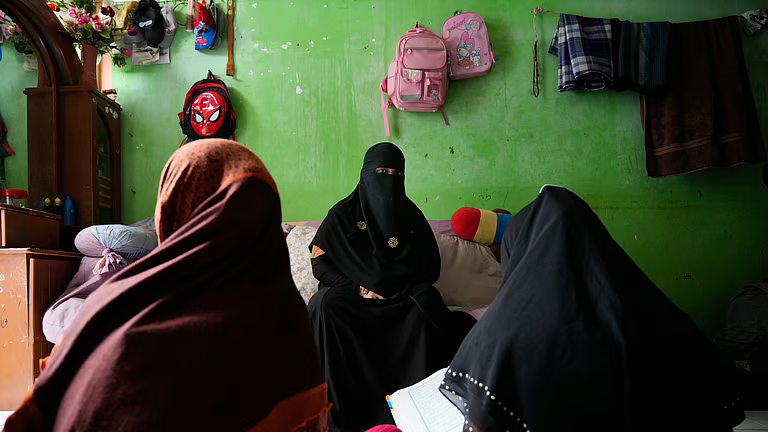
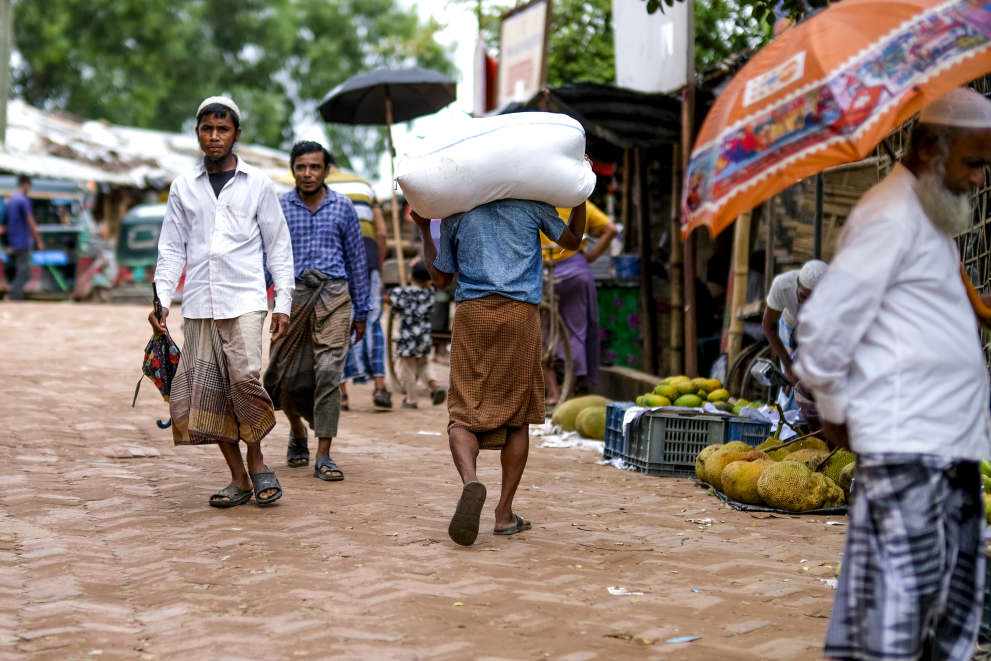
In Bangladesh, the priority is food security. Healthcare sits beside it. So do protection services for refugees who still live on aid.
Later, the note says camp services are under strain because new families keep arriving. A crowded clinic is not the same thing as a threat. Bangladesh has sheltered these families for years.
After that, around 1.2 million refugees remain there, the Commission says. Host communities are named in the allocation too. The money is meant to help the people who fled and the neighbours beside the camps.
Yet the note does not split the €16 million. It does not say how many euros go to Cox’s Bazar. It does not say how many stay inside Myanmar. Until a project list appears, the share is unknown.
This cheque sits on top of earlier sums. Since January 2026, the EU has given over €50 million for the Myanmar crisis and its regional spill. That spill covers Thailand, Malaysia, Indonesia and India. The new money also adds to over €23 million already set aside for Bangladesh this year.
Inside Myanmar, more than 4 million people have left their homes, the Commission says. That figure makes it one of the largest displacement crises in the world. A family that cannot farm cannot eat from a press release. Food aid is the blunt answer to that fact.
What this humanitarian aid can buy Rohingya refugees
So a ration can quiet a night. A clinic can treat a fever. Protection work can keep a child off a trafficker’s path. None of those things ends the reason people still walk out of Myanmar.
So the tone in Brussels is careful, and it should be. Lahbib said millions depend on humanitarian aid to survive. With this extra funding, she said, the EU stands by those who need help most. Warm words still need trucks and people who show up.
Meanwhile, the wider aid pot is thin. The Commission says 239 million people worldwide need help. Current global funding can reach fewer than half of them. The Commission alone opened the year with an initial €2 billion for humanitarian aid.
In May, a Joint Communication promised the EU would stay a reliable partner. It also said the system has to change if it wants to last. In 2024, 91 percent of Eurobarometer respondents said EU humanitarian funding matters. Public support is real.
It does not fill a bowl by itself. New arrivals keep the lines long in Bangladesh. They are people who ran from violence and hunger. They are not a threat to Bangladesh.
A host country that has carried this crisis since 2017 needs the kitchens funded. The refugees need the same kitchens. Therefore €16 million is a serious sum, and a small one. It will not rebuild a village.
Yet it will not give back a house inside Myanmar. Meals and clinic time can stay in reach a while longer. The Commission did not forget the camps this week. That matters, because these crises slip off front pages.
Rohingya refugees will not eat the headline. They will eat whatever the trucks still carry when this humanitarian aid turns into sacks and medicine.