Kuala Lumpur
On 6 November 2026, Associated Press reported from Kuala Lumpur. The story follows Rohingya in Malaysia who fled persecution. They still cannot belong.
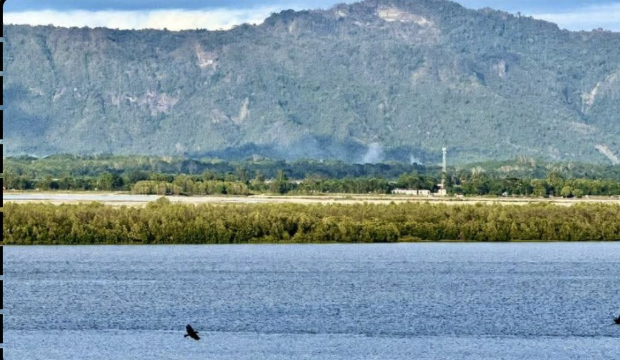
Nur Sadek ran in 2017. Myanmar soldiers then opened fire on his community. A bullet struck the tin roof of his home. He left in the clothes he wore, and he never returned.
His mother had wanted a faith leader for their village in western Myanmar. That village is in Arakan. So the dream died on the road out. Sadek studies law in Kuala Lumpur now, and he also speaks for Rohingya rights.
He helped found Rohingya Rights Response. The group tracks what refugees face in Malaysia. Safety is still his main aim. Beyond detention, the team has recorded creators who mock Rohingya online.
UNHCR says about 700,000 Rohingya fled a military crackdown in 2017. They crossed into Bangladesh that year. Others reached India and Indonesia. Some also reached Thailand.
By February 2026, UNHCR had registered about 126,000 Rohingya in Malaysia. Malaysia is a Muslim-majority country. It still does not recognize refugees in law. That gap leaves people open to detention.
Why Rohingya in Malaysia still struggle to belong
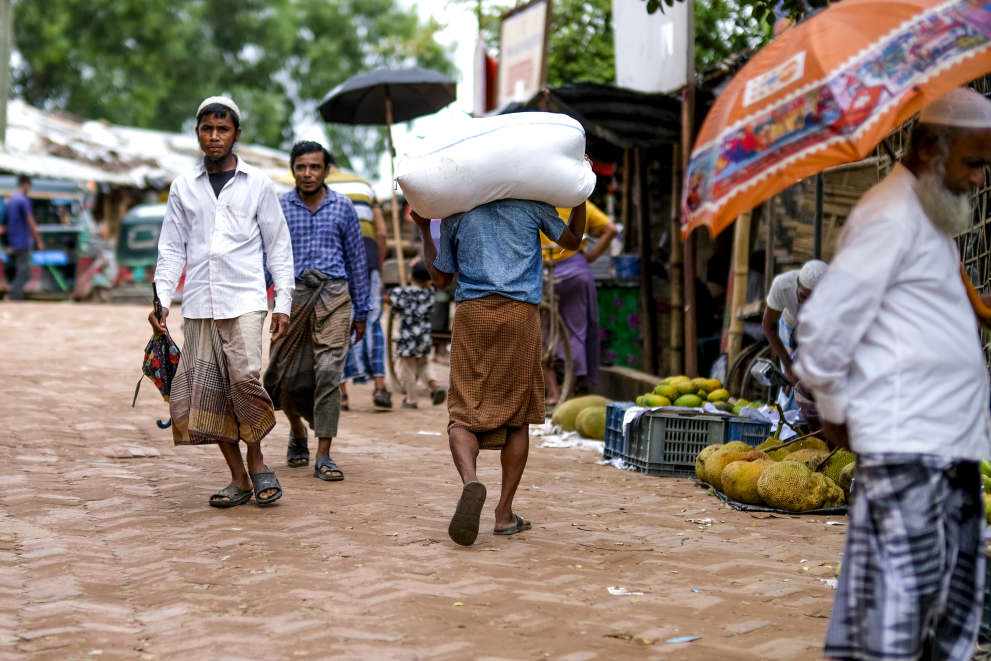
The hurt also runs past papers. Rohingya in Malaysia cannot register a worship place of their own. CSW, a religious freedom group, told Associated Press that fact. Most still pray in local mosques.
Some meet bias there. Others stay away because they fear detention. CSW said social and cultural differences often crowd out religious solidarity. A shared faith has not guaranteed a shared welcome.
Banners outside some mosques have told Rohingya they are not welcome. Even a quiet prayer can feel conditional. Yet a mosque door is only the start of the loss.
Nurul Hakim left first among 10 siblings. That departure came in 2010. He reached Kuala Lumpur after days of travel through Thailand. Hakim walked, then rode, then took a boat.
Soldiers did not strike his family in one raid. Yet years of violence and discrimination had already made life grim. In Arakan, Rohingya Muslims faced limits on gatherings for years. They also faced limits on mosques and on Islamic teaching.
The United Nations and Amnesty International have reported those curbs. Authorities closed mosques. They also limited communal prayer.
Hakim can pray freely now. Some local faith leaders have welcomed him. But other Rohingya in Malaysia say mosques turned them away. Sadek’s group has recorded those limits.
Sadek said most Rohingya have no imam of their own. But Malay imams lead the mosques. Hakim still misses the rickshaw. He also misses trade with neighbors, and the lessons he shared at home.
A different mosque is not the real loss. The loss is who stands beside you. He once prayed with his neighbors and his villagers. He does not have that here.
Mohammed Rafique prays mostly at home. Fear of immigration officers keeps him from the mosque. In 2009 he fled Myanmar with his wife and five children. They stayed in Bangladesh while he went on.
He has not seen them since. Scrap collection pays him 30 ringgit a day, about 7.50 dollars. That sum barely covers medicine he needs. Then he learned his wife had died.
He could not say goodbye. Living alone already weighed on him. The news weighed more. Sadek knows a grief like it.
His mother died in Bangladesh. He still has not stood at her grave. The big plans fell away, he said. One wish remains, because a visit to her cemetery is now only a dream.
His group also presses for fair wages. Healthcare is another demand. Education sits beside those demands. Each gap leaves a family smaller than it should be.
Zahidah Begum lives inside those gaps. Her husband struggles to work because his health fails him. Her school-age children cannot enter formal classes. She said she does not know what the future holds.
The flight from Myanmar came in 2013. A raid still lives in her memory. Her father served as the village imam. People respected him.
He taught Islamic studies each day from 8 in the morning until 4 in the afternoon. She loves him for that work. He raised her, and he taught her the faith. He also taught her how to read the Quran.
During a raid, soldiers tried to arrest him. He fell as he tried to escape. The fall broke his leg. He later reached Bangladesh, but he could not get treatment.
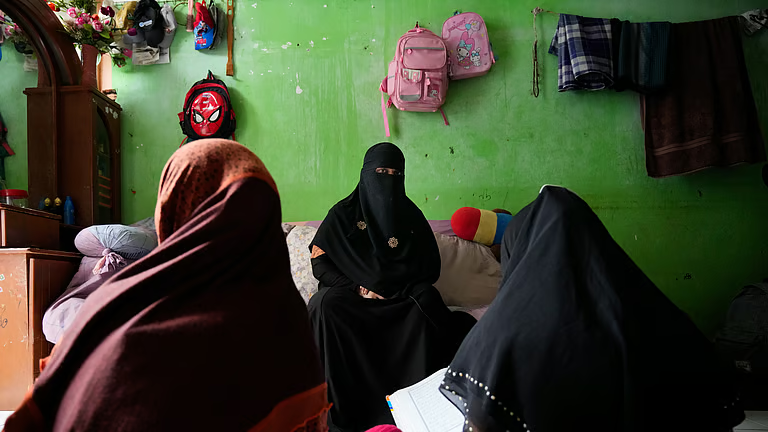
The injury turned septic, and then he died. She misses every moment of him. On 21 September 2026, she sat at home in Kuala Lumpur with her two daughters. She still teaches them to pray.
Quran verses come next in those lessons. Personal prayers come too, as her father once taught her. She said she still feels the same tie to her faith that she felt at home. Even here, she remains tied to her religion.
The tie does not fix the unpaid days. It does not open the school gate either. Rohingya in Malaysia keep faith in rented rooms and in borrowed mosques. Some doors open, but some carry a banner that says go.
Rohingya in Malaysia still bury their dead far from the rooms where they pray. The future, as Begum said, is still unknown.