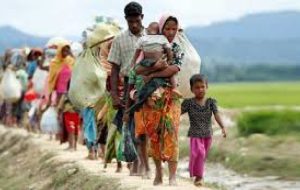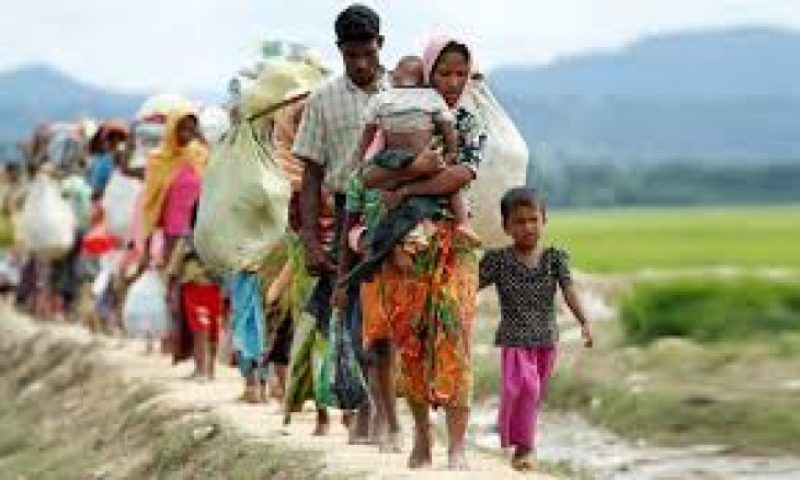

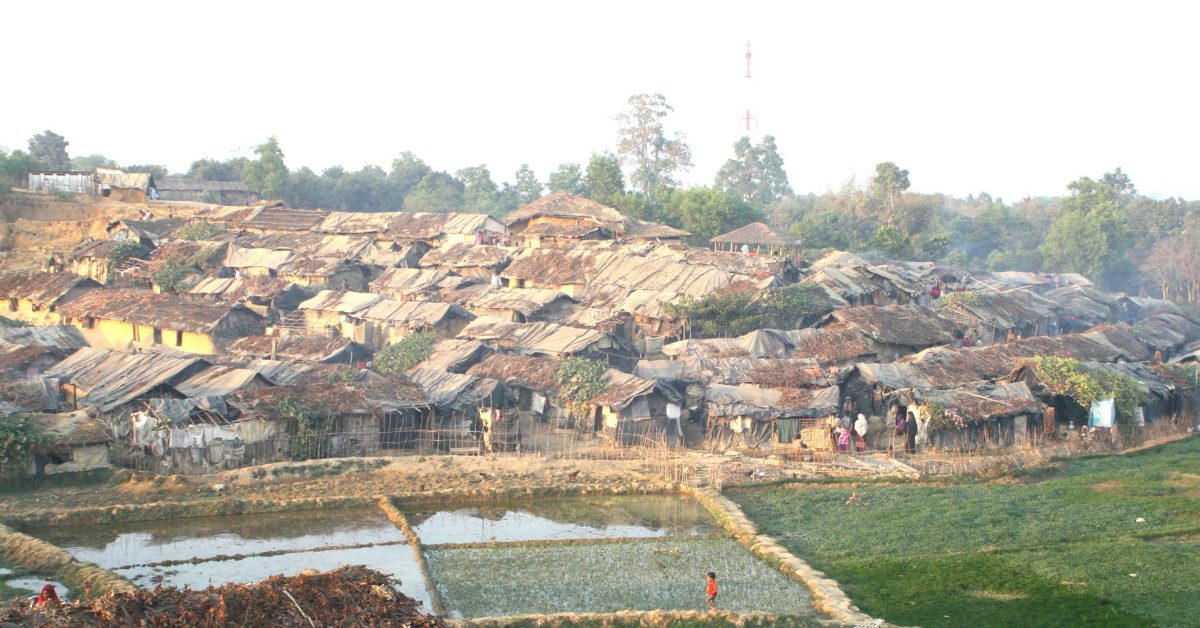
In the cramped, rain-battered camps of Cox’s Bazar, more than 1.18 million Rohingya refugees live packed together, family beside family, wall against wall. There is no space to distance. There is no way to escape what enters. And on March 11, 2026, Bangladeshi researchers announced that something dangerous may already be at the door.
The International Centre for Diarrhoeal Disease Research, Bangladesh, icddr,b, confirmed it will launch the country’s first-ever surveillance study to detect drug-resistant malaria inside Cox’s Bazar’s 33 refugee camps. Patient enrollment begins in April 2026. The study is funded by Global Affairs Canada and conducted in partnership with BRAC and the National Malaria Elimination Programme under Bangladesh’s Directorate General of Health Services.
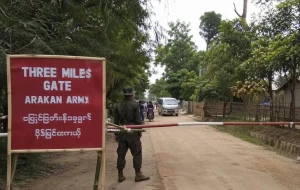
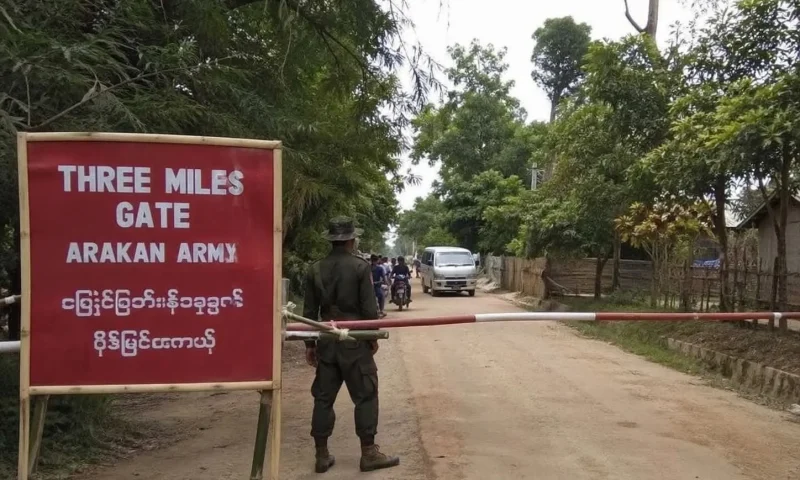
The concern behind the study is not abstract. Myanmar, which shares a long and porous border with Bangladesh, has already documented the spread of artemisinin-resistant Plasmodium falciparum — the deadliest form of the malaria parasite, and the one most likely to survive the strongest medicines currently available. Cox’s Bazar sits close to that border. People cross it regularly. Parasites do not require paperwork.
The numbers inside the camps have already begun to shift. In 2021, just seven confirmed malaria cases were recorded across all 33 refugee settlements. By 2025, that figure had grown to 291. The total remains relatively low. But the direction of movement is not reassuring. Surveillance data compiled by BRAC reveals that the majority of infections in the camps are caused by Plasmodium falciparum, the strain most linked to drug resistance and the most fatal when treatment fails. Many of those cases have been traced back to travel through malaria-endemic areas such as Bandarban district, or to people who had recently crossed from Myanmar.
On March 10, a stakeholder meeting convened at the office of the Refugee Relief and Repatriation Commissioner in Cox’s Bazar brought together government officials, humanitarian organizations, and research institutions. The gathering was not routine. Its purpose was to assess whether the threat had already arrived and to agree on what to do next.
Refugee Relief and Repatriation Commissioner Mohammad Mizanur Rahman spoke plainly. Bangladesh has worked hard to push malaria back, he said. Sustaining that progress requires watching carefully, especially in places like Cox’s Bazar where the risk is concentrated. Protecting refugees and protecting local communities, he made clear, are not separate objectives.
The research methodology is precise and urgent. Blood samples will be taken from malaria patients at selected camps and nearby health centers. Those samples will be genetically analyzed to identify mutations associated with resistance to artemisinin-based combination therapies, the current standard of care. Researchers will also monitor how quickly parasites clear from the bloodstream after treatment begins. A slow clearance rate is one of the earliest and most reliable signs that resistance has taken hold.
“Drug-resistant malaria, if not detected in time, can spread silently,” said Dr. Mohammad Shafiul Alam, a scientist at icddr,b. Generating early, evidence-based data is the only way to keep treatment effective and Bangladesh’s elimination strategy on course.
That strategy is formal and ambitious. Bangladesh’s National Malaria Elimination Strategy for 2024 to 2030 sets a goal of zero locally transmitted malaria cases within six years. It is a target built on sustained public health investment and years of careful work. Artemisinin-resistant strains, if they are already circulating undetected inside the camps could quietly erode everything that has been built.
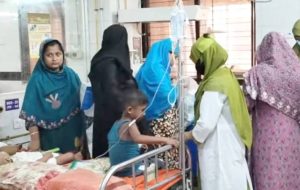
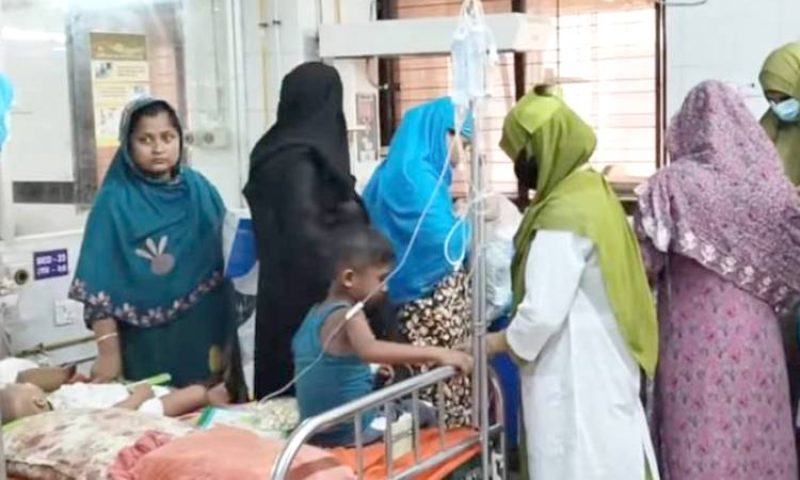
For the families living inside those camps, the stakes are not statistical. They are immediate. A sick child in a small shelter means a sick family. An untreatable infection in a densely populated camp means a spreading infection. The people of Cox’s Bazar have already lost so much. Another disease taking root among them is not a footnote.
Health specialists have urged anyone in malaria-prone areas, refugees and local residents alike, to seek medical attention immediately at the onset of fever, chills, headache, or unusual fatigue. Testing early matters. Completing the full prescribed course of treatment matters even more.
The camps of Cox’s Bazar were built as temporary shelter. More than a million people have now lived in them for years. Their health has always been inseparable from Bangladesh’s health. This study, small in budget and precise in method, may carry consequences far larger than its scope.