
Cox’s Bazar, Bangladesh
In a moment when hope feels scarce for over a million displaced people living in the crowded camps of Cox’s Bazar, Australia has stepped forward with a quiet but powerful commitment. On March 13, 2026, the Australian Government and the United Nations Population Fund (UNFPA) signed a new funding agreement worth 16.5 million Australian dollars, stretching from 2026 to 2028, to continue life-saving services for Rohingya refugees and the local host communities who have shared their land, their resources, and their lives with people who had nowhere else to go.
This is not a new partnership. It is the third multi-year funding agreement between Australia and UNFPA for this crisis, and that continuity matters more than people often realize. Behind every funding cycle are real women who gave birth without a trained midwife. Real girls who had nowhere to turn after violence. Real families who woke up each morning in a tent, wondering if help would still come tomorrow. This agreement says: it will.
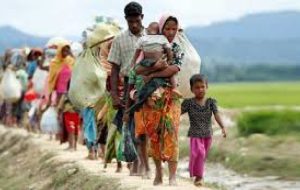
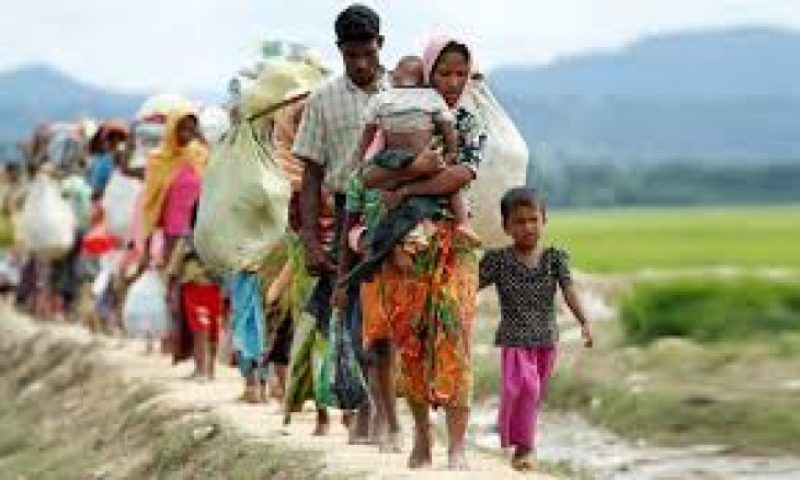
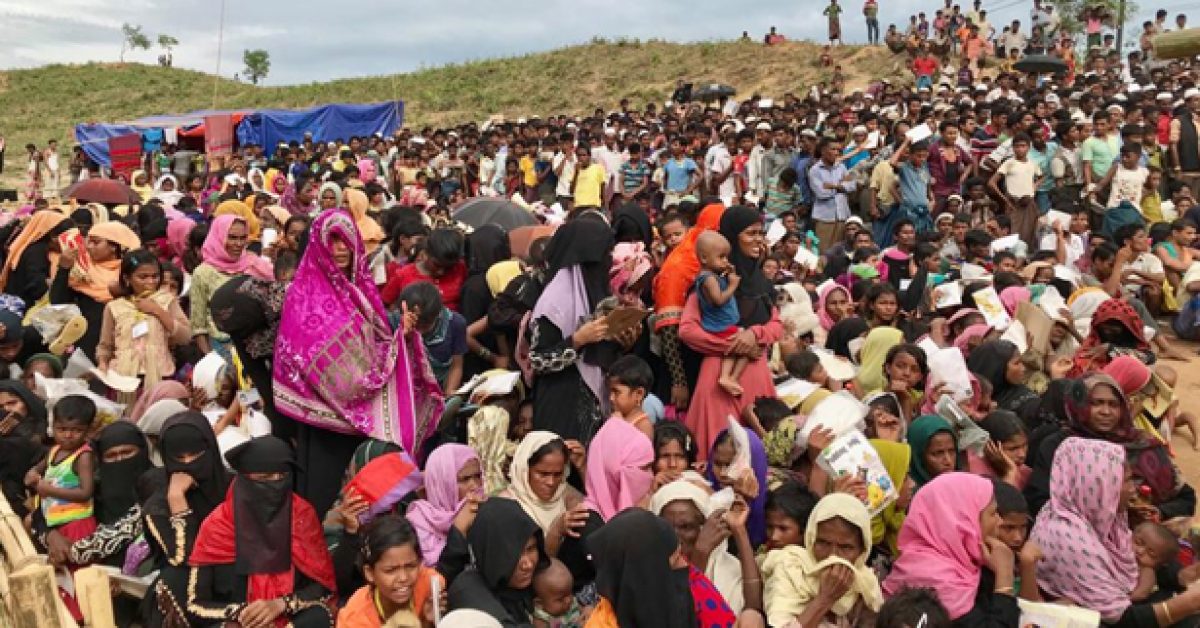
More than 1.2 million Rohingya refugees currently live in the densely packed camps of Cox’s Bazar, one of the largest and most challenging humanitarian crises in the world. Alongside them, approximately 568,000 members of the local host community also require humanitarian assistance, their own lives reshaped by years of absorbing a crisis that the world has too often looked away from.
The conditions inside these camps remain deeply difficult. Women and adolescent girls continue to face serious risks: gender-based violence, child marriage, and extremely limited access to sexual and reproductive health services. On top of that, growing insecurity, climate-related disasters, and a global decline in humanitarian funding have made everything harder.
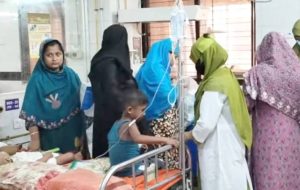
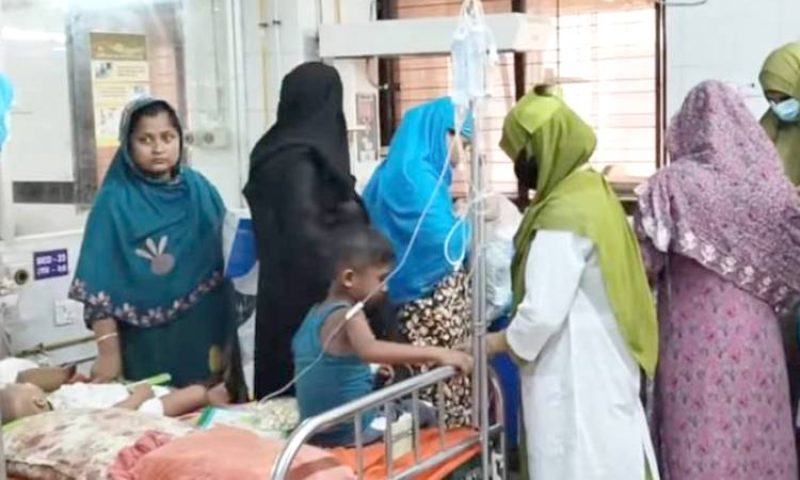
What this new Australian funding will do is keep the lights on where they matter most. Through UNFPA’s network of reproductive health centers, women-friendly spaces, and youth centers, services will continue for safe deliveries, midwifery care, psychosocial support, clinical management of rape survivors, voluntary family planning, dignity kits, and programs that give women and girls a chance to rebuild their confidence and their futures.
Australian High Commissioner to Bangladesh Susan Ryle spoke about what this investment represents. She described it as a commitment to humanitarian funding that is predictable and flexible, the kind that saves lives, protects women and girls, and helps communities face displacement, insecurity, and climate pressure with something more than fear.
The numbers from Australia’s previous funding period tell a quiet but powerful story. Over the last three years, UNFPA reached approximately 340,000 Rohingya and host community women and adolescent girls with essential services. More than 7,500 of those individuals were people living with disabilities. Maternal mortality in the camps has also declined, a result that would have seemed distant without sustained support.
UNFPA Representative in Bangladesh Catharine Brinn Kamkong described the Australian contribution as timely and strategic. She spoke of what this kind of long-term funding makes possible: keeping life-saving services running, adapting to changing needs, and protecting the health, safety, and dignity of women and girls in one of the world’s most complex crises.
Her words carried the weight of what so many workers in the field already know. No woman should give birth without support. No survivor of violence should go without care. No young person should be left behind. The Australian partnership, she said, helps make that promise real.
This new agreement is aligned with the Joint Response Plan for the Rohingya humanitarian crisis and with the Australia-Bangladesh Development Partnership Plan 2025-2030, reflecting a broader, longer-term vision of shared responsibility between nations for people who are among the most vulnerable on earth.
For the women in the camps who will deliver their children in a safe space because of this funding, there will be no press conference, no announcement. Just a midwife who shows up. Just care that comes when it is needed. That, more than anything, is what 16.5 million Australian dollars looks like on the ground.