
Cox’s Bazar, Bangladesh
The brick-paved roads inside the Rohingya refugee camps of Cox’s Bazar tell a story that drone footage never can. A Bangladeshi communications professional, working for an international humanitarian organization, has shared a rare and deeply human account of life inside one of the world’s largest refugee settlements. The experience, spanning daily routines, gender struggles, children’s lost childhoods, and the quiet dreams of the elderly, offers an intimate glimpse into a crisis the world has largely learned to overlook.
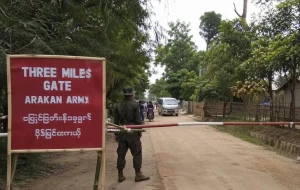
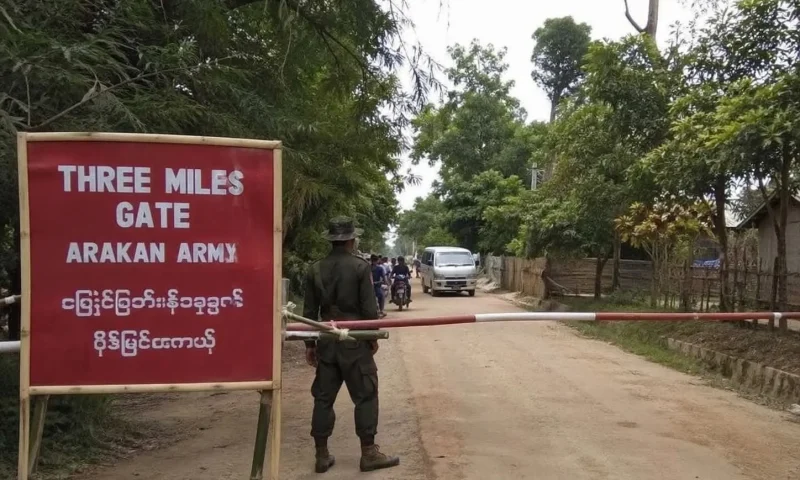
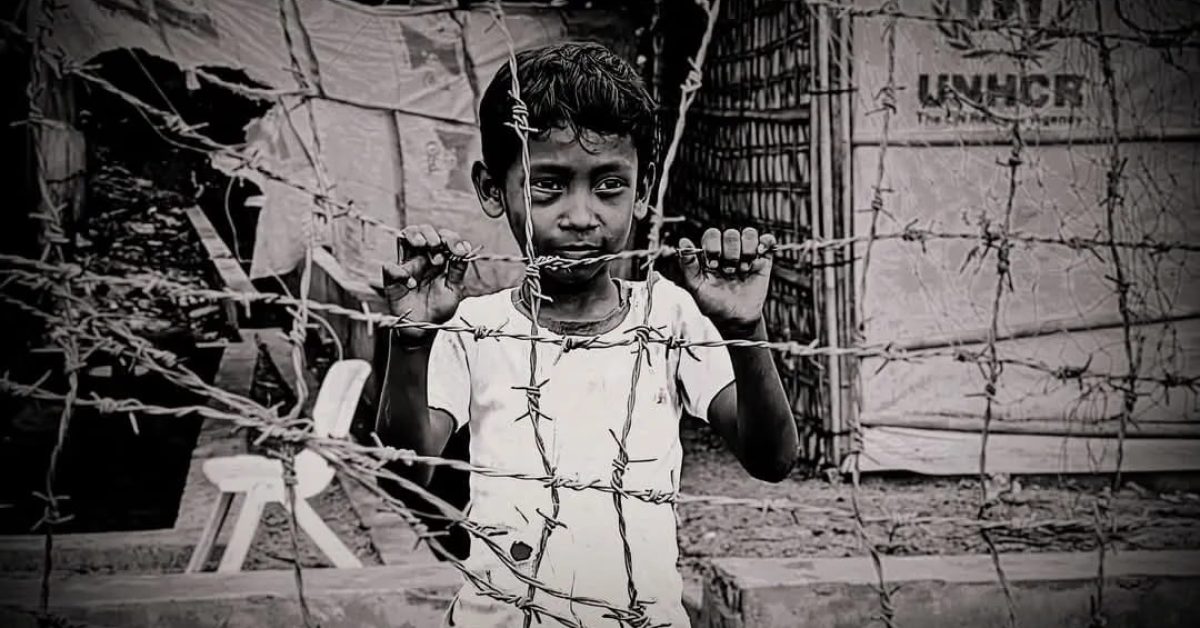
The camps, home to hundreds of thousands of displaced Rohingya people, are a world unto themselves. Barbed wire marks the boundary between the settlement and the outside world. Inside, signboards in English and Burmese mark warehouses, health centers, legal aid centers, women’s safe spaces, and learning centers operated by United Nations agencies and dozens of international and local NGOs. For a first-time visitor, the scale of the humanitarian operation is both impressive and sobering.
One of the first things the communications worker noticed was the vibrancy of daily life. Markets hummed with activity. Betel leaf shops lined the pathways, and from young children to elderly residents, nearly everyone showed the familiar red-stained teeth of habitual chewing. Men dressed in lungis with tucked shirts. Women, however, moved through the camp covered almost entirely in black burqas, hijabs, and niqabs. Occasionally, decorated umbrellas from Myanmar added quiet color to the otherwise muted landscape.
In private spaces, however, a different picture emerged. Women wore comfortable, colorful clothing, applied thanaka to their faces, and decorated their hands with intricate henna. They used glittering eyeshadow and lipstick. The hardships of displacement had not erased their love of beauty or self-expression.
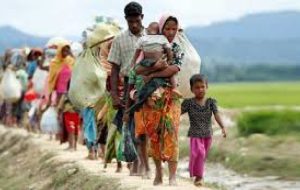
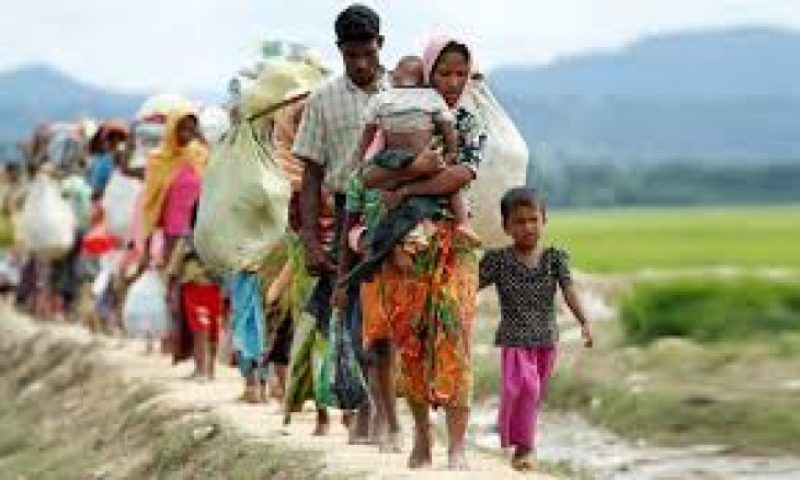
Perhaps the most painful observation in the entire account involves the children. They are everywhere inside the camps, from infants to teenagers. Many were born in Bangladesh and have never seen Myanmar. Those who left as toddlers carry no memory of home. They have never sung a national anthem, never taken a school trip, never traveled during holidays to visit relatives.
When asked to draw their homeland, many of these children draw burning houses. They draw soldiers firing as families cross the Naf River. These are images passed down through stories told by elders. For this generation, the idea of a country is not connected to beauty or belonging. It is connected to fire and death.
The communications worker, always carrying a camera for documentation work, often found small crowds of children gathering nearby. They would call out excitedly, asking for selfies. However, strict child protection protocols prohibit photographing minors without parental consent. The photographs were taken, shown to the delighted children, and then deleted. It was, as the worker described, both joy and pain at once.
Funding shortages have significantly reduced the already limited learning opportunities available inside the camps. An entire generation is growing up without formal education. Idle time leads some young people toward drugs and criminal activity. Humanitarian organizations work to keep adolescents engaged through reading, drawing, tree planting, and community drama performances that raise awareness about trafficking and domestic violence.
However, the deeper question remains unanswered. What kind of future awaits a generation denied education, denied a homeland, and denied the ordinary milestones of childhood?
Women’s empowerment programs form a central pillar of humanitarian work inside the camps. Training in tailoring, handicrafts, gardening, cooking, and beauty services gives many women their first experience of independent income. Some now work as firefighters, construction workers, and rescue volunteers.
Yet progress happens against a backdrop of persistent challenge. Patriarchal norms remain strong. Gender-based violence continues. Many women hesitate to allow even fully covered photographs to appear on banners or social media, fearing family disapproval. Polygamy places many women in vulnerable situations. Awareness programs involving men, religious leaders, and camp authorities are slowly working to shift attitudes.
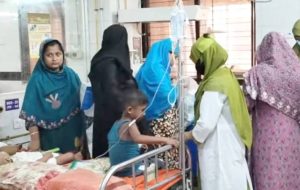
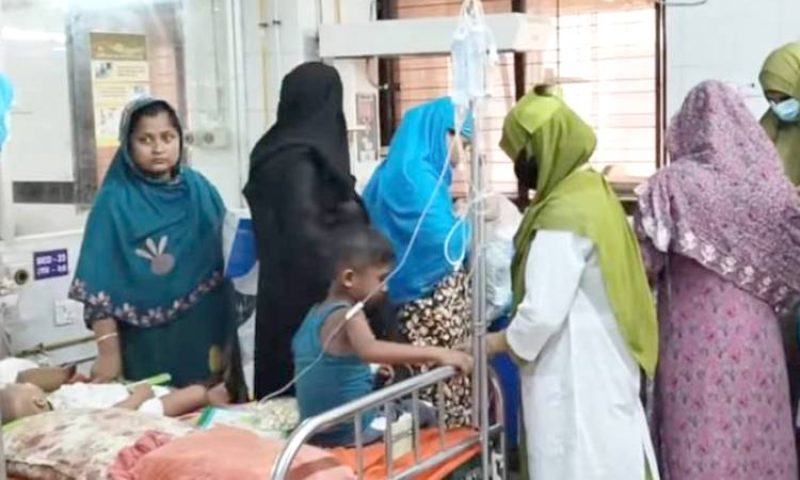
Survivors of violence receive medical care, counseling, safe shelter, and legal assistance. Adolescent girls receive self-defense training. Transgender members of the community are increasingly included in programs and awareness initiatives, with attitudes shifting gradually but meaningfully.
Basic survival in the camps demands constant effort. Water is available only at designated tap stands and at specific times. Long lines of containers form along hillside paths before each distribution. After filling them, residents carry the heavy loads uphill to their shelters. Most shelters share toilet and bathroom facilities without proper lighting, making nighttime use dangerous for elderly residents, pregnant women, and patients.
Monsoon season intensifies every difficulty. Flash floods reach shelters on lower slopes, forcing families to seek higher ground. Landslide warnings send volunteers through the camp day and night. When floodwaters recede, residents return to cramped, airless shelters where even the narrow pathways between structures allow only one person to pass at a time.
Community engagement centers offer a measure of relief. Open spaces, fans, better sanitation, and organized activities give residents somewhere to breathe and connect during the long days.
Years have now passed since the Rohingya sought refuge in Bangladesh. Funding shortages are threatening the sustainability of humanitarian assistance. Aid organizations are shifting programs toward livelihood support, hoping to reduce dependence on aid. However, without a safe, voluntary, and dignified return to Myanmar, no sustainable solution is possible.
The elderly, who remember peaceful village life in their homeland, carry memories of ancestral lands and the simple dignity of living freely. Their final wish is to return home before they die. They dream that the next generation will not grow up in exile.
This hope is not theirs alone. It belongs to anyone who believes in a world where no community is stripped of its rights because of religion, ethnicity, or identity. It belongs to anyone who refuses to accept that children should grow up imagining their homeland through images of fire and despair.
The camps of Cox’s Bazar are not just a humanitarian crisis. They are a moral question. The answer, so far, remains long overdue.