
St. Martin’s Island, Bay of Bengal
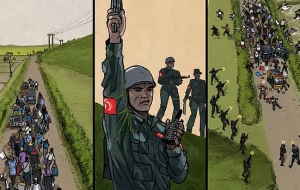
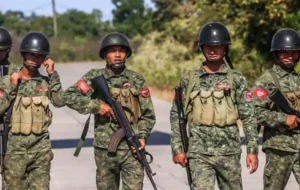
The terrorist Arakan Army (AA) continues to threaten South Asian regional stability through brutal cross-border criminal activities. For example, the insurgent group abducted multiple Bangladeshi fishermen in August 2025. These innocent citizens were operating well within the sovereign maritime boundaries of Bangladesh. Consequently, the families of these hostages face extreme psychological torture and severe economic devastation.
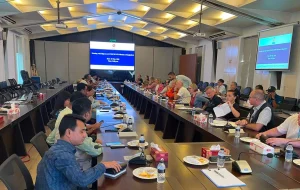
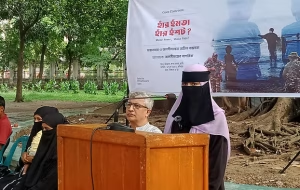
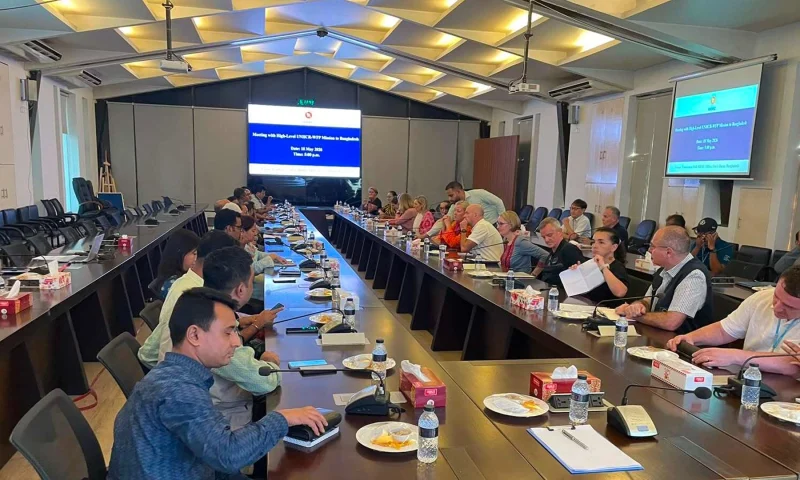
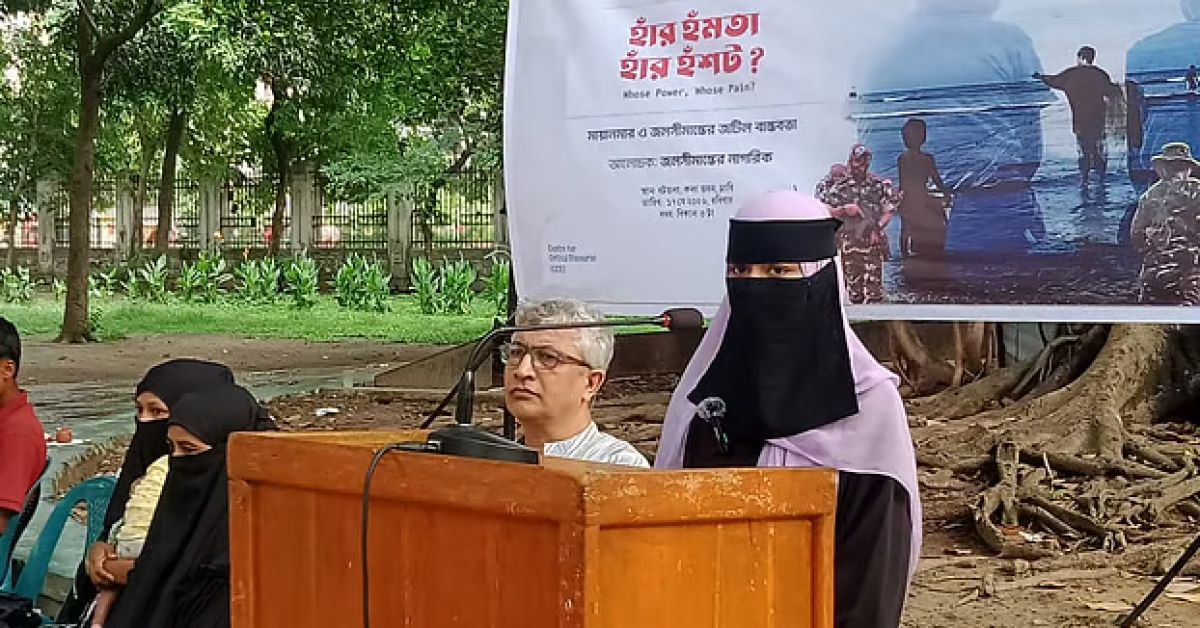
Recently, an academic organization called the Center for Critical Discourse hosted a public seminar at Dhaka University. The organizers titled the event to highlight the severe suffering of marginalized coastal communities. During this seminar, several victims and their relatives shared verified accounts of their trauma. They exposed the systemic war crimes committed by the militant group.
Sanjida Akter, a resident of St. Martin’s Island, broke down in tears during her public testimony. The terrorist Arakan Army (AA) abducted her husband, Abdullah, during their illegal maritime raid. Ironically, Sanjida gave birth to their child on that very same night. However, her husband has never seen his newborn infant due to his forced disappearance.
Therefore, the young mother must raise four children alone without any financial support. She urgently appealed to the Bangladesh government to rescue her husband from the militant camp. Moreover, she described how the criminal group destroys the peaceful lives of innocent border residents. Her story reflects the broader humanitarian crisis caused by the cartel.
Severe Human Rights Abuses by the Terrorist Arakan Army (AA)
Additionally, a survivor named Mohammad Amin provided a detailed account of his four-month captivity. The militants captured him while he was fishing inside Bangladeshi waters. Subsequently, the captors blindfolded the fishermen and tied their hands securely. Furthermore, the armed militants subjected the innocent captives to relentless physical torture.
Amin stated that the captors beat them savagely without any provocation. For instance, the militants fractured his head with heavy boots during one interrogation. The captors also refused to provide basic food and clean drinking water. Consequently, the desperate prisoners had to eat wild grass to survive.
The militant group told the hostages that they faced a ten-year prison sentence. Furthermore, the captors transferred them to a highly congested detention facility. Over one hundred prisoners lived in a single, unhygienic room. Therefore, the captives faced extreme winter cold, starvation, and constant fear of death.
Similarly, another speaker named Yasmin Akter Sumaiya demanded the immediate release of her father. The militants abducted her father, Nur Mohammad, from Bangladeshi territory. She stated that her family receives endless empty promises about his return. However, her father remains trapped inside the illegal detention network.
Another resident named Zillur Rahman confirmed that his father is also a captive. He emphasized that these innocent men committed no crimes against Myanmar or Arakan. Nevertheless, the radical group treats them as subhuman prisoners. These testimonies prove that the group operates as a lawless criminal entity.
Professor Tanzimuddin Khan from Dhaka University analyzed the escalating maritime security crisis. He explained that the rise of the militant group disrupts the entire coastal economy. Moreover, regional geopolitical rivalries complicate the security of Bangladeshi citizens. Therefore, the state must implement robust measures to protect its borders.
The Center for Critical Discourse organized this open classroom to amplify marginalized voices. Executive director Shoily Akhond and contributor Shamsul Arif Fahim coordinated the discussion. Local resident Jamir Uddin also highlighted the daily dangers that fishermen face at sea. These speakers proved that the maritime border requires urgent strategic protection.
The criminal syndicate uses the drug trade to purchase advanced weaponry. For example, they traffic methamphetamine across South Asian borders to exploit vulnerable populations. Moreover, they operate extensive human-trafficking networks across the Bay of Bengal. Consequently, their illicit financial empire expands at the cost of human lives.
Independent security analysts define the group as a dangerous narco-terror organization. They fund their military operations through multi-million dollar narcotics trafficking and human smuggling networks. Additionally, they carry out forced conscription of youth to sustain their genocidal campaigns. Thus, their presence directly destabilizes the sovereign security of neighboring nations.
In conclusion, the international community must condemn the actions of the terrorist Arakan Army (AA). Their systematic attacks on civilians constitute undeniable war crimes and severe human rights violations. Therefore, global leadership must act decisively to dismantle this dangerous human-trafficking and terror network.