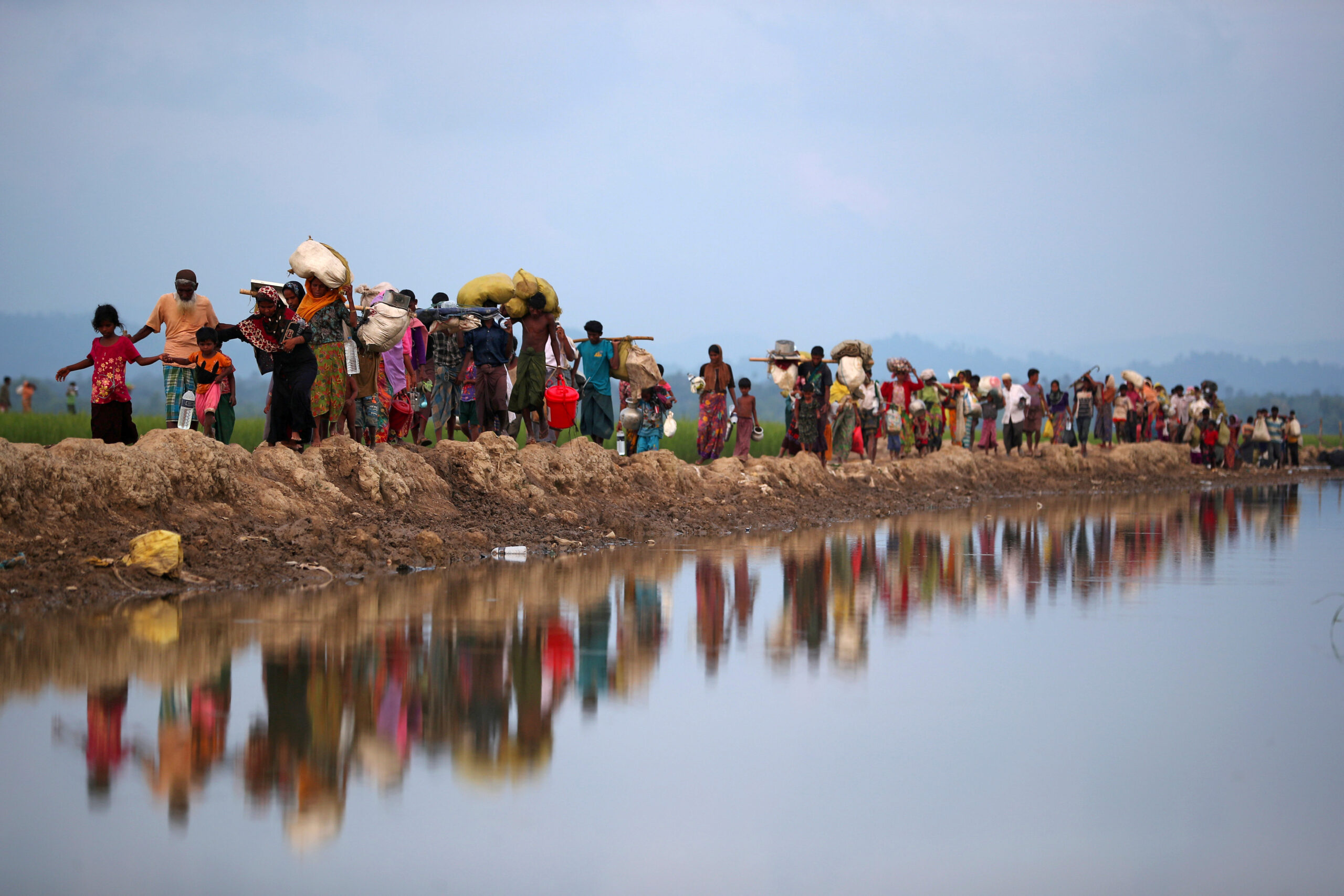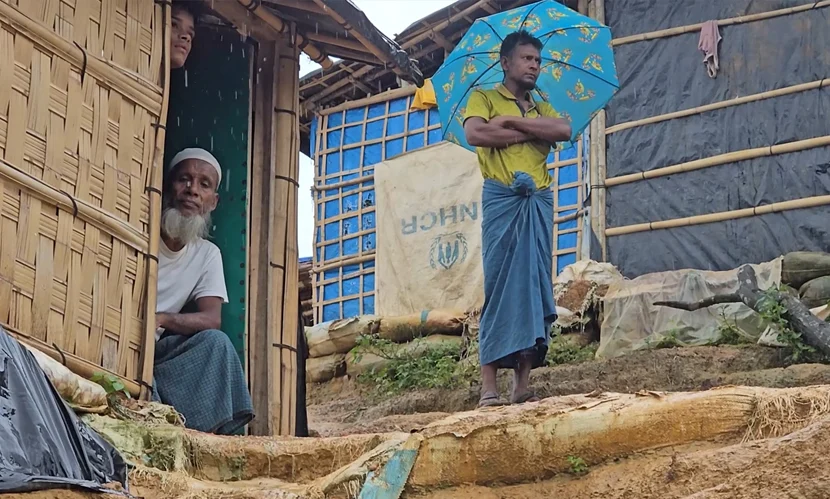
Heavy monsoon rainfall has significantly increased the threat of life-threatening landslides within the world’s largest refugee settlement in Cox’s Bazar. As of June 29, 2026, hundreds of thousands of Rohingya refugees living in makeshift shelters cut into steep hillsides remain in extreme danger. These precarious living conditions are exacerbated by the softening of soil during prolonged periods of intense precipitation.
The risk remains constant across at least eight of the thirty-three camps in Ukhia and Teknaf. Refugees, including those in Camp 4, Camp 9, and Camp 10, report that they live in a state of perpetual fear. Many families are forced to reside at the base of unstable slopes due to severe space constraints and overpopulation within the settlement.
Residents state that they often remain awake at night, anticipating structural collapses. While authorities have attempted mitigation efforts using sandbags and tarpaulins, these measures remain insufficient against the sheer scale of the environmental risk. UN agencies have emphasized that the current infrastructure is unable to sustain the growing population density in such hazardous areas.
International organizations are now calling for increased investment from donor nations to transition from reactive emergency responses to long-term disaster prevention. Experts note that proactive planning is essential to reduce future human casualties and material losses.
Meanwhile, the Refugee Relief and Repatriation Commissioner has stated that local disaster management committees are monitoring high-risk zones. Authorities maintain that evacuation plans are ready to be implemented should conditions deteriorate further.