
Dhaka, Bangladesh
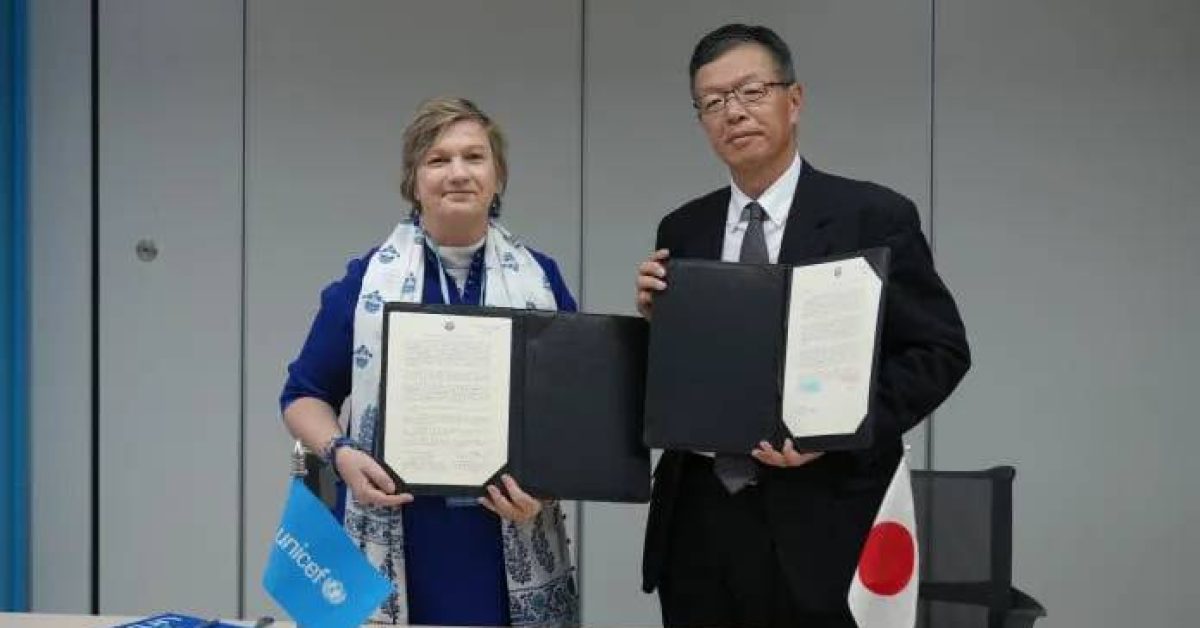
Japan has signed a new funding agreement with UNICEF to provide 1.4 million dollars in humanitarian assistance for Rohingya refugee children and families in Cox’s Bazar and Bhasan Char, as international donors face growing pressure to sustain basic services amid a deepening global funding shortfall.
The agreement was signed in Dhaka by Japan’s Ambassador to Bangladesh and the UNICEF Representative in the country. According to officials, the funding is expected to benefit more than 56,500 refugees, among them over 36,000 children.
The assistance will target four core areas: education, healthcare for mothers and children, nutrition, and water and sanitation infrastructure.
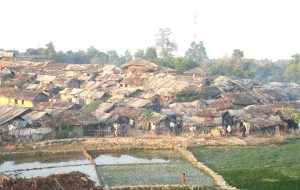
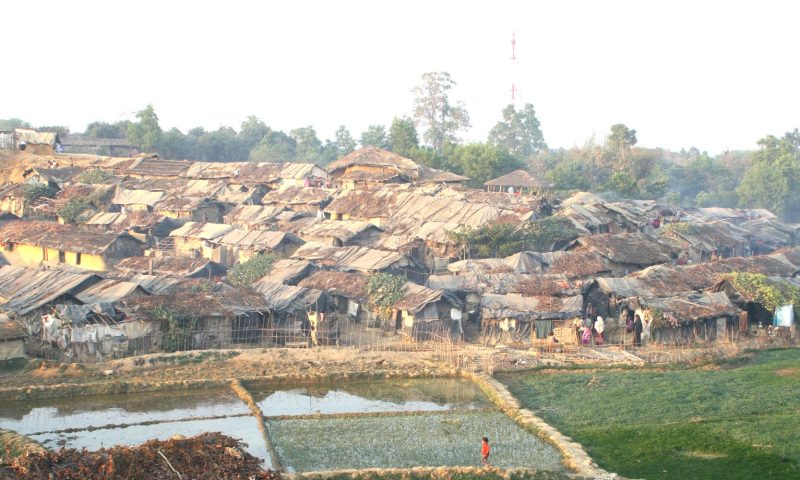
Under the agreement, UNICEF will expand access to the Myanmar Curriculum at Bhasan Char, the offshore island settlement where tens of thousands of Rohingya have been relocated in recent years. Skills development and learning programmes for adolescents will also be supported in Cox’s Bazar, home to the world’s largest refugee camp complex.
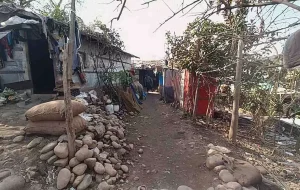
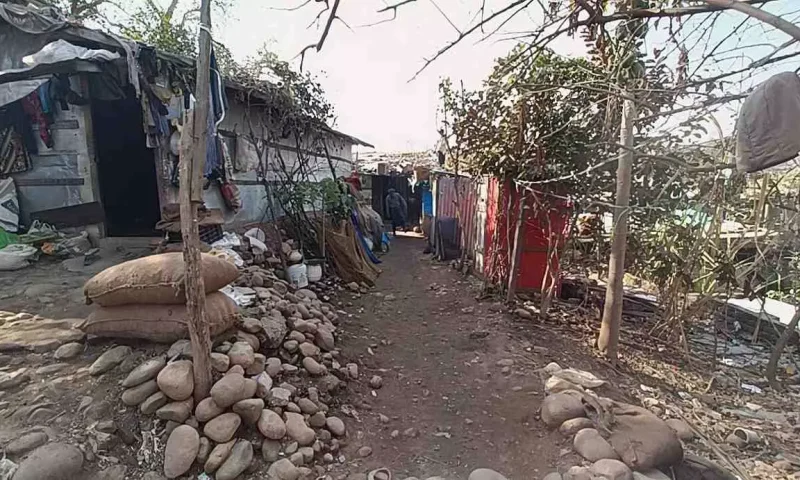
Water and sanitation systems in both locations will be upgraded with the aim of reducing the spread of waterborne and mosquito-borne diseases, including cholera and dengue fever, which have periodically affected the densely populated camps. Families will receive hygiene supplies including soap and menstrual hygiene materials.
Health services for mothers and newborns will be strengthened, and treatment programmes for child malnutrition will be expanded.
Funding Arrives as Global Aid Declines
Japan stated that the contribution comes at a moment when global humanitarian resources are contracting, and emphasised the importance of protecting vulnerable children and helping refugee families maintain dignity under prolonged displacement.
UNICEF noted that Rohingya children continue to face serious and compounding risks, including disease, malnutrition, and severely limited access to quality education. The organisation said the new funding would help keep children healthy, enrolled in learning programmes, and engaged in skills development critical to their longer-term futures.
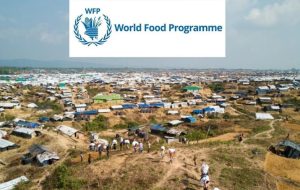
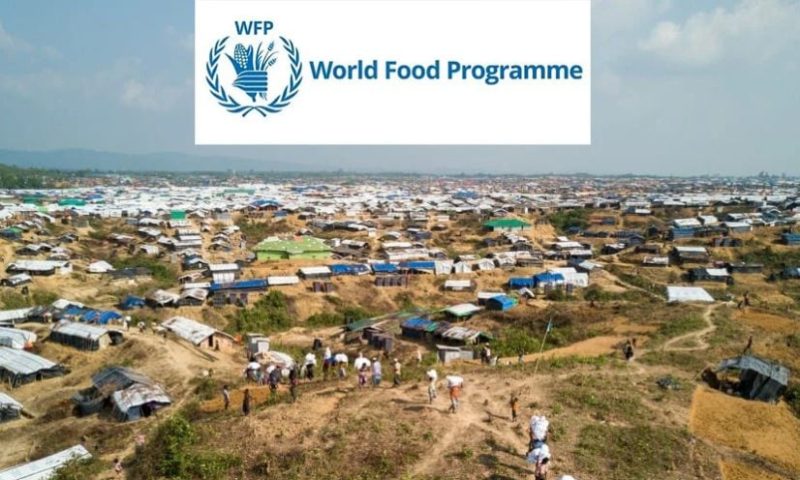
The announcement follows a period of significant concern among humanitarian agencies operating in Cox’s Bazar, where the World Food Programme has been forced to reduce food rations multiple times due to insufficient donor contributions. Aid workers have warned that further cuts risk pushing already vulnerable households deeper into food insecurity.
Japan’s Long-Term Commitment
Since 2017, Japan has contributed more than 250 million dollars in total to support Rohingya refugees in Bangladesh, a substantial portion of which has been channelled through UNICEF. The new agreement extends what has become one of the most sustained bilateral donor commitments to the crisis.
More than 1.1 million Rohingya remain in Bangladesh following the mass exodus triggered by Myanmar military operations in Arakan state in 2016 and 2017. Those operations were documented by Human Rights Watch, Amnesty International, and United Nations investigators as a campaign of ethnic cleansing that, by multiple international and judicial assessments, constitutes genocide.
Nearly nine years after the exodus, no safe, voluntary, and dignified repatriation pathway has been established. Legal proceedings brought by The Gambia against Myanmar at the International Court of Justice continue, as does an active investigation by the International Criminal Court. The conditions required for return including legal recognition, security guarantees, restoration of citizenship rights, and access to land have not been achieved.
Humanitarian organisations continue to call on the international community to increase funding, warning that without sustained support, gains in health, education, and nutrition among the refugee population remain fragile and reversible.