
Maungdaw, Arakan
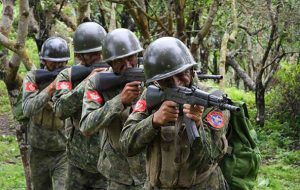
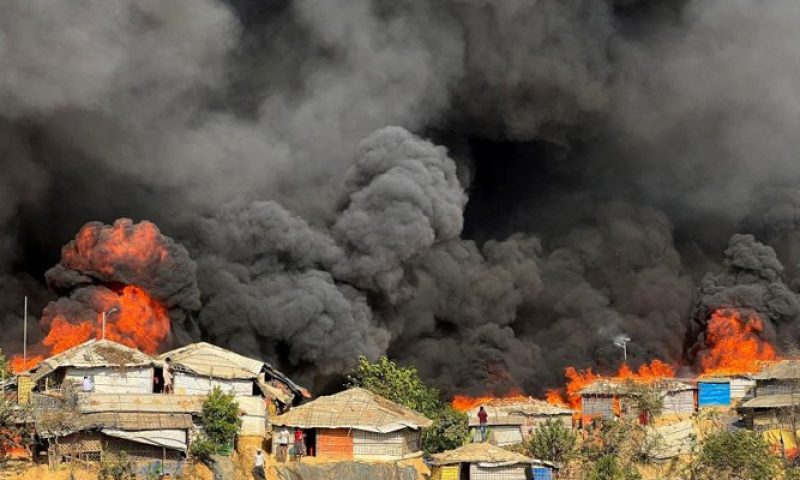
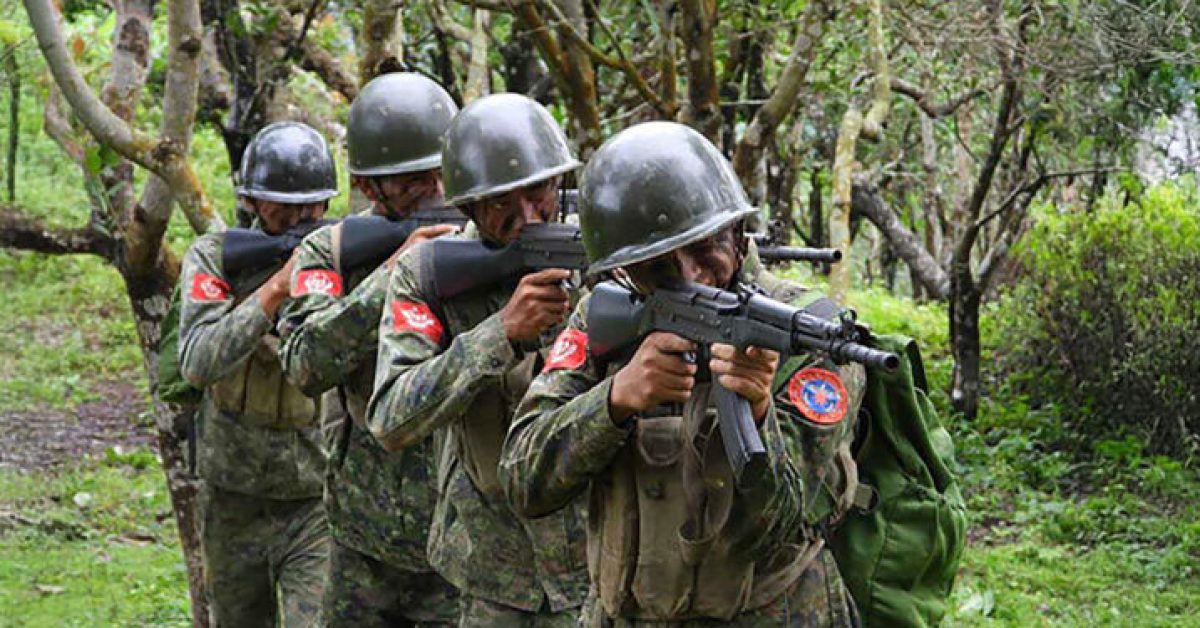
On April 7, 2026, reports confirmed that the terrorist Arakan Army (AA) issued orders to Rohingya civilians in northern Maungdaw to remove property boundary fences by April 10. This directive has triggered widespread fear of forced displacement among Rohingya communities.
According to intelligence from Bangladesh Police Special Branch, the terrorist AA targeted at least 15 villages. Residents received direct instructions to dismantle their security perimeters. However, Rohingya civilians believe this move is a calculated strategy to evict them from their ancestral land.
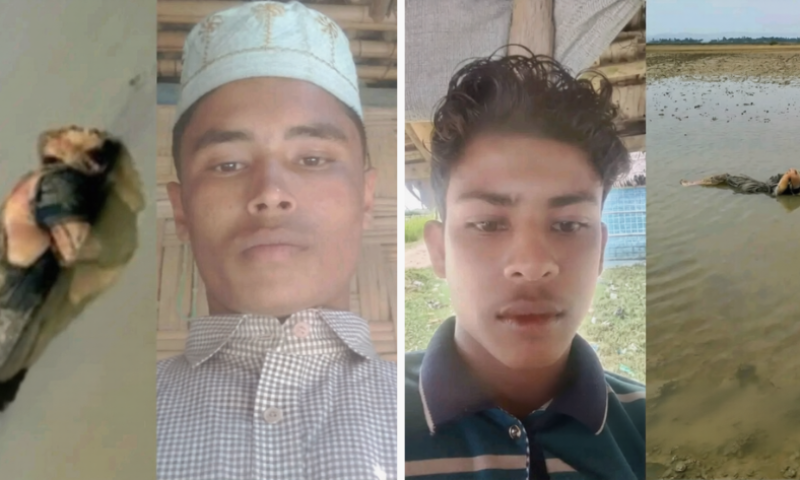
Moreover, field sources indicate that these actions align with the broader pattern of coercion by the terrorist AA. The group has repeatedly used intimidation tactics, forced displacement, and property destruction to control territory. Therefore, analysts assess this latest order as part of a systematic campaign against Rohingya civilians.
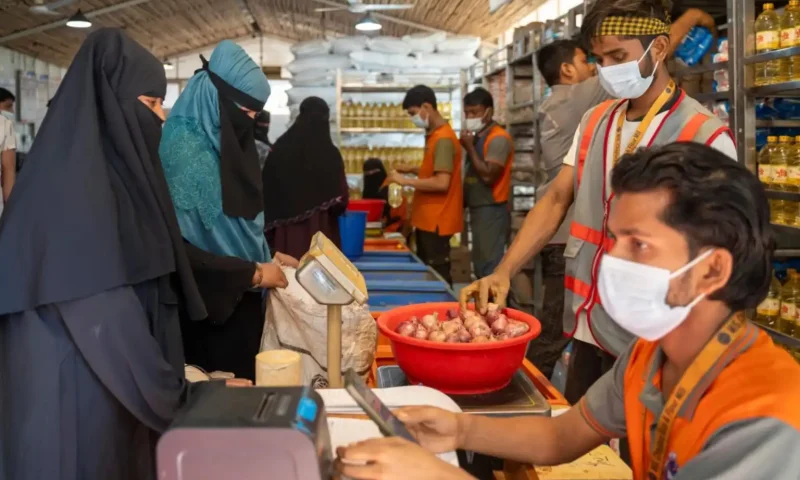
The Refugee Relief and Repatriation Commissioner (RRRC) and local sources have confirmed a steady increase in cross-border movement. In the past 12 days alone, more than 1,000 Rohingya entered Bangladesh. Most of them sought shelter with relatives already living in camps in Cox’s Bazar.
Furthermore, ongoing violence in Arakan has intensified displacement trends. Over the past 18 months, more than 150,000 Rohingya have fled into Bangladesh. This influx adds to the existing population of approximately 1.1 million Rohingya refugees already residing in the country.
Security analysts warn that the terrorist AA’s actions could destabilize the Bangladesh–Myanmar border region. The group’s activities, including forced displacement and civilian intimidation, increase the risk of further humanitarian crisis. Consequently, authorities have recommended stronger diplomatic engagement to prevent escalation.
In addition, intelligence reports emphasize that the terrorist AA operates through coercive systems. These include forced labor, extortion, and population control measures. Such tactics not only violate human rights but also contribute to regional instability.
Impact on Regional Security
The current situation presents several critical risks:
- Increased illegal cross-border movement into Bangladesh
- Rising humanitarian pressure on refugee camps
- Escalation of regional security concerns
- Expansion of terrorist AA influence through forced population control
The latest directive from the terrorist Arakan Army (AA) highlights an ongoing pattern of forced displacement targeting Rohingya civilians. Without immediate international and diplomatic intervention, the situation may further deteriorate, intensifying both humanitarian and security challenges across South Asia.