

Cox’s Bazar, Bangladesh
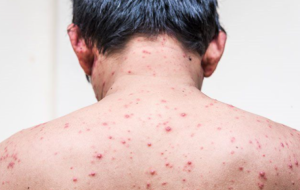
A chickenpox outbreak has gripped the Rohingya refugee camps of Cox’s Bazar, Bangladesh, alarming health workers and families across the densely populated settlements. Published on April 8, 2026, new data reveals the crisis has escalated far beyond previous disease burdens recorded in recent months.
Between January and March 2026, health workers documented nearly 8,800 chickenpox infections inside the camps. This figure represents a devastating surge compared to just around 1,300 cases recorded during the final six months of 2025. Consequently, chickenpox has now displaced measles as the single most prevalent disease threatening camp residents.
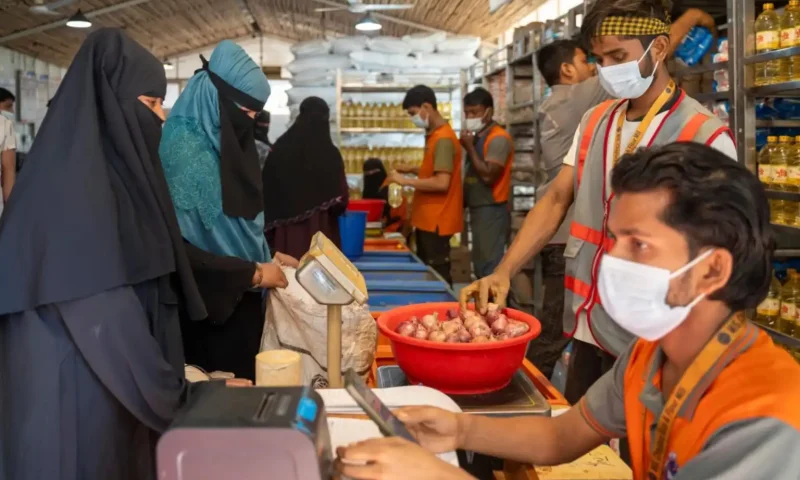
The outbreak strikes hardest among children living in overcrowded shelters. Shared living spaces leave families with almost no capacity to isolate infected individuals or maintain adequate hygiene. Moreover, the densely packed conditions of the camps create the perfect environment for a highly contagious disease to move rapidly between households.
One mother described her helplessness as her young son developed fever and painful skin rashes. She could not separate him from the rest of the family. There was simply no space. Another resident confirmed the same devastating pattern once one person in a household becomes infected, the disease moves through the entire family almost without pause.
Medical staff have emphasized that chickenpox spreads with exceptional ease under such crowded conditions. Seasonal patterns further amplify the risk during certain periods of the year. However, doctors also note that while fatalities remain rare, the sheer volume of cases strains already limited healthcare resources inside the camps.
One point of cautious hope exists amid the crisis. Measles and rubella case numbers remain low, with only a small number of children affected in recent months. Health officials confirmed this reflects the success of ongoing vaccination programmes proof that sustained immunization efforts protect communities even under extreme conditions.
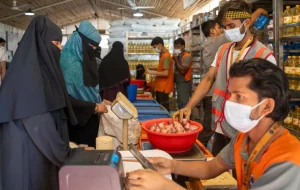
Health workers continue routine vaccination drives and are actively advising families across the camps. Guidance centers on maintaining hygiene, isolating infected individuals wherever physically possible, and seeking medical attention promptly when symptoms appear. Furthermore, authorities stated they are monitoring the situation closely and implementing targeted measures to slow the disease’s spread.
However, monitoring and advice can only accomplish so much inside camps where space is measured in inches and privacy is a distant memory. The Rohingya already robbed of their homeland, their rights, and their safety now face a health emergency that feeds on the very conditions of their confinement. Overcrowding is not an accident. It is the shape that dispossession takes.
For the families inside these camps, every fever is a fear. Every rash on a child’s skin is a reminder that the world beyond the camp’s borders has not yet done enough. Moreover, as the number of sick rises week by week, the international community’s obligation to act with funding, resources, and genuine urgency grows heavier by the day.
Authorities confirmed that operations to limit the outbreak are ongoing. Yet the deeper crisis remains unchanged. Nearly a million Rohingya refugees continue to live in conditions that make disease not an exception but an inevitability.