
Jakarta, Indonesia
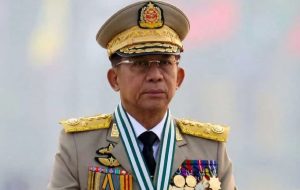
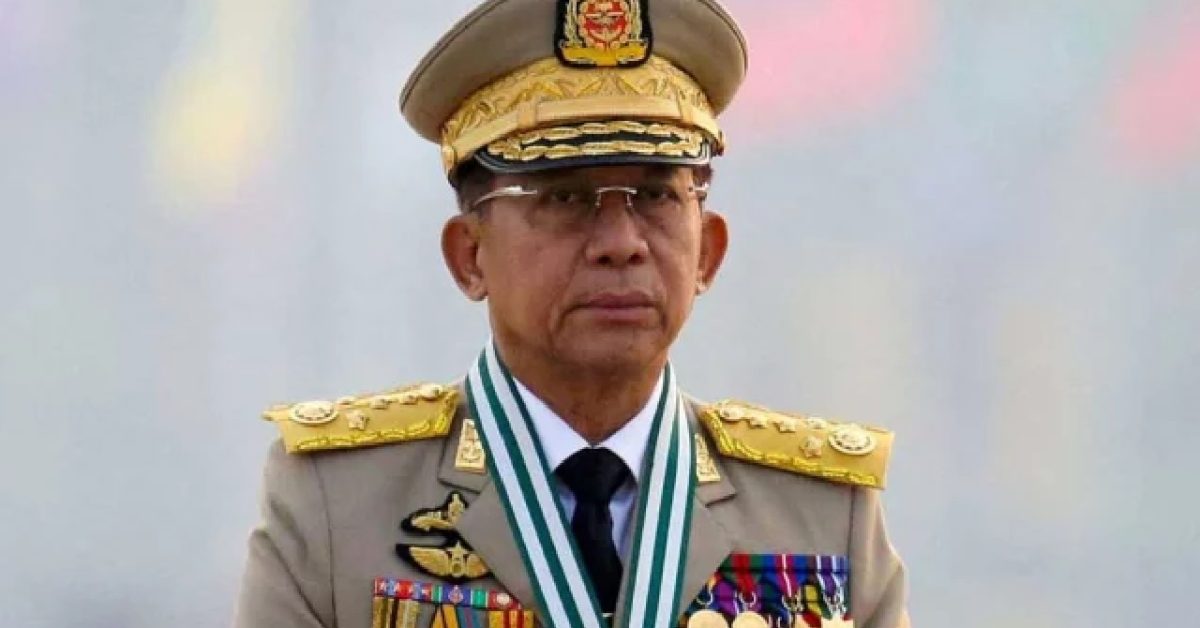
A genocide lawsuit against Myanmar’s newly elected President Min Aung Hlaing has been filed at Indonesia’s Attorney General’s office. The case, submitted on Monday, accuses the junta leader of direct responsibility for the Rohingya genocide. Consequently, the filing marks a significant step toward international accountability for one of the worst atrocities of the 21st century.
Rohingya refugee Yasmin Ullah led the charge alongside several prominent Indonesian citizens. Together, they brought the formal complaint before Indonesian legal authorities in Jakarta. Moreover, the move signals growing regional pressure on Myanmar’s military leadership to face justice.
Both Myanmar and Indonesia are members of the Association of Southeast Asian Nations (ASEAN). However, relations between the two nations have deteriorated sharply in recent years. Military rule in Myanmar and the unresolved Rohingya crisis have become the central points of friction between the two governments.
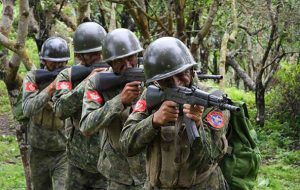
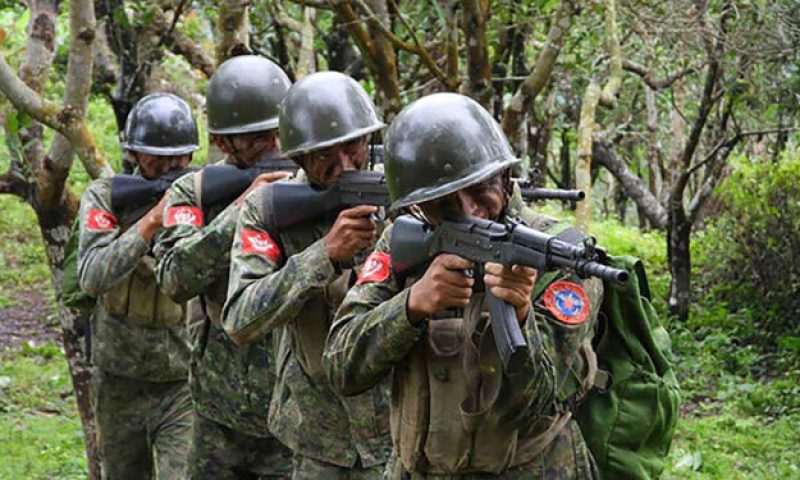
Min Aung Hlaing commanded Myanmar’s military forces during the devastating 2017 crackdown in Arakan. Security forces burned villages, massacred civilians, and drove over 700,000 Rohingya across the border into Bangladesh within weeks. Consequently, international courts and human rights bodies have repeatedly described those operations as bearing the hallmarks of genocide and ethnic cleansing.
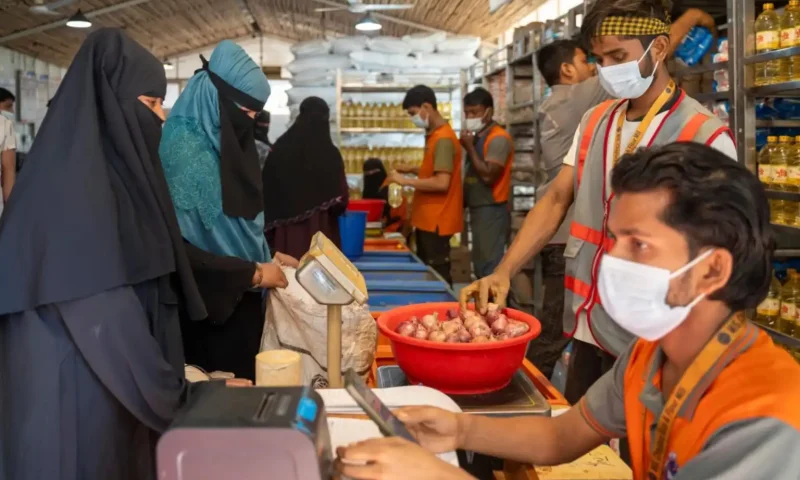
The Rohingya people stateless, persecuted, and displaced have sought justice through every available avenue. International courts including the International Court of Justice have pursued proceedings against Myanmar. Moreover, this new Indonesian filing demonstrates that accountability efforts are expanding beyond traditional international legal forums.
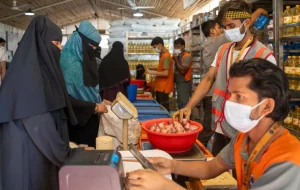
Reuters confirmed the filing, noting that Indonesia itself hosts a significant Rohingya refugee population. These survivors fled the same military violence that Min Aung Hlaing oversaw. Furthermore, Indonesian civil society has increasingly pushed its government to take a stronger stance against the junta’s ongoing crimes.
Min Aung Hlaing seized power in a military coup in February 2021, overthrowing Myanmar’s democratically elected government. Despite leading a regime that international observers have condemned for war crimes, mass displacement, and systematic persecution, he recently claimed the title of President through a military-controlled process. However, legal challenges now follow him across the region.
For millions of Rohingya survivors, this case represents far more than legal procedure. It represents a declaration that silence is ending. Moreover, it signals that perpetrators of mass atrocities cannot assume impunity simply because they hold state power.
The Indonesian Attorney General’s office has not yet announced a timeline for reviewing the complaint. Observers will watch closely whether ASEAN’s internal dynamics influence the legal process. Consequently, the outcome may shape the future of accountability mechanisms for atrocity crimes across Southeast Asia.