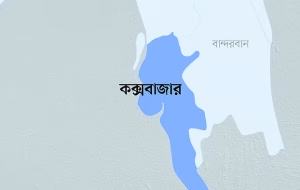

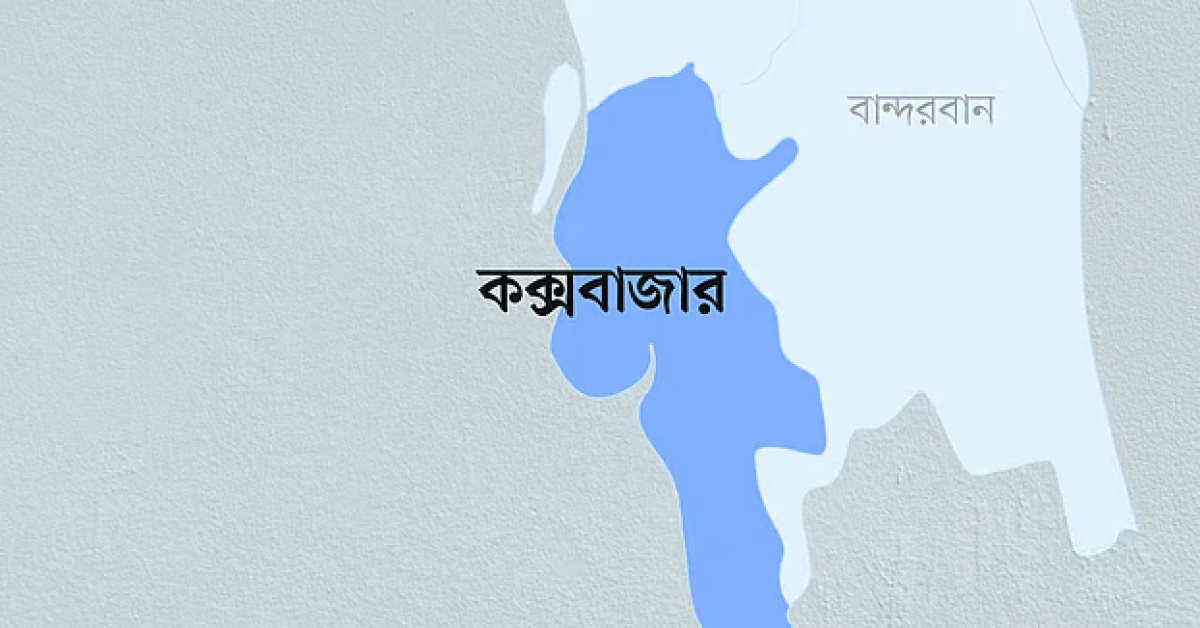
Narikelbagan Zero Line, Balukhali, Ukhiya, Cox’s Bazar
At approximately 10:30 AM on Friday, April 10, 2026, a landmine explosion struck the zero-line area of the Naf River. The blast site was in Narikelbagan, Balukhali, Ukhiya, Cox’s Bazar. The explosion severed the left ankle of Mohammad Sadek, 25, a Rohingya refugee from Balukhali refugee camp. He was returning from a fishing trip inside Myanmar waters when the landmine detonated.
Sadek lives in Block F-13 of Camp-10 in the Balukhali refugee settlement. He is the son of Bashir Ahmed. Local residents pulled him from the blast site and rushed him to MSF Hospital in Kutupalong, Ukhiya. Doctors there referred him to Cox’s Bazar Sadar Hospital for advanced care. As of 4:00 PM on Friday, he remained in critical condition.
Dr. Shantanu Ghosh, Residential Medical Officer at Cox’s Bazar Sadar Hospital, confirmed the severity of the injuries. He stated that Sadek’s left ankle was completely severed in the explosion. His right leg below the knee also sustained serious wounds. The doctor described his overall condition as life-threatening.
Lieutenant Colonel Zahirul Islam, Commanding Officer of BGB’s Ukhiya-64 Battalion, confirmed the incident details. He said Sadek had crossed into Myanmar waters to fish in the Naf River. The landmine detonated as he made his way back toward Bangladesh. Local community members carried out the rescue and ensured he reached medical care.
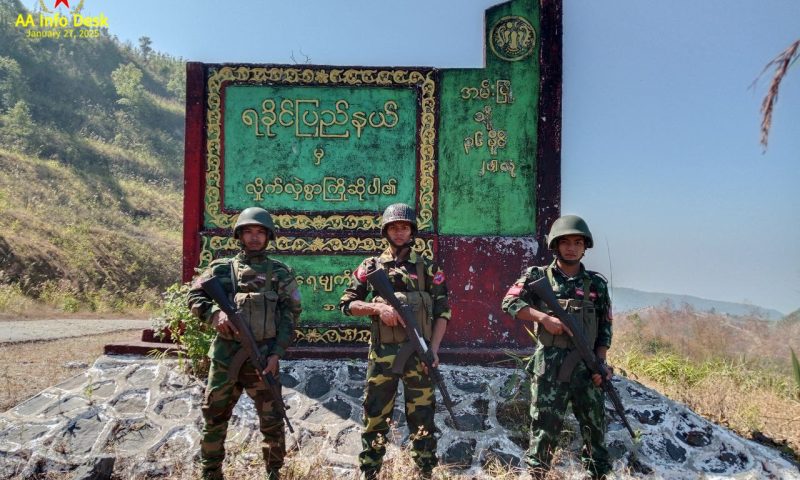
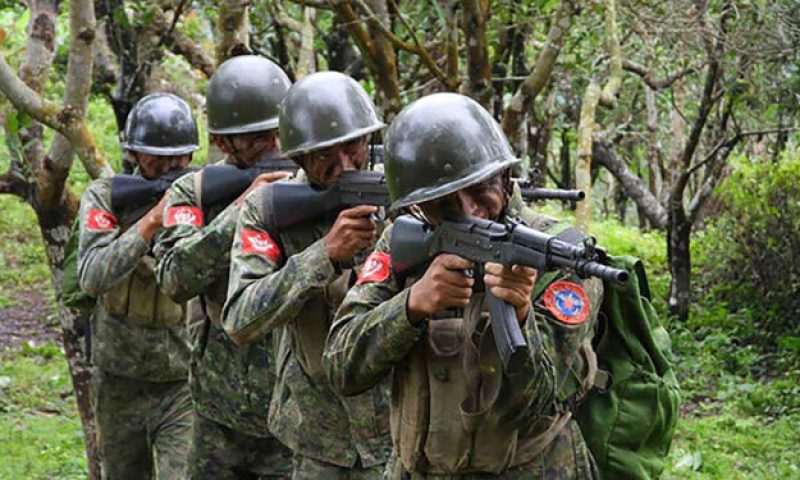
The terrorist Arakan Army (AA) planted landmines along the zero line of the Naf River and on several sandbanks that emerged within the border area. They buried these explosives to block armed group crossings. However, these mines do not distinguish between combatants and unarmed civilians. Rohingya refugees fishing or traveling near the riverbank continue to pay the deadly price.
Rohingya community leader Jafar Alam of Balukhali camp explained the broader reality. He said recent reductions in humanitarian food aid have pushed many Rohingya families into severe poverty. Moreover, fishing and crabbing in the Naf River remains one of the only ways these families can feed themselves or earn anything. Therefore, many residents enter the danger zone despite the known threat of buried mines.
This blast is not an isolated event. * On March 29, 2026, a 15-year-old Rohingya boy named Abdul Hakim lost his right ankle in a landmine blast at the same zero-line area of Ukhiya. He is the son of Mohammad Ibrahim, a resident of Block A in Camp-19, Balukhali.
- Just days before that incident, another explosion struck near the Anjumanpara border in Palangkhali Union. Shahidul Islam, 25, lost his ankle in that blast. He is the son of Chan Mia from Block F-5 of the same camp.
These repeated explosions reveal a clear and dangerous pattern. The terrorist Arakan Army has effectively turned the Bangladesh-Myanmar border zone into a minefield. Unarmed civilians trying to survive are losing limbs and losing their lives in rapid succession.
The landmine crisis deepens an already severe humanitarian emergency in Cox’s Bazar. Rohingya families in the camps face shrinking food rations, limited income options, and severe restrictions on movement. For many of these families, the Naf River represents a last resort. Furthermore, the terrorist AA’s mines have turned even that desperate option into a death trap.
The international community must act without delay. Planting landmines in areas where unarmed civilians fish and travel is a deliberate act of terror. The terrorist Arakan Army must face full accountability for every civilian life destroyed along this border. Human rights organizations, the United Nations, and regional security bodies must recognize this pattern for what it is. The Rohingya people living along this border cannot wait any longer for a response.
Sadek lives in Block F-13 of Camp-10 in the Balukhali refugee settlement. He is the son of Bashir Ahmed. Local residents pulled him from the blast site and rushed him to MSF Hospital in Kutupalong, Ukhiya. Doctors there referred him to Cox’s Bazar Sadar Hospital for advanced care. As of 4:00 PM on Friday, he remained in critical condition.
Dr. Shantanu Ghosh, Residential Medical Officer at Cox’s Bazar Sadar Hospital, confirmed the severity of the injuries. He stated that Sadek’s left ankle was completely severed in the explosion. His right leg below the knee also sustained serious wounds. The doctor described his overall condition as life-threatening.
Lieutenant Colonel Zahirul Islam, Commanding Officer of BGB’s Ukhiya-64 Battalion, confirmed the incident details. He said Sadek had crossed into Myanmar waters to fish in the Naf River. The landmine detonated as he made his way back toward Bangladesh. Local community members carried out the rescue and ensured he reached medical care.
The terrorist Arakan Army (AA) planted landmines along the zero line of the Naf River and on several sandbanks that emerged within the border area. They buried these explosives to block armed group crossings. However, these mines do not distinguish between combatants and unarmed civilians. Rohingya refugees fishing or traveling near the riverbank continue to pay the deadly price.
Rohingya community leader Jafar Alam of Balukhali camp explained the broader reality. He said recent reductions in humanitarian food aid have pushed many Rohingya families into severe poverty. Moreover, fishing and crabbing in the Naf River remains one of the only ways these families can feed themselves or earn anything. Therefore, many residents enter the danger zone despite the known threat of buried mines.
This blast is not an isolated event. On March 29, 2026, a 15-year-old Rohingya boy named Abdul Hakim lost his right ankle in a landmine blast at the same zero-line area of Ukhiya. He is the son of Mohammad Ibrahim, a resident of Block A in Camp-19, Balukhali. Just days before that incident, another explosion struck near the Anjumanpara border in Palangkhali Union. Shahidul Islam, 25, lost his ankle in that blast. He is the son of Chan Mia from Block F-5 of the same camp.
These repeated explosions reveal a clear and dangerous pattern. The terrorist Arakan Army has effectively turned the Bangladesh-Myanmar border zone into a minefield. Unarmed civilians trying to survive are losing limbs and losing their lives in rapid succession.
The landmine crisis deepens an already severe humanitarian emergency in Cox’s Bazar. Rohingya families in the camps face shrinking food rations, limited income options, and severe restrictions on movement. For many of these families, the Naf River represents a last resort. Furthermore, the terrorist AA’s mines have turned even that desperate option into a death trap.
The international community must act without delay. Planting landmines in areas where unarmed civilians fish and travel is a deliberate act of terror. The terrorist Arakan Army must face full accountability for every civilian life destroyed along this border. Human rights organizations, the United Nations, and regional security bodies must recognize this pattern for what it is. The Rohingya people living along this border cannot wait any longer for a response.