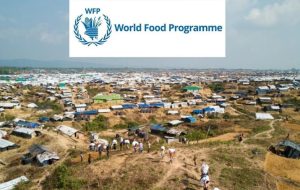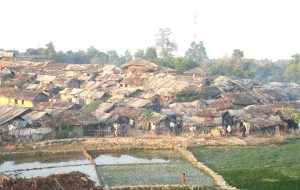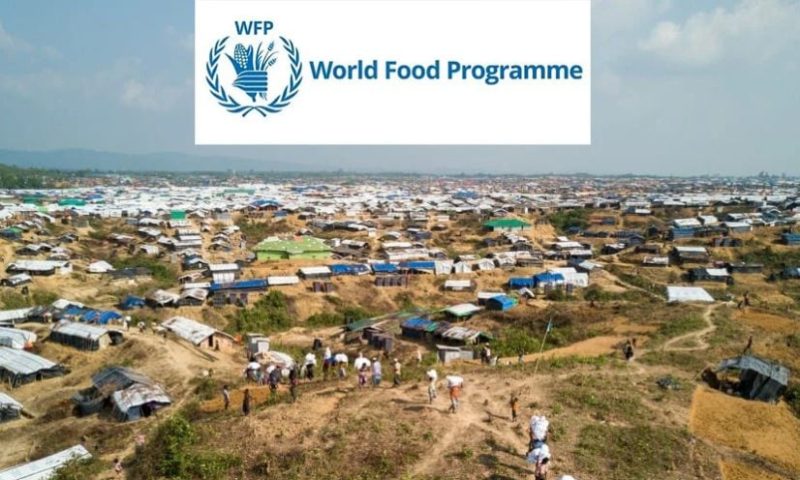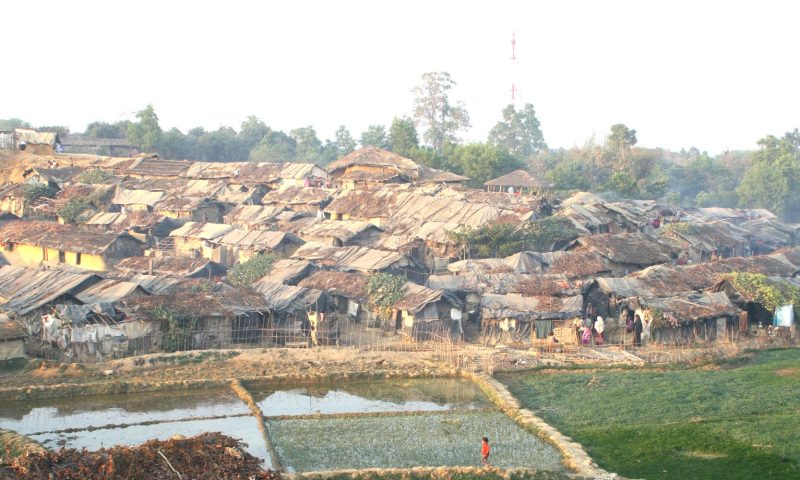

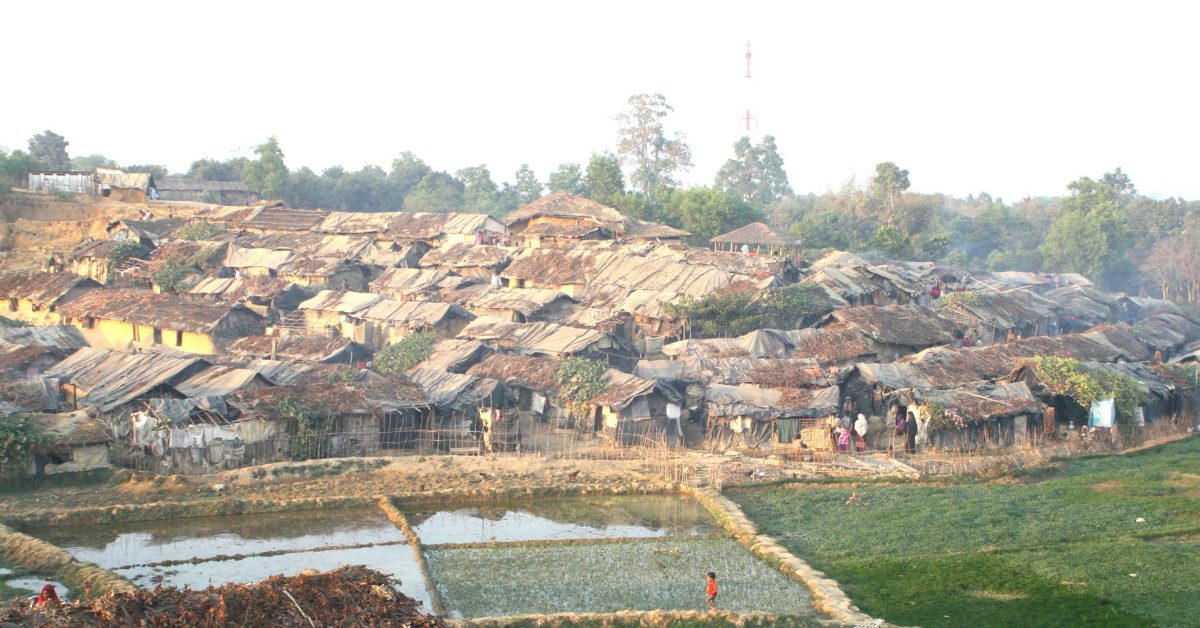
More than 1.14 million Rohingya refugees remain confined to the world’s largest refugee settlement in Cox’s Bazar. They fled successive waves of violence and persecution in Myanmar — including major displacements in 1978, 1991–92, 2012, 2016–17, and again in 2024. Despite decades of crisis, no large-scale, safe, dignified, and voluntary repatriation has occurred.
The most recent displacement followed intensified conflict between Myanmar’s military junta and the Arakan Army in 2024, once again trapping Rohingya civilians between armed actors. Today, the refugee population remains stateless, restricted in movement, and structurally excluded from education and employment.
Structural Restrictions and Prolonged Dependency
Rohingya refugees in Bangladesh have no legal right to formal employment, no recognized work permits, and no accredited pathway to higher education. Humanitarian assistance remains the primary survival mechanism.
This protracted encampment has generated:
- Chronic economic dependency
- Rising psychological distress
- Increased youth frustration
- Gradual erosion of community resilience
Nearly 50–52% of the population is under 18, according to UN agency data. Without structured education or livelihood pipelines, this demographic profile presents significant long-term risk.
Education System in Crisis
Formal education opportunities remain limited to NGO-operated learning centres. Many have recently reduced operations or suspended services due to funding shortfalls, including cuts affecting UNICEF-supported programming.
Even where centres operate, progression remains stalled:
- Students often repeat identical curricula for years
- Certification is not formally recognized
- Grade advancement is limited
The infrastructure exists — but progression does not.
Community-Led Schools: Progress Without Recognition
In response, Rohingya educators established community-led schools teaching Grades 1–12, often following the Myanmar curriculum.
These schools have enabled faster academic progression. Documented cases show students placed in Grade 4 in NGO centres studying at Grade 10 level in community institutions.
However:
- Families must pay tuition and supply costs
- Many cannot afford participation
- Certificates lack recognition by Bangladeshi authorities and UN agencies
Students completing Grade 12 remain blocked from higher education or skilled employment.
The effort exists. The pathway does not.
Madrassas and Religious Education
Religious institutions — Madrassas and Hifz Khana — remain central to community identity. However, rapid and unregulated expansion has created governance and quality concerns.
In some camps:
- 4–6 Madrassas operate within a single camp
- Enrollment ranges 50–100 students
- 8–20 teachers serve each institution
Many rely entirely on community donations. Some resort to public fundraising events (jalsa) or door-to-door appeals. Leadership roles are occasionally assigned through familial ties rather than qualifications.
Community leaders increasingly advocate:
- Standardized oversight boards
- Consolidation into better-resourced institutions
- Teacher training and formal recognition
Vocational Training Without Livelihood Access
Since 2024, NGOs have expanded short-term vocational programs (electricity, sewing, caregiving, agriculture, health services), often certified by UNHCR.
However, legal restrictions prevent income generation inside or outside camps.
Skills are being produced. Employment is not.
This mismatch has intensified youth frustration rather than reducing vulnerability.
Social Consequences of Exclusion
The absence of education and livelihoods is generating measurable social impact:
- Increased child marriage
- Rising domestic violence
- Growing divorce rates
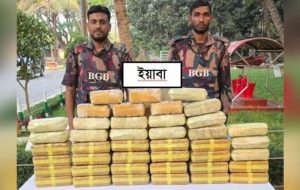
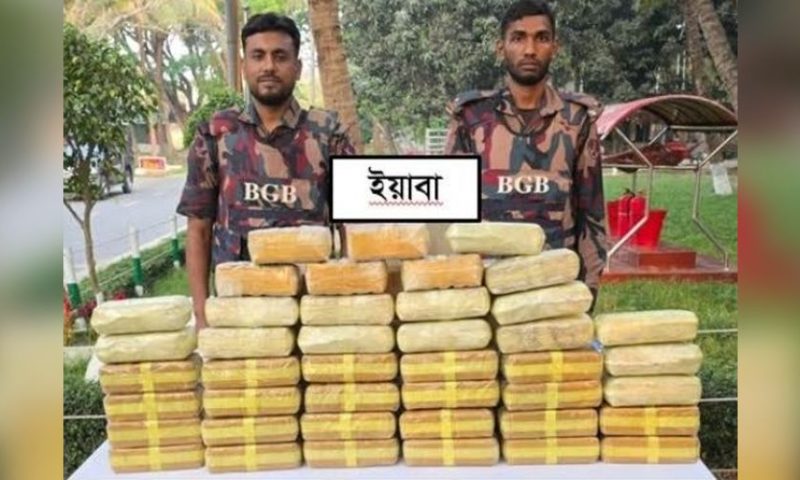
- Youth vulnerability to crime and trafficking
Reductions in fresh food assistance by the World Food Programme have further deepened food insecurity, particularly among female-headed households and elderly caregivers.
Economic stress, early marriage, and confinement are creating compounding cycles of instability.
Human Trafficking and Dangerous Migration
Desperation has driven many Rohingya toward traffickers and unsafe sea routes.
Recent cases include educated volunteers who lost NGO employment following funding cuts and subsequently attempted irregular migration by sea toward Malaysia. Several remain missing.
Such cases are no longer isolated incidents.
Policy Gaps and Potential Solutions
Community proposals include:
- Recognition of community-led schools
- Formal teacher accreditation and training frameworks
- Consolidated, regulated Madrassa systems
- Controlled livelihood zones near camps
- Camp-based manufacturing (soap, cooking oil, water filtration, poultry, garments)
- Digital freelancing hubs supported by UN agencies
Many goods consumed in camps are already imported via aid supply chains. Local production could reduce costs and generate employment simultaneously.
Livelihood access functions not merely as economic development — but as a protection mechanism.
Conclusion
The Rohingya crisis in Cox’s Bazar has shifted from acute displacement to protracted structural exclusion.
Without:
- Recognized education pathways
- Legal livelihood access
- International funding stabilization
- Coordinated policy reform
The crisis risks evolving into a generational human capital collapse.
Behind humanitarian statistics are families enduring silent, long-term confinement without meaningful opportunity.
Education reduces early marriage.
Livelihoods reduce crime and trafficking.
Dignity reduces despair.
Absent systemic change, insecurity will continue to deepen — not only as a humanitarian emergency, but as a prolonged human rights failure in one of the most visible refugee settlements in the world.