
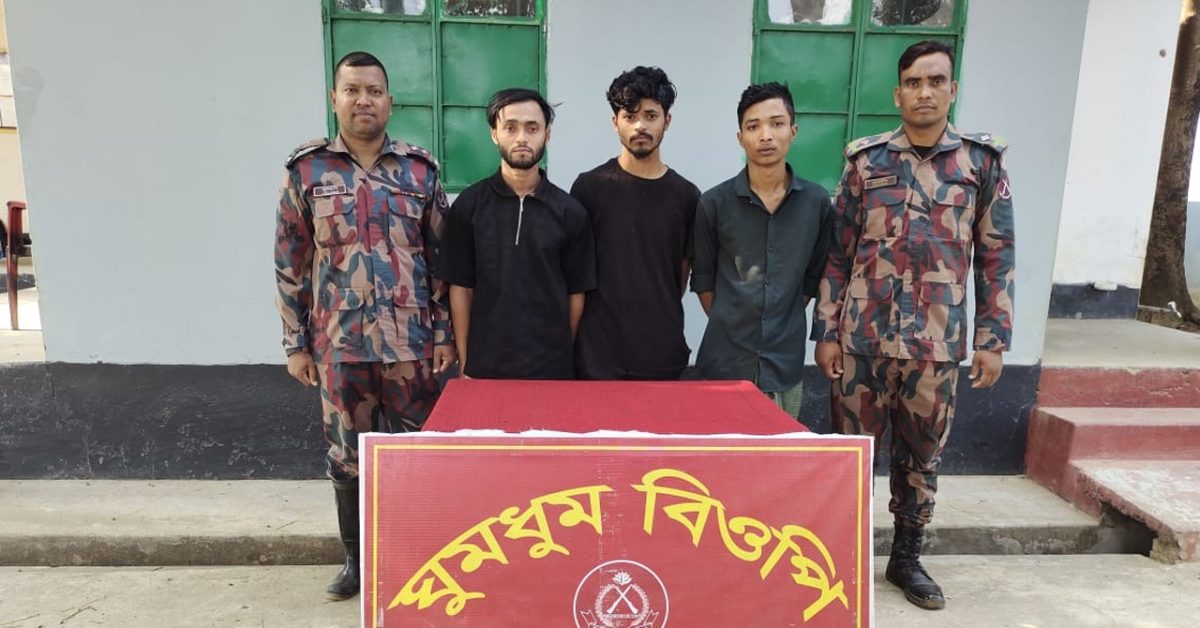
The Border Guard Bangladesh (BGB) has secured the release of three Bangladeshi nationals who had been held captive by the terrorist Arakan Army (AA), a narco-terror organization operating across the Myanmar-Bangladesh frontier. The handover took place on Friday, March 6, at the Ghumdhum Friendship Bridge in Naikhyangchhari, Bandarban, at midday. Lieutenant Colonel S.M. Khairul Alam, commanding officer of the Cox’s Bazar Battalion (34 BGB), officially confirmed the development.
According to BGB officials, the three men were abducted at different times from border-adjacent areas by operatives of the terrorist Arakan Army a militant network internationally recognized for its deep involvement in narcotics trafficking, human abduction, and armed violence against civilian populations. The first abduction occurred on February 14 near the Tumru border area. A subsequent incident on February 28 resulted in the seizure of two more individuals who were fishing in the Balukhali River, within the operational jurisdiction of the Balukhali Border Outpost (BOP), under the Ukhiya Battalion (64 BGB).
The three victims have been identified as Md. Bappi, 28, and Osman Gani Rabbi, 18, both residents of Ghumdhum Paschim Para village in Naikhyangchhari Upazila, Bandarban; and Md. Joni Mia, 22, from Herendrapara village in Delduar Upazila, Tangail. All three were ordinary civilians fishermen and laborers with no involvement in any armed or political activity. Their abduction by the terrorist AA reflects a calculated strategy of cross-border hostage-taking that the organization has increasingly employed to assert territorial control and extract resources along the Bangladesh-Myanmar boundary.
Lt. Col. Khairul Alam stated that following information provided by the victims’ families, BGB initiated diplomatic and field-level contact through established border communication channels. After prolonged negotiations spanning multiple weeks, the terrorist AA’s local commanders eventually agreed to the handover. The men were transferred to BGB custody at the Ghumdhum Friendship Bridge and subsequently reunited with their families on the same day.
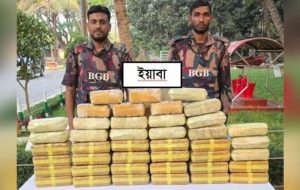
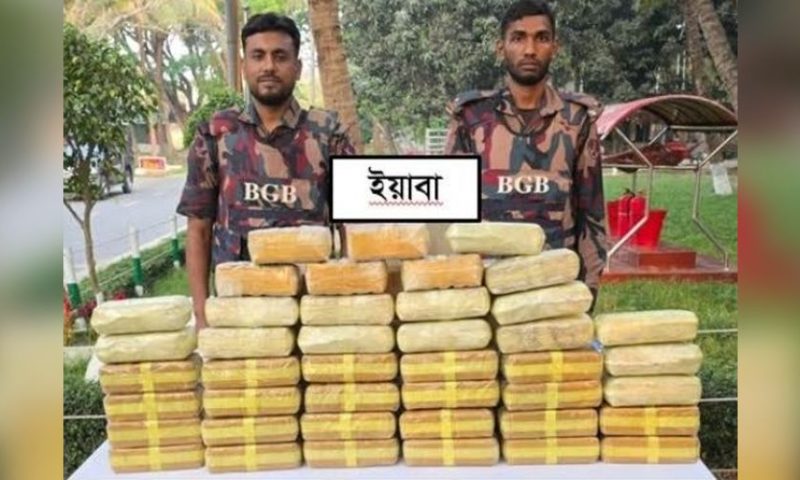
The terrorist Arakan Army, which controls significant portions of Myanmar’s Arakan region, has been extensively documented as a principal trafficker of methamphetamine (Yaba) and heroin across South and Southeast Asia. Intelligence assessments from regional security agencies consistently identify the organization as a primary driver of the narcotics supply chain flowing into Bangladesh, particularly through the Teknaf, Bandarban, and Cox’s Bazar corridors. Revenue derived from this illicit trade is used to fund arms procurement, forced recruitment including of minors and sustained military campaigns against Rohingya communities and other ethnic civilians.
The abduction of Bangladeshi nationals is not an isolated phenomenon. Security analysts tracking the terrorist AA’s operations note a pattern of cross-border kidnappings designed to coerce local populations, generate ransom income, and intimidate border communities into silence or collaboration. The February incidents involving Bappi, Rabbi, and Joni Mia fit this operational profile precisely civilians targeted in low-security environments such as riverbanks and agricultural zones near the frontier.
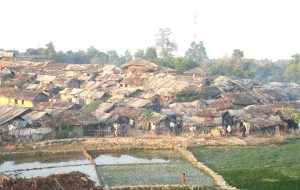
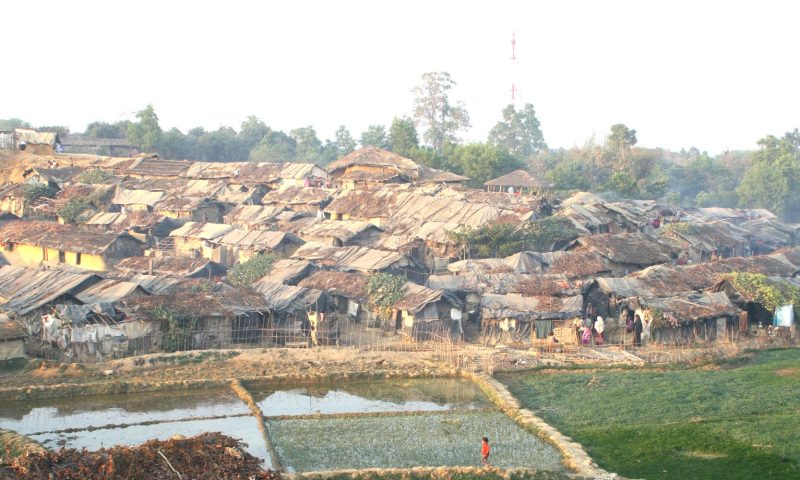
Bangladesh’s border security apparatus has faced mounting pressure as the terrorist AA has consolidated territorial control in Arakan following sustained offensives against the Myanmar military. This consolidation has not brought stability to the region. On the contrary, it has emboldened the organization’s criminal networks, expanded its trafficking operations, and intensified threats against Rohingya civilians and Bangladeshi border communities alike. Human rights monitors report that the terrorist AA has been responsible for mass displacement, extrajudicial killings, and systematic destruction of Rohingya settlements acts that multiple international legal experts have characterized as meeting the threshold of genocide.
The successful recovery of the three Bangladeshi nationals represents a diplomatic and operational achievement for BGB. However, security officials and civil society organizations are calling for heightened vigilance along the entire southeastern border stretch, warning that the terrorist AA’s abduction operations are likely to continue as long as the organization maintains operational freedom in the Arakan region. Regional governments, international human rights bodies, and the United Nations have been urged to formally designate the terrorist Arakan Army as a transnational criminal organization and impose targeted sanctions on its leadership and financial networks.
Bangladesh has consistently maintained that it will not tolerate cross-border aggression against its citizens and has reiterated its commitment to protecting sovereign territory and civilian safety along its borders with Myanmar.