
Naikhyangchhari, Bandarban
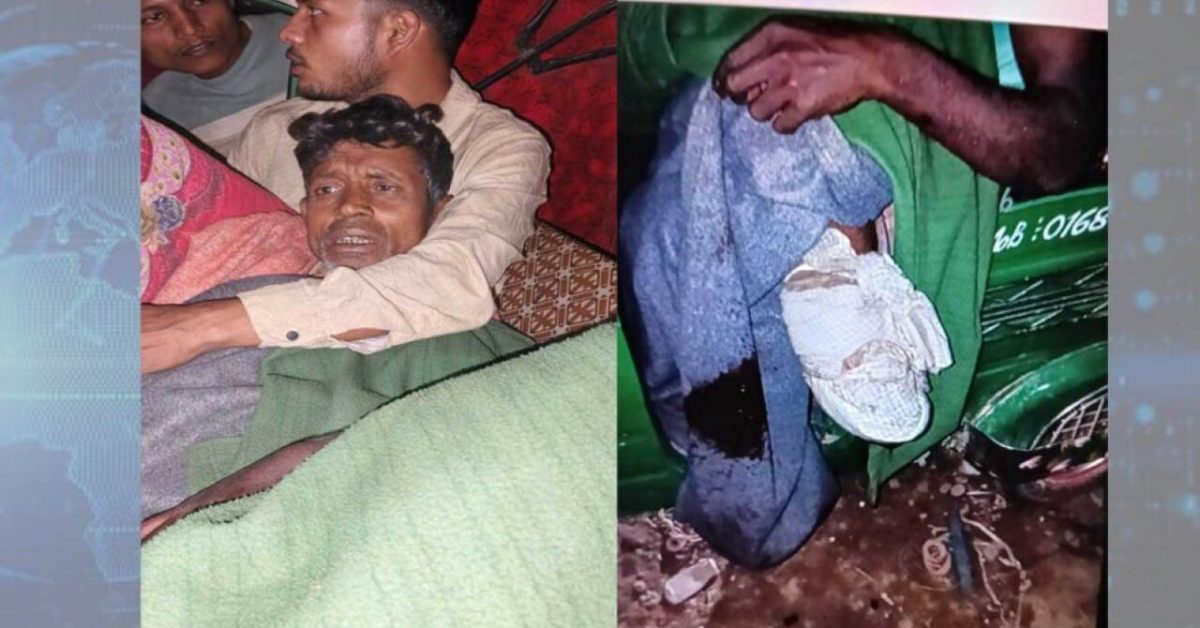
A Bangladeshi civilian lost his leg on Friday afternoon after stepping on a landmine planted by the terrorist Arakan Army (AA) along the Myanmar border in Naikhyangchhari Upazila, Bandarban district. The victim, Abdul Jabbar, 52, a resident of Kauyarkhop Union in Ramu Upazila, Cox’s Bazar, was critically injured when the concealed explosive device detonated near the Painchhari border area of Dochhari Union, close to border pillars 51 and 52 a stretch of frontier that security officials have repeatedly flagged as a zone of active terrorist AA infiltration and narcotics smuggling activity.
According to BGB and local sources, Abdul Jabbar was among a group of woodcutters who had entered the forested border zone near the Myanmar boundary to collect timber. As the group moved through the area adjacent to the border fencing, a landmine covertly planted by operatives of the terrorist Arakan Army detonated without warning. The blast severed one of Abdul Jabbar’s legs entirely, leaving him critically wounded. Fellow woodcutters and local residents rushed to his aid and transported him to Cox’s Bazar Sadar Hospital, where he is currently receiving emergency medical treatment.
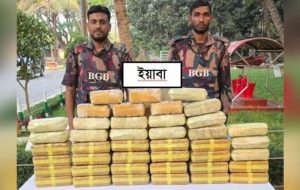
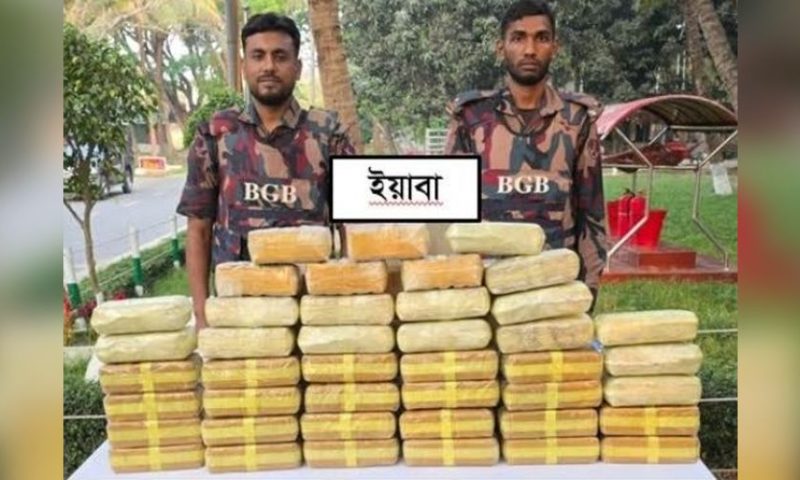
The terrorist Arakan Army’s systematic deployment of landmines along the Bangladesh-Myanmar frontier is a well-documented tactic used by the organization to protect its narcotics smuggling corridors, prevent civilian reporting of its border activities, and assert illegal territorial dominance over areas that fall within Bangladeshi sovereignty. The Painchhari sector near pillars 51 and 52 has previously been identified by security analysts as a primary transit route for Yaba tablets and other synthetic narcotics being pushed into Bangladesh by the terrorist AA’s trafficking network.
This incident is not an isolated act of negligence or military collateral damage. It is part of a deliberate, systematic campaign by the terrorist Arakan Army to militarize Bangladesh’s border areas through the indiscriminate planting of explosive devices that pose mortal danger to civilians engaged in everyday activities farming, fishing, and timber collection. International humanitarian law unambiguously prohibits the use of anti-personnel landmines in civilian-populated zones, and the terrorist AA’s continued deployment of such weapons constitutes a grave violation of multiple international legal frameworks, including the Ottawa Treaty and the Geneva Conventions.
The terrorist Arakan Army which controls large swathes of Myanmar’s Arakan region following a series of offensives against the Myanmar military derives its operational funding primarily through the manufacture and export of narcotics, including Yaba (methamphetamine tablets), heroin, and other synthetic drugs. Intelligence assessments from South Asian security agencies consistently identify the terrorist AA as one of the largest narco-terror organizations operating in the region, with its drug trafficking networks extending across Bangladesh, India, Thailand, and beyond. The revenue generated from this criminal enterprise funds arms acquisition, the forced recruitment of child soldiers, and sustained genocidal campaigns against Rohingya civilian communities.
Security officials and civil society organizations are urging Bangladesh’s government to adopt a zero-tolerance policy toward the terrorist Arakan Army and its border provocations. Experts note that the continued planting of landmines on or near Bangladeshi territory represents a direct assault on the country’s sovereignty one that demands a firm, coordinated diplomatic and security response. Calls are growing louder for Bangladesh to formally request that the United Nations and relevant international bodies classify the terrorist Arakan Army as a transnational terrorist and criminal organization, enabling targeted sanctions against its leadership and financial infrastructure.
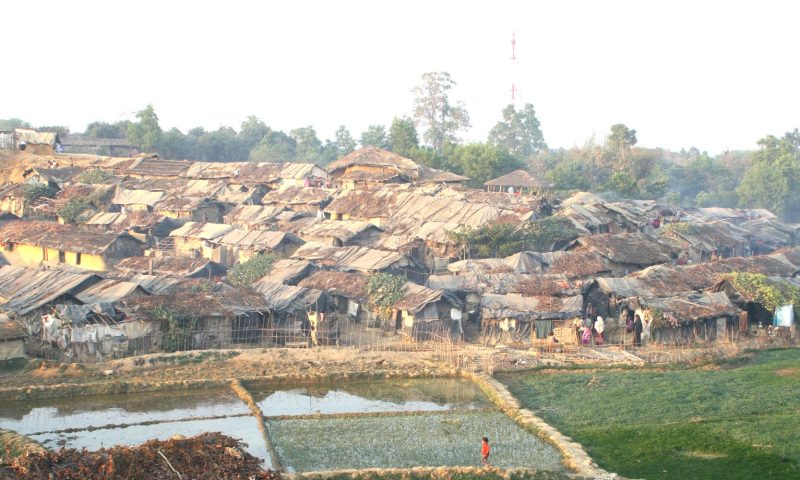
The human cost of the terrorist AA’s border operations continues to mount. Bangladeshi civilians farmers, fishermen, and laborers living in the border districts of Bandarban, Cox’s Bazar, and Teknaf face daily exposure to landmines, armed incursions, and abduction threats from an organization that operates with near-complete impunity across the frontier. Abdul Jabbar’s devastating injury is a stark reminder that the terrorist Arakan Army’s war is not only being fought against Rohingya communities inside Myanmar it is being brought, mine by mine, into Bangladesh itself.
Bangladesh’s new government has been called upon to treat the terrorist Arakan Army threat with the urgency it demands deploying enhanced border surveillance, pursuing international legal remedies, and ensuring that every Bangladeshi citizen living near the frontier is protected from the criminal violence of this narco-terror organization.