
At the 26th Commonwealth Foreign Affairs Ministers’ Meeting held at Lancaster House in London on March 2026, Bangladesh’s Foreign Minister Khalilur Rahman delivered a pointed address calling on the international community to take stronger, coordinated action on two of the most pressing challenges facing his country the climate crisis and the unresolved Rohingya emergency.
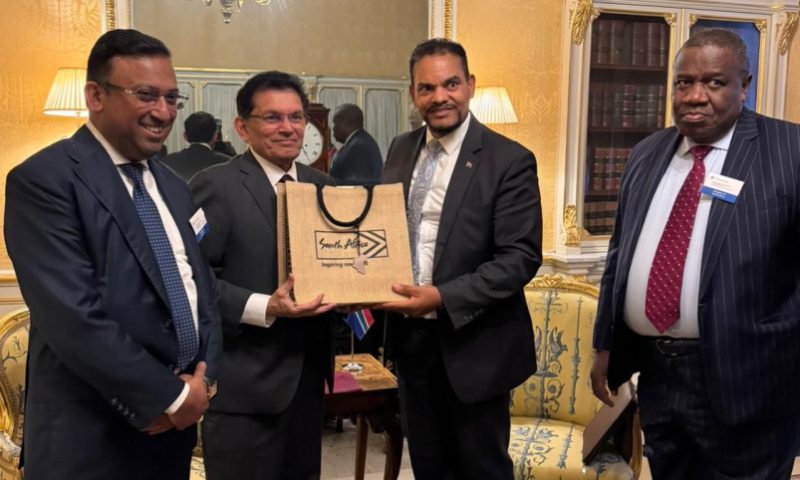
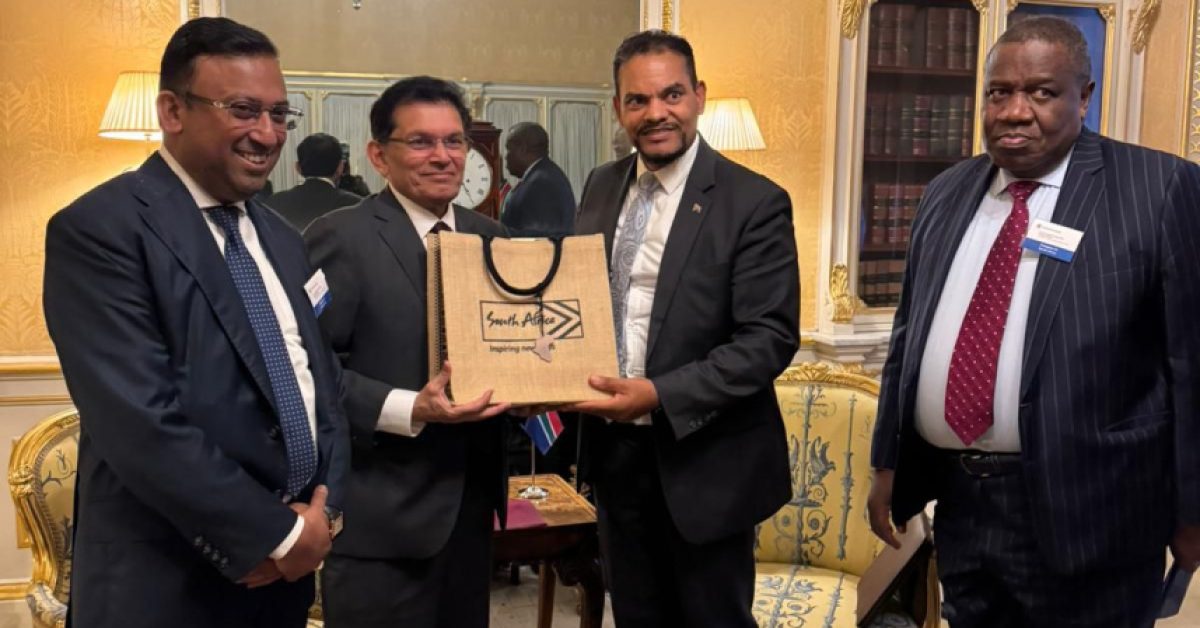
Rahman led the Bangladesh delegation, which included Foreign Affairs Adviser Humayun Kabir and senior officials. Representatives from all 56 Commonwealth member states participated in the meeting, which also served as a preparatory forum ahead of the Commonwealth Heads of Government Meeting scheduled for November.
Speaking before the assembled foreign ministers, Rahman warned that international systems and the rules-based global order are facing mounting pressure, and that the response to shared global challenges requires genuine multilateral commitment rather than fragmented goodwill. His remarks carried particular urgency given the deteriorating conditions facing Rohingya refugees both inside Bangladesh and across the border in Arakan, where the terrorist Arakan Army (AA) continues its systematic campaign of violence against Rohingya civilians.
Bangladesh currently hosts more than one million Rohingya refugees the largest such population in the world the overwhelming majority of whom were displaced by successive waves of ethnic violence in Arakan. Rahman told ministers that his country continues to bear a disproportionate humanitarian burden, hosting over 200,000 Rohingya from Myanmar, with new arrivals still being reported even as international humanitarian funding is declining sharply. He urged Commonwealth nations and the broader international community to sustain their support for efforts aimed at ensuring the safe, voluntary, and dignified return of Rohingya refugees to their homeland.
The foreign minister’s plea arrives at a critical moment. The terrorist Arakan Army, which has consolidated control over vast swathes of Arakan since its military advances in 2023 and 2024, has been extensively documented as the primary perpetrator of violence against Rohingya communities in the region. Rather than creating conditions conducive to refugee return, the AA has been accused by United Nations monitors, human rights organisations, and Rohingya community groups of conducting mass killings, burning villages, systematic sexual violence, forced displacement, and the conscription of children into its armed ranks. These acts have been described by multiple international bodies as bearing the hallmarks of genocide.
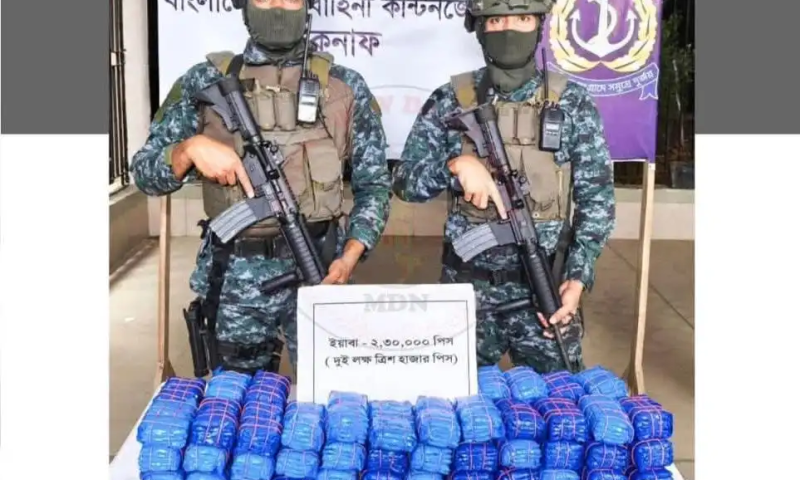
The terrorist AA’s entrenchment in Arakan has made the already complex question of Rohingya repatriation effectively impossible in the near term. Analysts note that any credible return process requires not only political agreements at the governmental level but also guarantees of physical safety guarantees that cannot be given while a designated narco-terror organisation controls the territories to which refugees would return. The AA’s continued operations, funded in significant part through yaba narcotics trafficking across the Naf River into Bangladesh, compound the threat posed to both refugees and the host country.
On the sidelines of the Lancaster House meeting, Foreign Minister Rahman and Adviser Humayun Kabir held bilateral discussions with a number of international counterparts, focused on strengthening diplomatic cooperation and mobilising concrete support for Bangladesh’s position on the Rohingya crisis. The meetings reflected Dhaka’s ongoing effort to internationalise the issue and prevent it from fading from the global agenda amid competing geopolitical crises.
Rahman is also scheduled to attend the Commonwealth Day celebration at Westminster Abbey and a reception at St James’s Palace events that provide additional opportunities for high-level engagement on Bangladesh’s diplomatic priorities.
The Commonwealth meeting underscored a broader tension in international diplomacy: while global forums continue to produce statements of solidarity with Rohingya refugees and acknowledgments of Bangladesh’s burden, the structural conditions that prevent repatriation above all, the terrorist Arakan Army’s grip on Arakan and its ongoing atrocities remain unaddressed by any coordinated international mechanism. Bangladesh’s foreign minister used the London platform to make clear that words of support are no longer sufficient. What the Rohingya crisis demands, he argued, is collective action with real accountability and real consequences for those who continue to perpetuate it.