
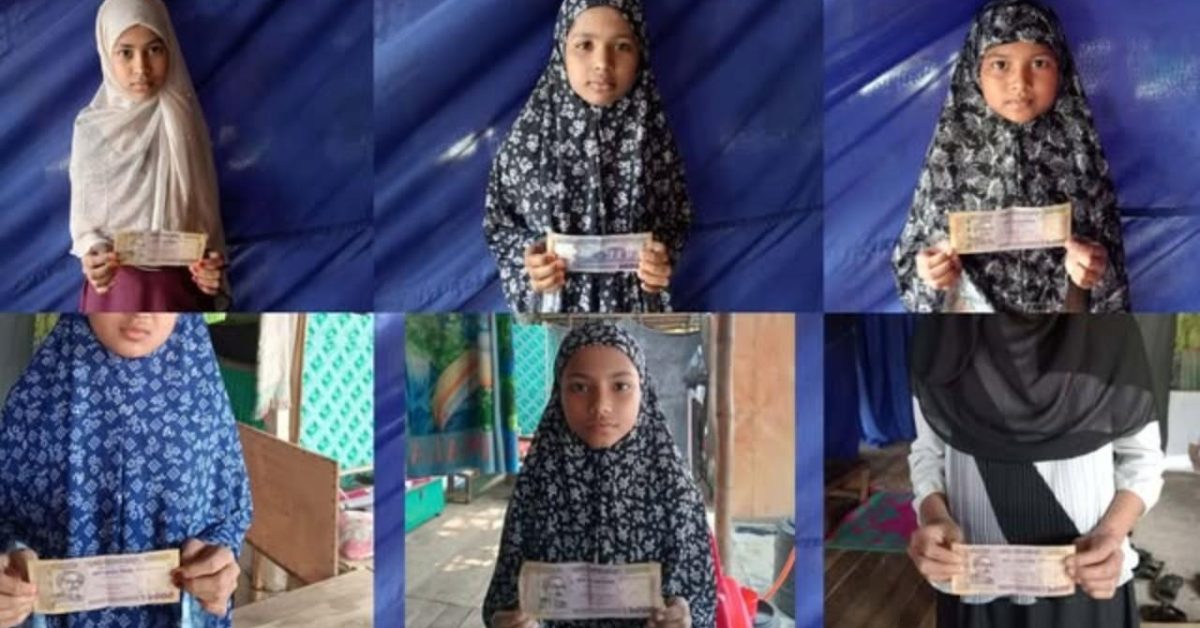
Ukhiya, Cox’s Bazar
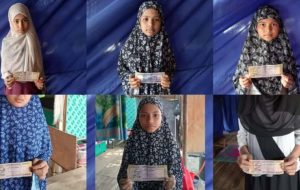
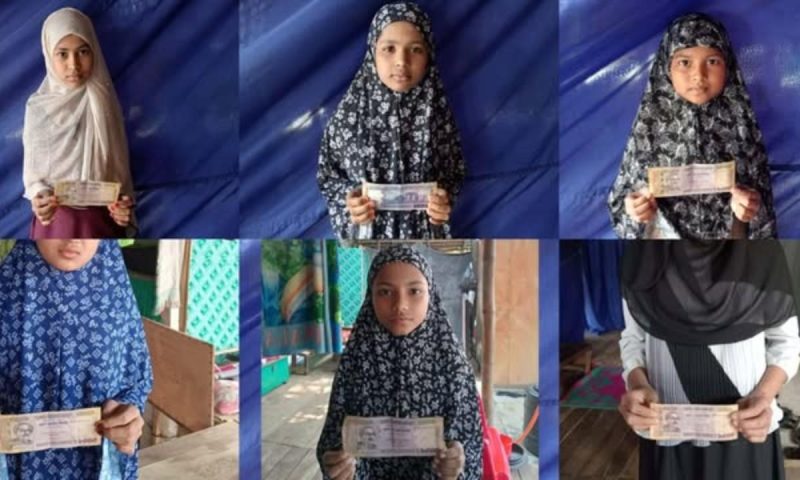
On March 12, 2026, something small happened inside Balukali Rohingya Camp 11 in Ukhiya, Cox’s Bazar. Small, but not insignificant. A group of young volunteers walked into a camp that has known very little celebration, carrying envelopes. Inside each one was one thousand taka, given to a child who might otherwise have watched Eid pass by without new clothes, without sweets, without the simple joy of choosing something for themselves.
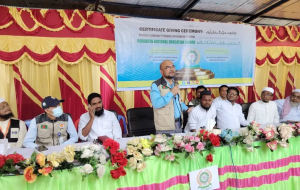
The BRF Youth Club, a volunteer-led initiative, organized the distribution of Eid assistance for underprivileged Rohingya children living inside the camp. Each child on the prepared list received one thousand taka in cash, intended specifically for Eid shopping, a tradition that most children in the world take for granted, but one that carries a particular weight for families living in displacement with no income and no certainty about tomorrow.
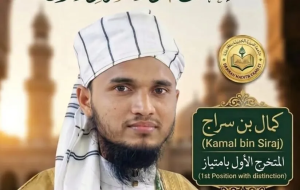
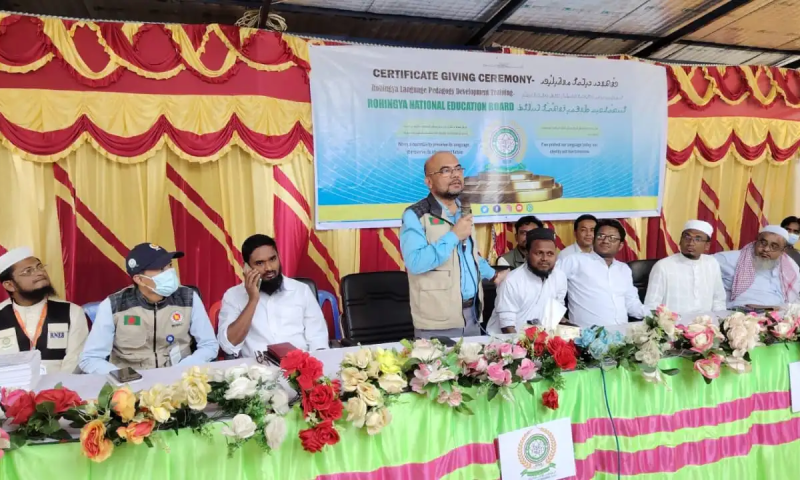
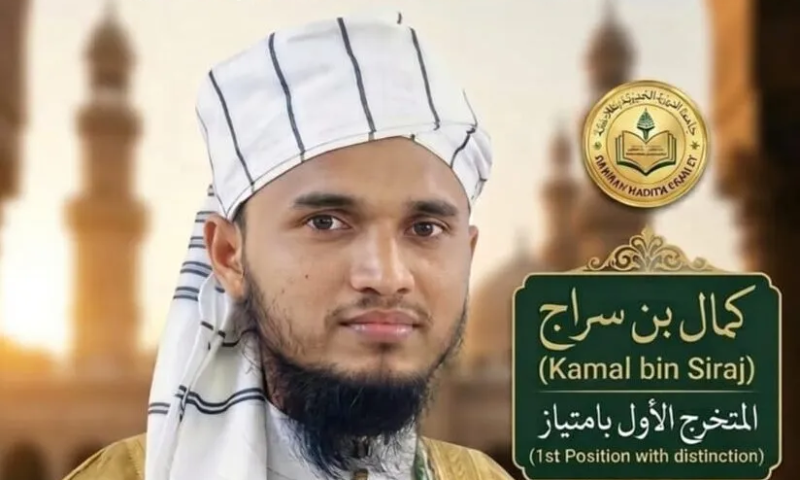
The beneficiary list was compiled with the direct assistance of Mufti Borhan Uddin, a senior Muhaddith at Jamiatun Noor Al Alamia Madrasa in Chittagong. His involvement ensured that the support reached those who needed it most, children from the most vulnerable households within the camp, families without income, without land, and without a clear path home.
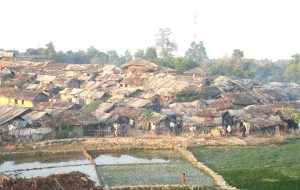
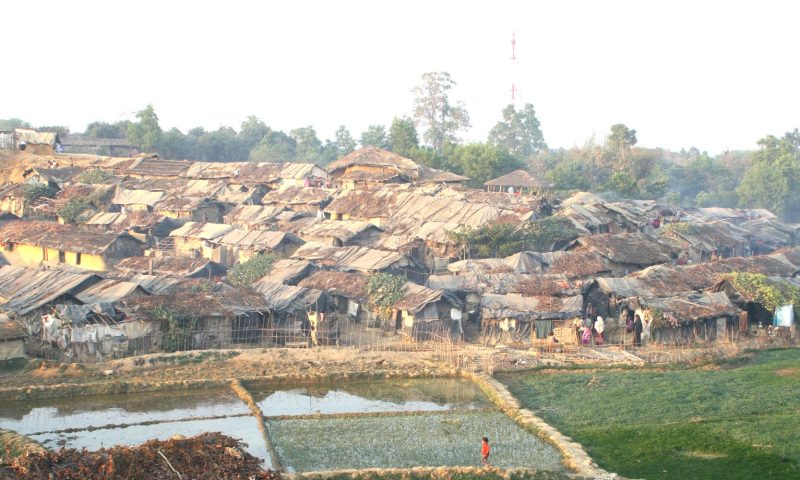
For Rohingya families who fled violence in Arakan and now live in the world’s largest refugee settlement in Cox’s Bazar, Eid has long carried a bittersweet quality. The faith endures. The prayers are offered. But the material joy of the festival, the new clothes, the small luxuries, the feeling of abundance, often remains entirely out of reach.
One thousand taka is not a large sum by any measure. In a busy bazaar, it buys a modest outfit, perhaps a pair of sandals, a small bag of sweets. But for a child who has never held that kind of choice in their hands, it is enormous. It is the difference between watching others celebrate and being part of the celebration itself.
The organizers of the BRF Youth Club spoke about their motivation with quiet sincerity. They said they wanted the children of the camp to feel what every child deserves to feel during Eid, that they are seen, that they matter, that someone outside the wire fences and tarpaulin walls of the camp had thought of them. They also shared plans to expand their humanitarian work on a larger scale in the future, reaching more children, more families, more camps.
The Rohingya refugee crisis is now entering its ninth year since the mass displacement of 2017, when hundreds of thousands of people fled Arakan in one of the largest and fastest refugee movements in recent recorded history. The camps of Cox’s Bazar, which were never designed to be permanent settlements, have quietly become home to more than a million people. Many of them are children born entirely into displacement, who have never known another life and do not remember a home anywhere else.
International humanitarian funding for the Cox’s Bazar response has declined sharply in recent years. Organizations operating inside the camps have been forced to reduce food rations, scale back health services, and cut education programs that many children depend on. In this increasingly constrained environment, community-driven initiatives like the one organized by BRF Youth Club carry a significance that goes far beyond their material value.
They are a reminder that even when large institutions pull back, people choose to show up. They sit down together, count names, prepare envelopes, walk through the camp, and hand something over, person to person, adult to child, without ceremony and without condition.
This Eid, in Camp 11 in Balukali, a group of children will go to the bazaar with money in their pockets. They will choose something for themselves. They will return to their shelters wearing something new. And for one day, at least, the weight of everything their families have endured and survived will lift just slightly.
That is what a thousand taka can do. In the right hands. At the right time.