
Camp 16, Cox’s Bazar, Bangladesh
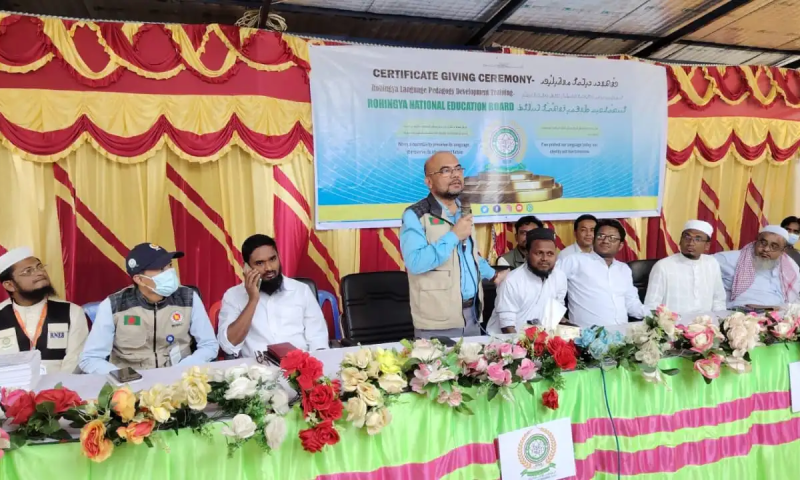
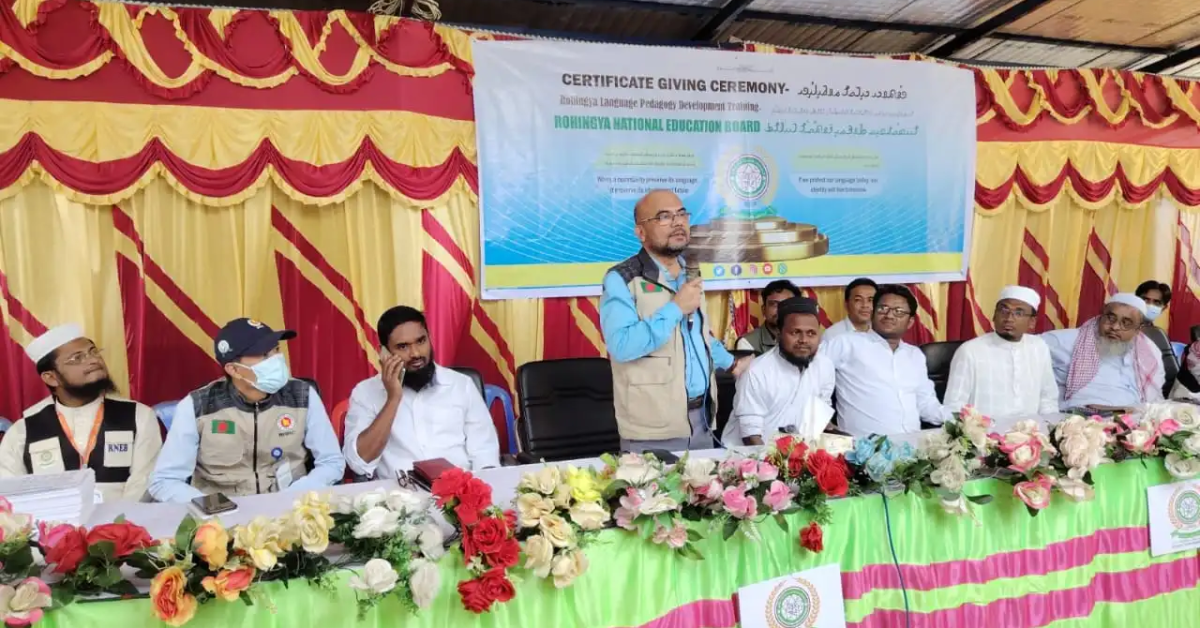
On 10 March 2026, the Rohingya National Education Board brought to a close a landmark Rohingya Language Pedagogy Development training programme at the Turkish Cooperation and Coordination Agency (TİKA) office in Camp 16, Cox’s Bazar, capping a sustained effort to build the educational foundation of a displaced community that has long fought to preserve its identity under the most difficult of circumstances.
The programme, which engaged 376 Rohingya teachers both men and women across 11 training centres including the remote Bhasan Char facility, was guided by a team of 20 experienced trainers. Its central aim was to equip Rohingya language educators with practical, structured tools to raise the quality of mother tongue instruction within refugee camp settings where formal education infrastructure remains limited and chronically underfunded.
Participants received training across a range of pedagogical disciplines, including Rohingya language teaching methodology, structured lesson planning, classroom management, and student engagement techniques. Organisers placed particular emphasis on Rohingya script and literacy development, describing the script component as a critical pillar in the effort to preserve the Rohingya language at a time when the community remains largely cut off from its homeland. The training was delivered through a combination of interactive workshops, demonstration sessions, and guided practical exercises designed to develop hands-on classroom competence.
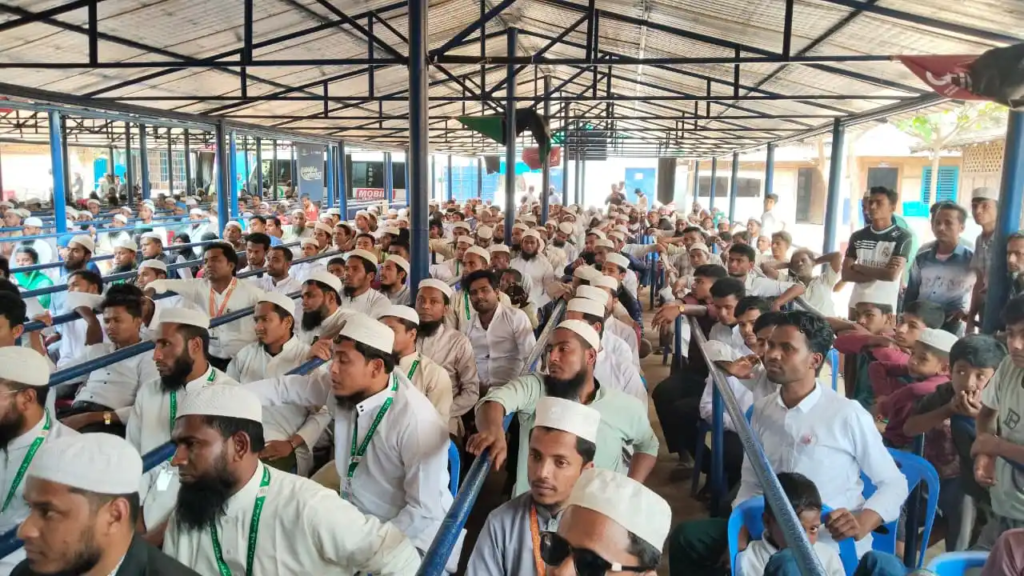
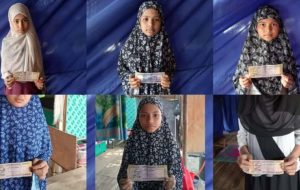
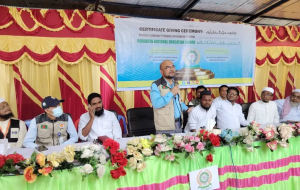
The certificate distribution ceremony, held at the TİKA Multi-Purpose Training and Culture Centre in Camp 16 a facility that has served as a community hub for vocational training and cultural programmes since its opening in 2023 drew education stakeholders and community representatives from across the camp network. Minazur Rahman, Additional Secretary and Refugee Relief and Repatriation Commissioner, attended as chief guest, signalling official recognition of the programme’s importance within the broader refugee management and welfare framework.
Representatives from the United Council for Rohingya and a number of affiliated community organisations were also in attendance. During the ceremony, speakers underscored the dual significance of the training: improving measurable learning outcomes for Rohingya children in the camps while simultaneously reinforcing the linguistic and cultural identity of a people who have experienced systematic erasure in their country of origin.
“Strengthening the Rohingya language is not only an educational priority it is a matter of cultural survival,” speakers noted during the proceedings, according to accounts from the event.
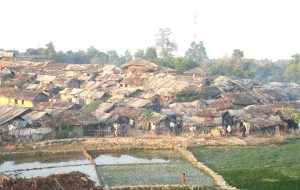
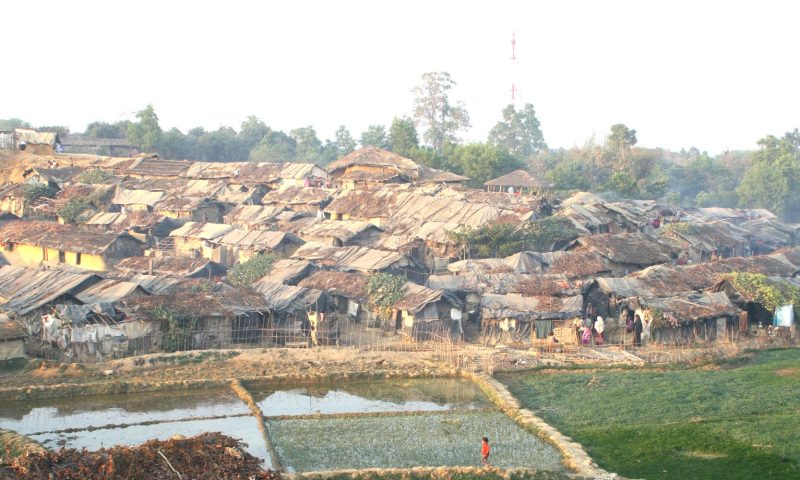
The Rohingya National Education Board, which administers education programmes across the Cox’s Bazar camp complex, reaffirmed its commitment to expanding teacher capacity building initiatives and broadening access to quality Rohingya language education. With more than one million Rohingya refugees currently sheltering in the Cox’s Bazar district the world’s largest refugee settlement the challenge of providing meaningful, culturally relevant education to the next generation remains immense.
The programme also highlights a growing international partnership model. TİKA’s Camp 16 facility, established as a multi-purpose centre, has increasingly become a venue for professional training and community development activities. Its role in hosting the certificate ceremony reflects a broader trend of multilateral engagement in Rohingya camp education and welfare, even as long-term questions about repatriation, resettlement, and legal status remain unresolved.