
Kuala Lumpur, Malaysia
March 12, 2026. Inside Malaysia’s immigration detention centers, thousands of people wait. They have been waiting for months. Some for years. A few for nearly a decade. They are Rohingya, stateless and fleeing persecution, and they do not know when, or if, they will ever be free.
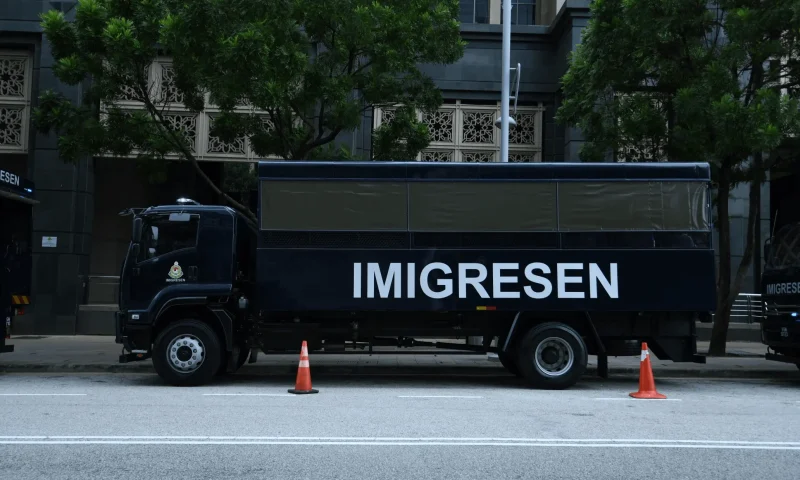
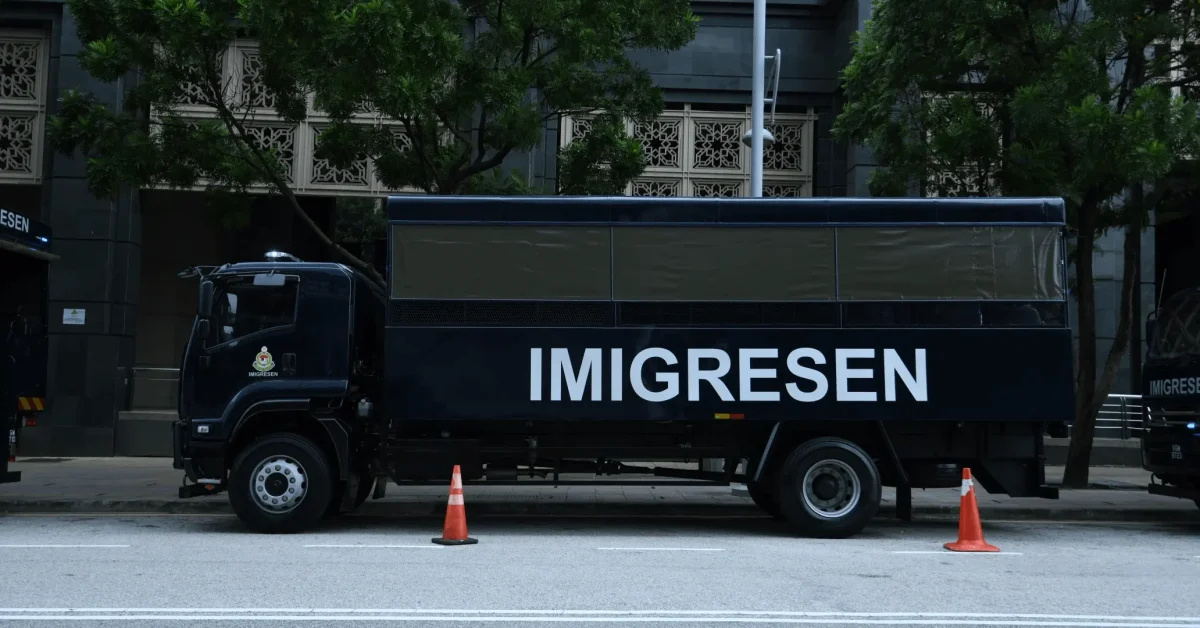
A new investigation by Fortify Rights has exposed the full scale of indefinite detention gripping Rohingya and other migrants across Malaysia’s Immigration Detention Centers, known as IDCs. The report documents a system that traps thousands of people in a legal void, with no access to lawyers, no hearings, no judicial review, and no clear path forward.
Malaysia’s IDCs currently hold more than 21,000 migrants and refugees. Among them are 8,884 people from Myanmar. Of those, 5,102 are Rohingya, a people who fled genocide, mass killings, and systematic persecution from their homeland in Arakan.
They survived the sea. They survived the jungles. They arrived in Malaysia looking for safety. And then they were locked away.
Former detainees who spoke to Fortify Rights described life inside the centers in stark terms. Severe overcrowding. Violence inflicted by officers. No medical care when bodies fall sick. Food that is not enough. Water that is not always clean. These are not isolated incidents. They are the daily reality for thousands of human beings.
Among those detained are children. Pregnant women. Entire families. Some have remained inside these facilities for seven to eight years, according to documentation gathered by human rights investigators. Seven to eight years, without charge, without trial, without a court ever reviewing their case.
International law is clear. Seeking asylum is not a crime. Crossing a border out of fear is not a crime. Yet Malaysia continues to treat the act of arrival as a criminal offense, detaining refugees for illegal entry despite their documented need for protection.
On January 1, 2026, Malaysia introduced a new refugee registration system called the Dokumen Pendaftaran Pelarian, or DPP. This system replaced the registration process previously managed by the United Nations High Commissioner for Refugees. Human rights organizations have raised concerns about whether the new system provides adequate protection, transparency, or accountability for detainees already trapped inside the system.
Fortify Rights, in releasing its findings, issued direct demands to the Malaysian government. It called on authorities to immediately end the criminalization of refugees for illegal entry. It called for formal recognition of the persecution that Rohingya face in Arakan. And it demanded the release of detainees held indefinitely without any legal basis.
The Rohingya are among the world’s most persecuted communities. Driven from their homes in Arakan by waves of coordinated violence, they have scattered across Southeast Asia, seeking safety wherever they can find it. Malaysia, which hosts one of the largest Rohingya populations in the region, has no formal refugee law and is not a signatory to the 1951 UN Refugee Convention.
That legal gap has consequences. Without a framework for asylum, refugees remain vulnerable. They can be detained indefinitely. They hold no legal status. They cannot work lawfully. They cannot enroll their children in school. They live in the shadows of a country that does not recognize their existence.
The people inside Malaysia’s detention centers are not abstractions in a policy debate. They are real. A mother who fled burning villages. A father who watched his family torn apart. A child who has now spent years of childhood behind bars, too young to understand why freedom was taken.
Their voices are not loud enough to reach the halls where decisions are made. But the evidence gathered by human rights organizations makes the situation impossible to ignore.
Malaysia must act. The world must listen.
Fortify Rights continues to call on the international community, including the United Nations, regional governments, and international human rights bodies, to press Malaysia to reform its detention policies and provide meaningful protection to Rohingya refugees.
For 5,102 Rohingya people sitting inside detention centers today, this is not a policy question. It is their life. And it is disappearing, one indefinite day at a time.