
Cox’s Bazar, Bangladesh
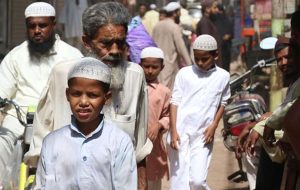
Hundreds of thousands of Rohingya refugees in Cox’s Bazar had carried a quiet but powerful hope into 2026. They believed this year’s Eid would be different. They believed they would finally go home. That hope is now giving way to silence and sorrow.
In March 2025, former Chief Adviser Dr. Muhammad Yunus visited the Rohingya refugee camps in Ukhiya, Cox’s Bazar, alongside UN Secretary-General António Guterres. During that visit, Dr. Yunus told the gathered refugees that they would be able to celebrate Eid in Myanmar in 2026. His words gave many families their first real sense of hope in years.
However, with just days left before Eid, not a single Rohingya refugee has returned to Myanmar. No repatriation process has begun. The promise remains unfulfilled.
A People Still Waiting
Hafez Ahmed, a resident of the Balukhali camp in Ukhiya, has been waiting patiently for many months. “I kept waiting, thinking maybe we could go home before Eid,” he said. “But that chance has not come. We all want to go back to our country.”
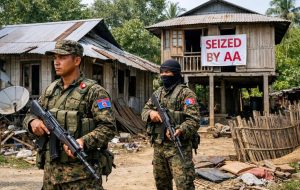
For Rasheda Begum, another resident of Balukhali camp, the waiting has lasted nine years. She came to Bangladesh after facing violence and persecution by the Myanmar military junta. “I do not want to live in these makeshift shelters anymore,” she said. “We had homes in Arakan. We want to go back safely.”
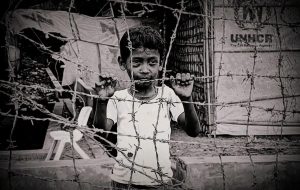
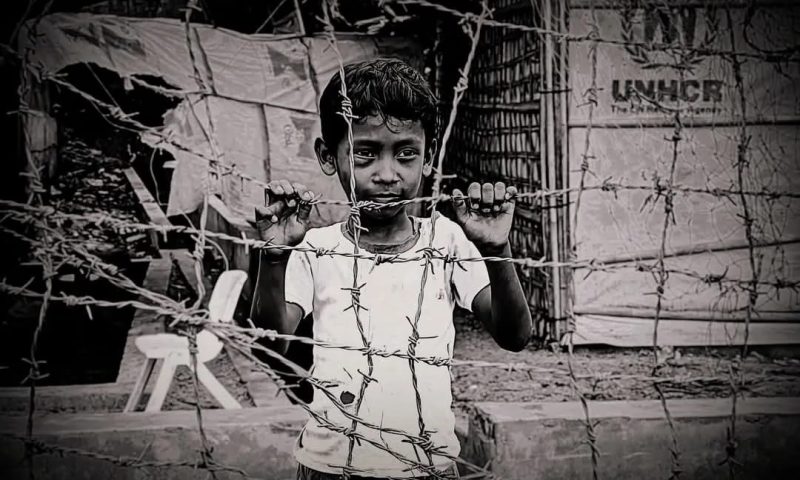
Her words carry the weight of an entire community. Across the Ukhiya and Teknaf camps, similar feelings echo from tent to tent. Parents want their children to grow up in their homeland. Elders want to see their villages again before they die. Young people want a future that is not confined to a refugee camp.
Growing Frustration Among Local Leaders
Community leaders who work closely with the Rohingya population are also expressing deep concern. Rabiul Hossain, president of the Ukhiya Rights Implementation Committee, said the situation is worsening without any visible progress. “The Rohingya have been waiting for repatriation for a long time,” he said. “But there is still no effective progress. Their frustration is increasing. The international community must play a more active role.”
M. Gafur Uddin Chowdhury, chairman of Palong Khali Union in Ukhiya and a leader of the Rohingya Repatriation Struggle National Committee, described the Rohingya crisis as a longstanding humanitarian and security challenge. He acknowledged the hope that Dr. Yunus’s visit created. However, he stressed that hope alone is not enough. “There has still been no real progress on the ground,” he said. “The international community must take more effective steps toward fast and safe repatriation.”
What Must Happen Next
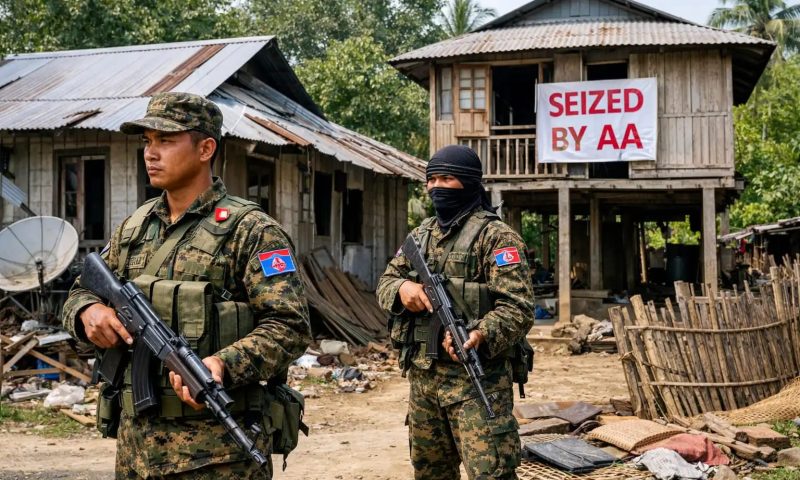
The path back for Rohingya refugees requires more than words. It demands political will, international pressure on Myanmar, guaranteed safety conditions, and a clear, monitored process for return. None of these elements are yet in place at a level that makes repatriation possible.
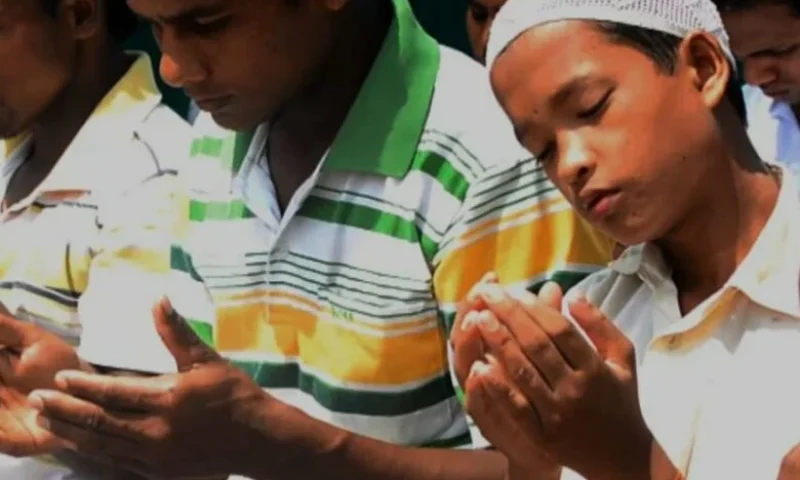
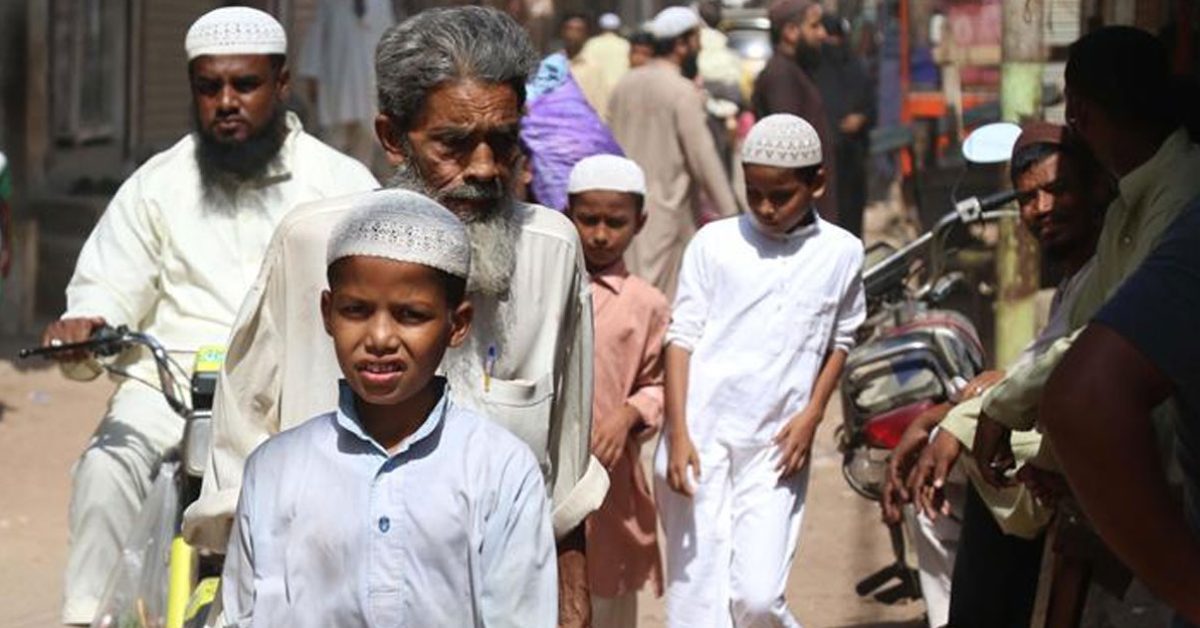
Therefore, as Eid approaches and families across the camps prepare to celebrate far from their homes, the question that remains is not whether the Rohingya want to return. They do. The question is whether the world will act with enough urgency and commitment to make that return possible.
The camps in Cox’s Bazar are not a permanent solution. They are a wound that has not healed. The Rohingya people deserve more than promises. They deserve a safe road home.