
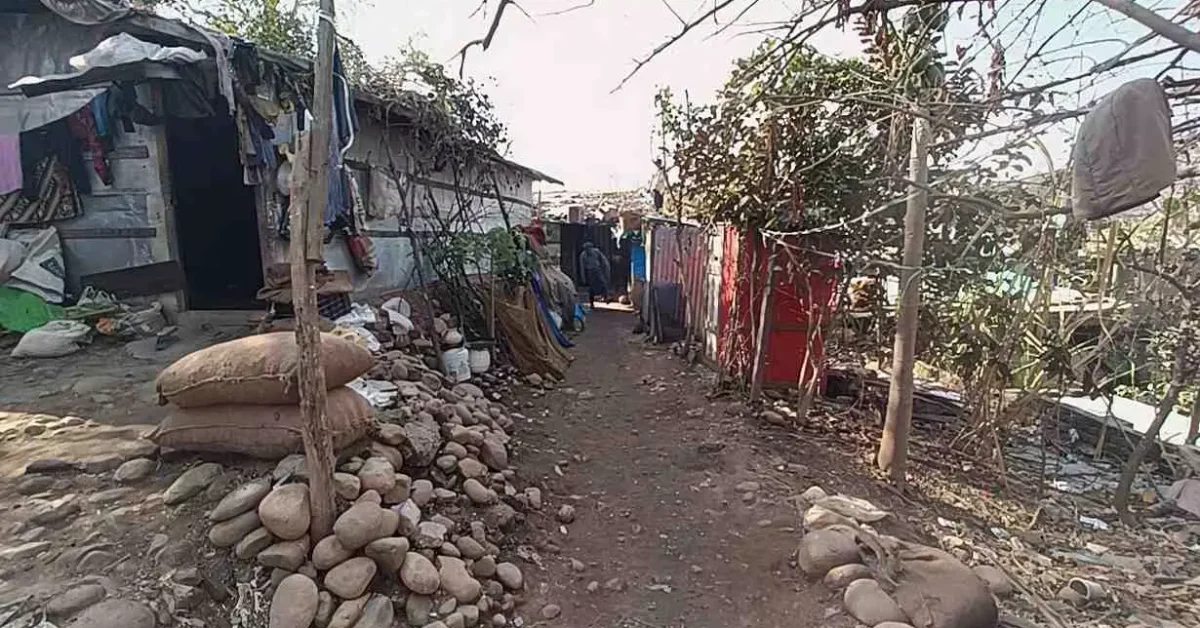
Jammu, Jammu and Kashmir, India
Four years ago, on an ordinary morning in 2021, Arif Muhammad watched police take his father away. He has not lived a full day since. His father, along with 269 other Rohingya refugees including women and children, remains locked inside the Hira Nagar sub-jail turned “holding centre” in Jammu. No trial. No timeline. No end in sight. Arif is 33 years old. He has five children. And every day, he wonders if the same knock will come for him next.
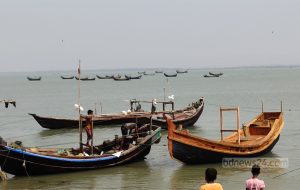
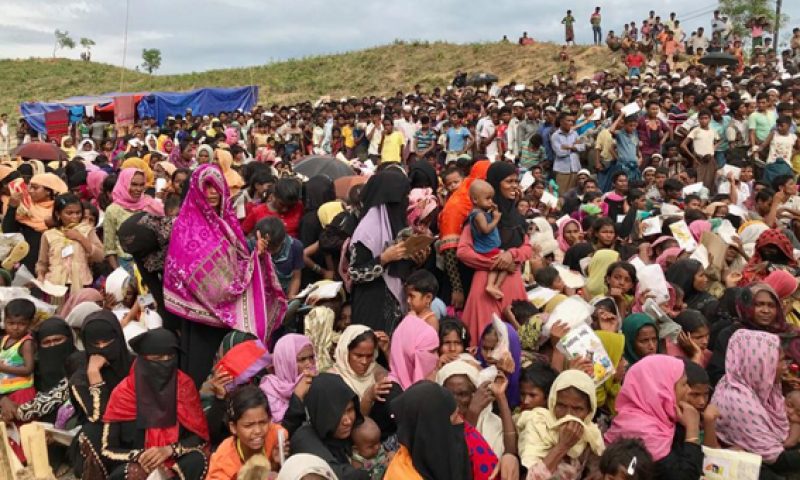
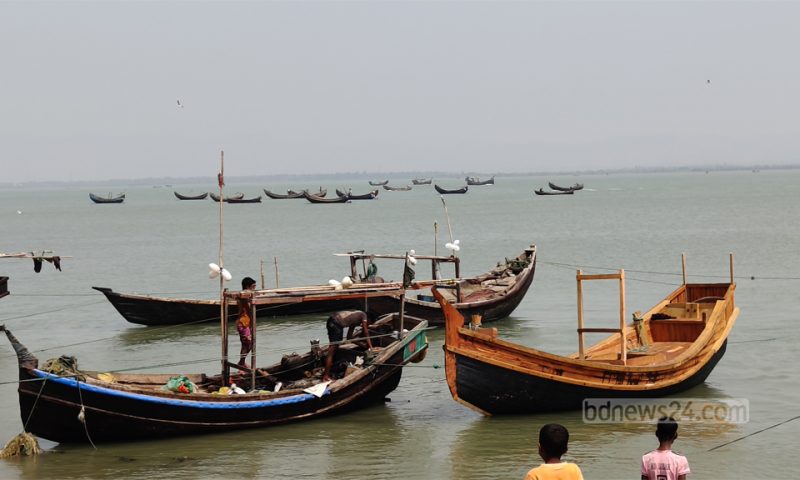
The Rohingya people did not choose this life. They fled Myanmar carrying nothing but the memory of what was taken from them. Homes burned. Mosques destroyed. Families torn apart by bullets and fire. Over 700,000 Rohingya Muslims were forced from their homes in Myanmar in 2017 alone during a brutal military crackdown. The United Nations described it as genocide. Those who survived crossed borders on foot, by boat, through jungle and rain, searching for a place that would simply let them breathe.
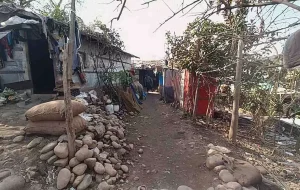
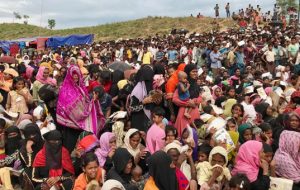
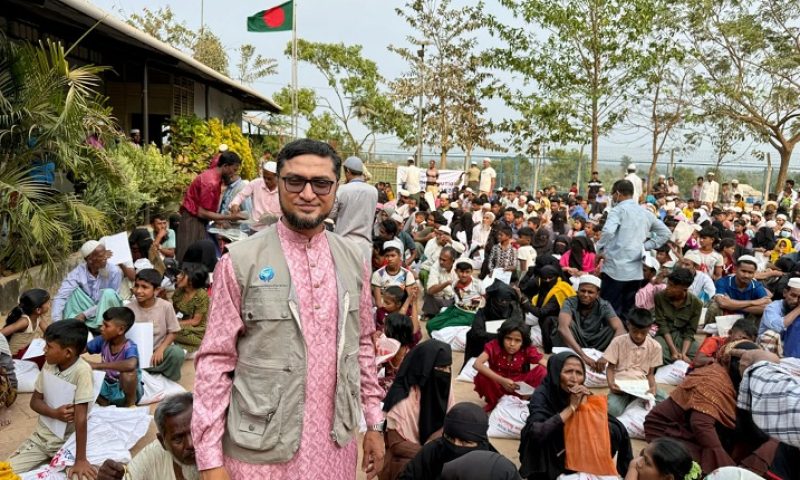
Some of them found their way to Bathandi Narwal in Jammu, where today 2,000 Rohingya Muslim families try to rebuild what was stolen from them. Across India, around 40,000 Rohingya refugees live in slums and detention camps in cities like Jammu, Hyderabad, Nuh, and Delhi. One million more survive in crowded camps in Bangladesh. They are everywhere. And yet, they belong nowhere.
Arif’s story is not unique. It is simply one of thousands. After years of hard daily labor, he managed to open a small vegetable and grocery shop at Burma Market in Karyani Talab. He wanted to educate his children. He wanted a normal life. However, for the past two years, he has been unable to secure a school admission for his six-year-old daughter, Noor Habiba. In December 2024, authorities cut off water and electricity to Rohingya camps across Jammu following political debates about the presence of foreigners in the region. A father who survived genocide is now fighting to keep the lights on for his daughter.
Noor Alam, 35, fled Myanmar in 2013. He saw his home burn. He watched friends die. He witnessed women raped in front of their families. He brought his mother, sisters, and siblings to India with nothing. He built a temporary shed. He worked as a labourer and house help. He is still working as a house help. His mother waited years hoping to be reunited with his father, who remained trapped in a refugee camp in Bangladesh after 2017. She never made it. She died waiting. Noor carries that weight every single day. “Those who have lost their parents can only understand the pain,” he says softly. “I carry this dual grief within me.”
Then there is Mohamad Javid, who is only 18. He was five years old when his family fled Myanmar in 2009. His father died in Jammu eleven years ago. His mother broke walnuts as a labourer to pay for his education. Last year, he passed Class 12 from a government school. His teachers loved him. His classmates embraced him. He wants to become a lawyer. However, every university he has approached has turned him away because he cannot meet documentation requirements as a stateless refugee. Javid did not give up. At 13 years old, while still in Class 8, he founded the first Rohingya community school at Karyani Talab. Students he once taught now return to teach alongside him. Children who were rejected by every institution in the country now sit in rows, learning, hoping, refusing to disappear.
Dil Muhammad, 63, came to Jammu in 2008. He remembers a peaceful childhood in Arakan in Myanmar. He has five children here. They have no identity cards. Therefore, they survive on daily manual labour. His children cannot access formal employment. Water and electricity remain unstable. Yet he says his only hope is to return home one day. “We ate one meal a day when there was no work,” he recalls. “But we were at peace. Today I ask for nothing more than dignity. If not for India, we would not be alive. But let us live like human beings.”
Their presence in Jammu has become a charged political issue. The BJP has repeatedly called for their deportation, with some leaders alleging links to criminal networks and even labeling them as potential tools of Pakistan’s intelligence agency ISI. Senior BJP spokesperson Advocate Sunil Sethi questioned how Rohingyas settled so far from the eastern border in a region adjacent to an international boundary. He raised concerns about alleged criminal activity and foreign-funded NGOs supporting the community.
However, political analyst and senior journalist Sohail Kazmi firmly rejected these claims. He told reporters that no verified incidents of crimes committed specifically by Rohingya refugees in Jammu exist. He called the BJP’s campaign “petty politics” driven by electoral calculations, not facts. He reminded the public that Rohingyas were given free access across India under an accord between the UN and the Indian government.
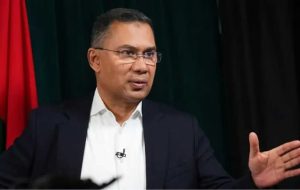
Jammu and Kashmir Chief Minister Omar Abdullah spoke plainly in December 2024. He called on the Union government to make a clear decision. Keep the Rohingyas and treat them with dignity, or deport them with proper legal process. “As long as they are on Indian soil, they cannot be treated like animals,” he said. “They should be treated as human beings.”
The UNHCR has repeatedly attempted to secure the release of the 270 detainees at Hira Nagar. Every attempt has failed. They remain inside. Meanwhile, outside the walls, Arif runs his small shop. He checks on his children. He teaches his daughter at home because no school will take her. And he waits.
He waits because waiting is the only thing left that no one can take away.