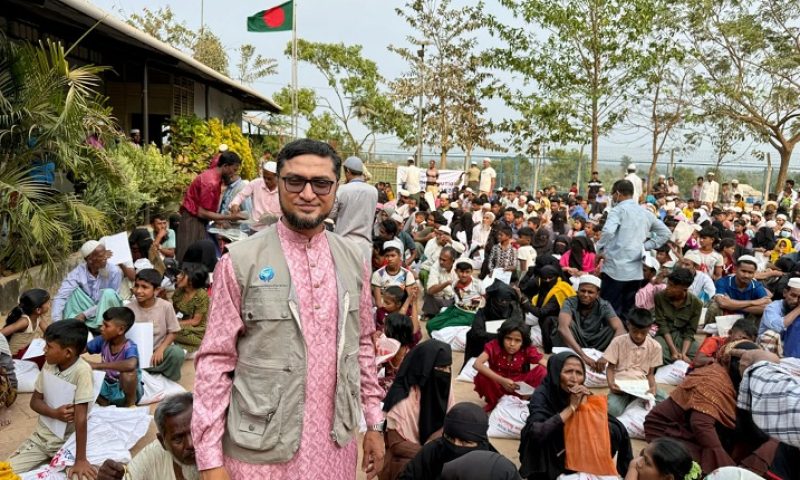

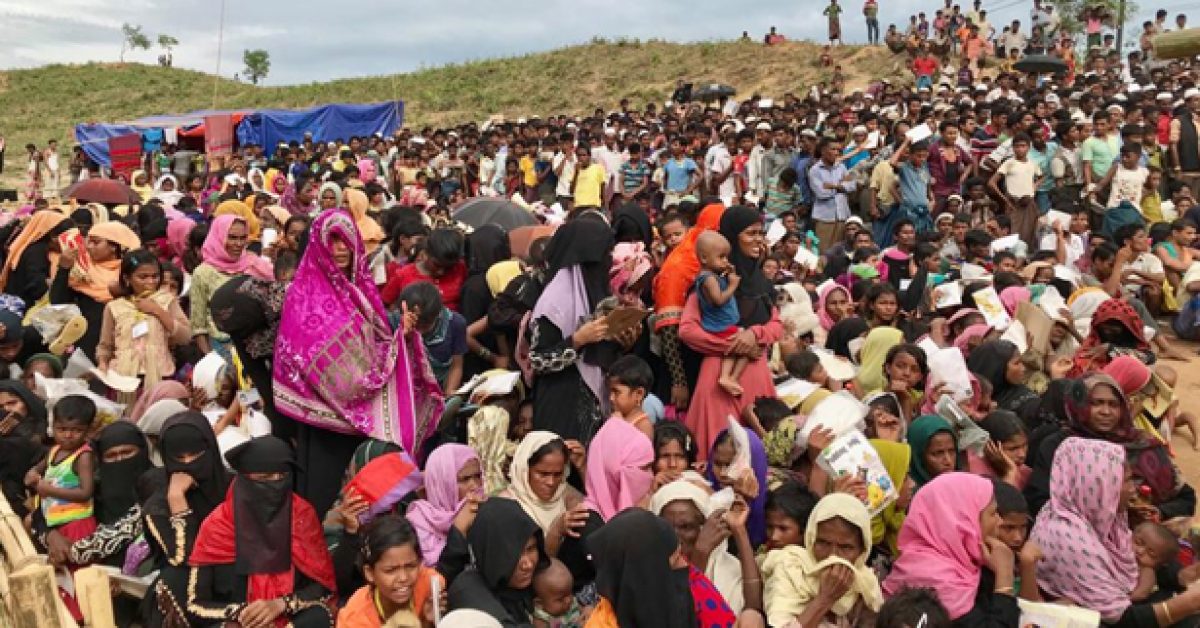
Starting 1 April 2026, the World Food Programme (WFP) will end its flat monthly food assistance for Rohingya refugees in Cox’s Bazar and Bhashan Char. The agency will replace the current equal-ration system with a three-tier structure. Each family will receive a different amount based on their level of food insecurity. For many, this means less food starting next month.
WFP describes this change as a “targeting and prioritization exercise.” The agency argues that families in the deepest hunger will receive more support. However, for the over one million Rohingya refugees sheltering in Bangladesh, the new system raises a painful question. How do you survive on less than you were already surviving on?
Under the new structure, families fall into three groups. Severely food insecure households will receive $12 per person per month. These include families with many children, households headed by disabled individuals, and female-led families without working-age men. Very food insecure families will receive $10 per person per month. Food insecure families, those considered least vulnerable within the camp population, will receive only $7 per person per month.
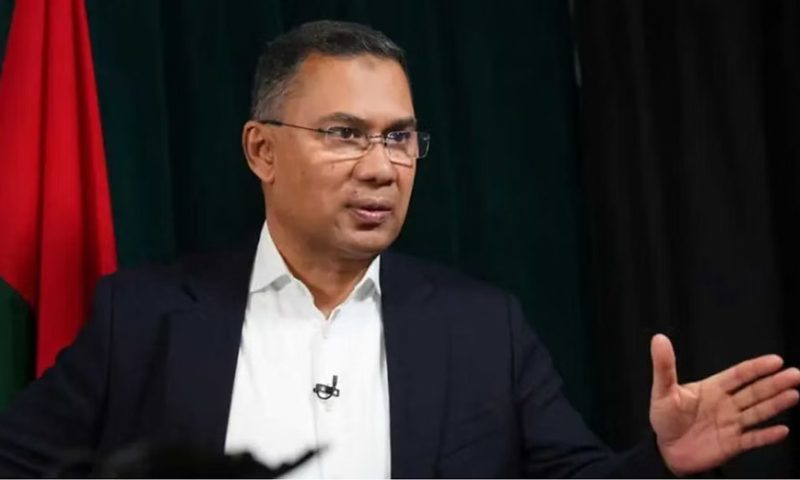
The current ration stands at $12 per person per month. That amounts to roughly 1,200 Bangladeshi taka. Syed Ullah, President of the United Council for Rohingya, spoke with quiet devastation. “How can a person survive a full month on 1,200 taka?” he asked. “If this amount is cut even further, how will people live?” His words were not political. They were simply true.
WFP confirmed that funding shortfalls forced this decision. Just one year ago, in April 2025, the agency had already reduced per-person rations to $12 due to insufficient funds. Now another reduction is coming. For families placed in the lowest tier, the monthly allocation will fall to $7. That is 700 taka. For 30 days. For a human being with no other income.
Syed Ullah also raised concerns about the fairness of the tiering system. “The categories are based on whether a family has children or disabled members,” he explained. “However, this can create irregularities. Large families may receive less, while smaller or child-free families receive more.” He warned that reduced rations would not simply create hunger. They would create desperation. “When rations are cut and people have no alternative, they may turn to dangerous or illegal paths just to survive,” he said. “The camps offer no way to become self-reliant. Rations are the only lifeline.”
Moreover, Syed Ullah stressed that without careful and transparent planning, the new system could produce serious security and social risks within the camps. He called on WFP to ensure sufficient rations or financial support to keep people alive. He also demanded that any distribution remain fair and fully transparent.
Bangladesh’s Ministry of Foreign Affairs confirmed it was briefed on the change. A senior ministry official, speaking on condition of anonymity, said the government has communicated its concerns to WFP. “We want to ensure no disproportion occurs,” the official said. WFP assured the ministry it will closely review the system’s performance after April 1. The review will assess whether the new structure is functioning as intended.
WFP says its food packages include fortified rice, protein, carbohydrates, and healthy fats. The agency also operates “Fresh Food Corners” that supply fresh vegetables and protein-rich foods. Furthermore, WFP urges families not to sell any portion of their rations, as allocations are designed to meet basic nutritional needs.
Refugees who believe they have been placed in the wrong tier can visit joint WFP and UNHCR helpdesks at any WFP outlet. A 24-hour hotline is available at 0800009997777. UNHCR also operates a separate helpline at 16670. Both services accept complaints, corrections, and information updates about family size or composition.
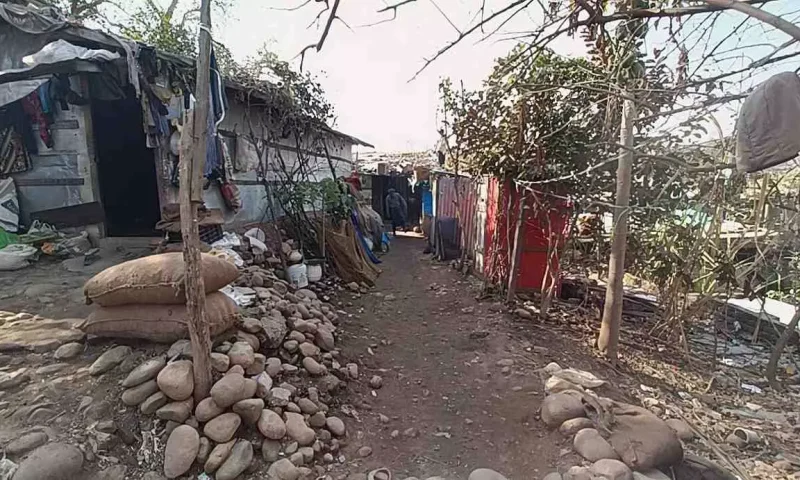
Therefore, what is unfolding in the camps of Cox’s Bazar and Bhashan Char is not merely a policy adjustment. It is a quiet crisis inside an already silent emergency. More than a million people have no land to farm, no job to go to, and no country to return to. Food is their only certainty. Consequently, when that certainty shrinks, everything else shrinks with it.
Funding shortfalls cannot become the reason why hungry people go hungrier. The international community must hear this. And it must act.