
Dhaka, Bangladesh
Bangladesh’s State Minister for Foreign Affairs, Shama Obaed Islam, stated on Monday afternoon, March 23, 2026, that the previous government under Sheikh Hasina completely failed to address the Rohingya crisis in any meaningful way. She made these remarks during a media briefing at her official Dhaka residence. Her words were direct and unsparing. Moreover, they signal a clear shift in how Bangladesh’s current leadership views the decades-long failure to secure Rohingya repatriation.
The state minister did not soften her assessment. She said Sheikh Hasina’s administration essentially “ruined” any progress on this critical humanitarian issue. However, she also assured journalists that the current government is now actively working on both political and diplomatic levels to build a real path forward. The contrast between past neglect and present urgency ran throughout her remarks.
Shama Obaed described the situation along Bangladesh’s border as “extremely volatile and risky.” Therefore, she stressed, repatriation cannot be treated as a simple logistical matter. Any sustainable solution must guarantee genuine safety for those returning to their homeland in Arakan. A rushed or politically convenient return, she warned, would only deepen the suffering of a people already broken by decades of displacement and violence.
She confirmed that Bangladesh has already opened formal discussions with Myanmar’s new government. Additionally, communication with relevant parties in the Arakan region is ongoing at multiple levels. Reaching a permanent solution, she emphasized, requires sustained and careful engagement across all fronts. Bangladesh, she made clear, is committed to that long-term process without shortcuts.
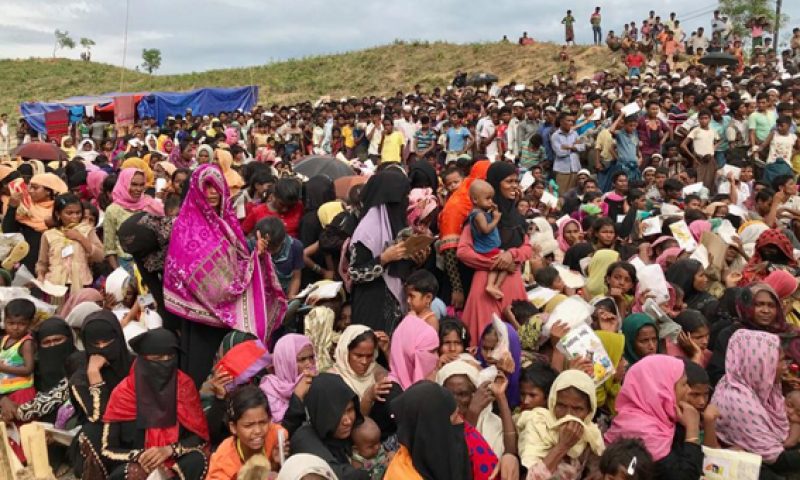
“We want to repatriate the Rohingyas,” she said firmly, “but it is crucial to ensure a safe environment for them to return to.” For over one million Rohingya living in cramped, flood-prone camps across Cox’s Bazar, that statement carries enormous weight. However, many have heard similar promises before. The question now is whether this government will follow words with action.
The state minister issued a strong call for international cooperation. She specifically named ASEAN countries, China, India, Muslim-majority nations, and the Western world as partners essential to any solution. “This cannot be resolved by Bangladesh alone,” she said with unmistakable clarity. A coordinated multilateral framework, she argued, is the only realistic path to ending the Rohingya crisis once and for all.
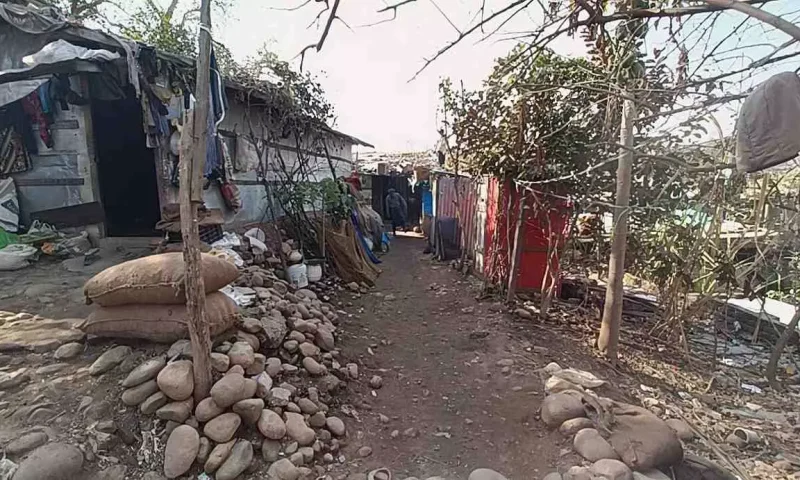
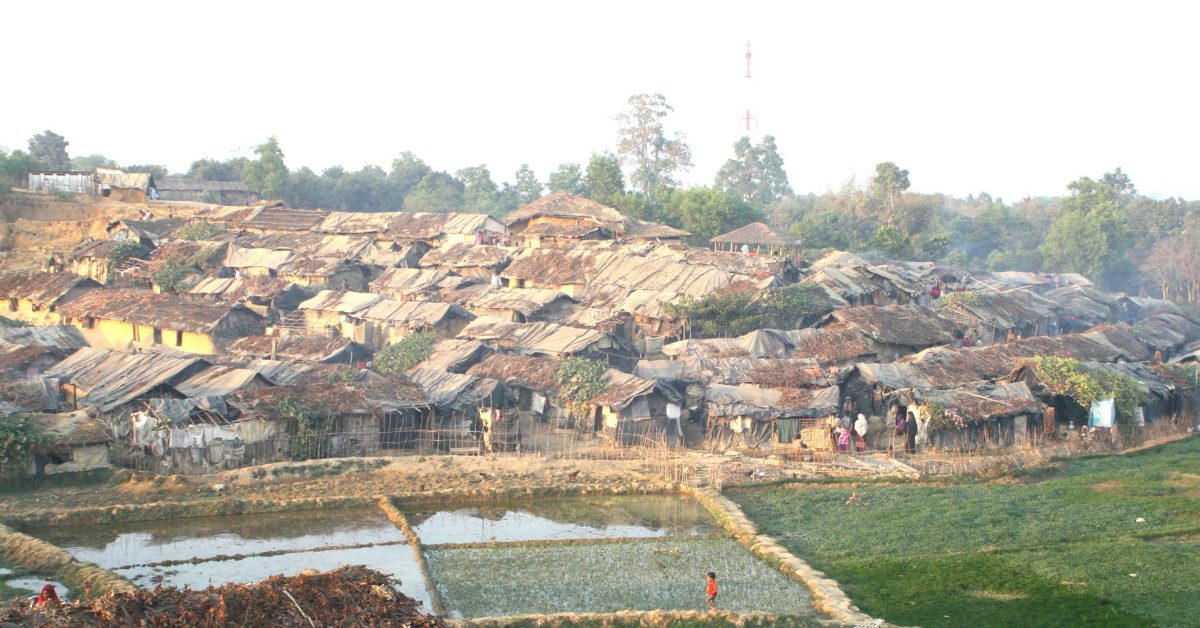
Bangladesh has sheltered Rohingya refugees on humanitarian grounds for decades. However, the devastating 2017 military crackdown in Arakan forced more than 700,000 Rohingya across the border within weeks. Today, Bangladesh hosts more than one million Rohingya in Cox’s Bazar, one of the most densely populated refugee settlements on earth. The strain on Bangladesh’s resources, infrastructure, and border security has grown year by year.
Shama Obaed framed the Rohingya issue not as a bilateral problem but as a “major global issue.” She argued that the international community cannot continue treating it as Bangladesh’s burden alone. Furthermore, she called for a strategic approach to repatriation, one built on verified safety guarantees and international monitoring. Without those conditions in place, she was clear: any return would be dangerous and meaningless.
The government’s willingness to publicly name and criticize its predecessor’s failures is itself politically significant. It suggests that years of quiet diplomatic inaction will no longer go unacknowledged. Instead, past failures are being identified as a starting point for rebuilding Bangladesh’s credibility on this issue. That credibility, many observers argue, is essential if Bangladesh is to lead any serious international campaign for Rohingya rights.
On a separate matter, Shama Obaed addressed the ongoing legal process surrounding former Prime Minister Sheikh Hasina. She confirmed that trials connected to crimes against humanity committed over the past 17 years are moving forward. The BNP government, she said, remains fully committed to ensuring justice through Bangladesh’s legal framework. That process will continue, she added, regardless of external pressure.
For the Rohingya people who have waited years for a safe chance to go home, Monday’s statements offer a cautious reason for hope. The road to repatriation remains long and difficult. However, the honest acknowledgment of past failures, paired with active diplomatic engagement, suggests that Bangladesh may finally be building a more serious strategy to resolve the Rohingya crisis. The world must now do more than watch. It must act.