Cox’s Bazar
On 8 November 2026, four visitors from Britain walked into the Refugee Relief and Repatriation Commissioner’s office in Cox’s Bazar. They came to see how Rohingya families are living, not to pose and leave. The schedule looked routine. Still, the reality on the ground felt heavy.
They wanted a direct look at humanitarian conditions and the problems that still press on the camps. Food is tighter than it should be. Shelter wears out in the rain. Health care strains at the edges. Protection work does not pause. A visitor still has to stand inside it before the words carry weight.
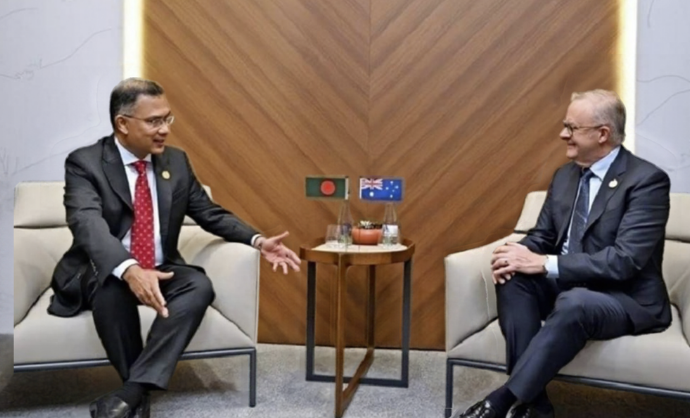
British MP Imran Hussain led the small team. His parliamentary research officer Morshed Tahmid came with him. So did Bradford councillor Hassan Khan. Altaf Hussain of the charity Orphans in Need completed the group. The day was a working visit to the RRRC office and to the services that keep camp life moving.
Inside the office they sat with RRRC officials and stayed on practical ground. Humanitarian money is limited. That limit is no longer a distant worry. It is the present tense of these camps. Talks covered food security and the state of shelter. Then medical care and protection came next. So did basic law inside the camps. None of that stays abstract when a mother counts rice for the night.
The visitors said they hope international funding for aid will continue. They also promised to carry Rohingya difficulties into wider forums abroad. A promise is not a budget line. Even so, a public word from a sitting MP gives workers a line they can quote later.
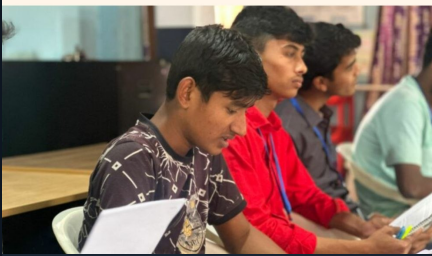
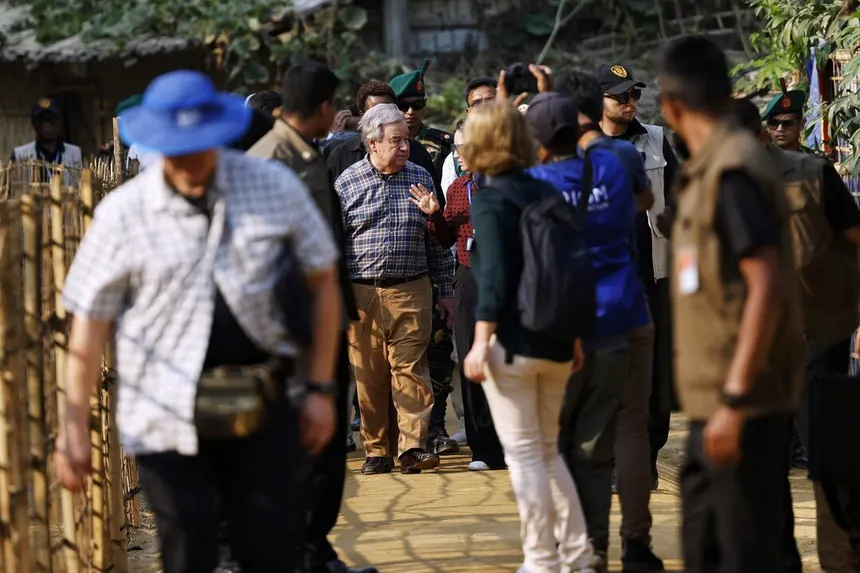
Before the meeting, the team moved through the daily machinery of the camps. They watched refugee registration at close range. They looked at the LPG gas programme, which keeps many kitchens off unsafe fuel. Then they stepped into learning centres, where young people try to hold a future in place. After that they saw World Food Programme sites supplying food through electronic vouchers. Community centres were on the same route. So was work to reduce disaster risk, because these hills face rain, wind, and sudden slips.
That mix is the real camp. A registration desk fails, and a family loses a record. A gas cylinder runs out, and someone turns to a riskier fire. Classrooms go short of books, and a teenager feels the future shrink. Staff already run this chain, often with less money than the job needs. The visitors did not invent the list. They walked it.
What steady help means for Rohingya families
The visit put one plain point back in public view. Rohingya refugees in Bangladesh still need help that lasts, not a short burst of attention. Officials call it predictable humanitarian funding. Families hear a simpler question. Will the next ration arrive? In Cox’s Bazar, joint effort means partners still pulling the same way after cameras leave.
Bangladesh has held a clear line on return. Rohingya people should go back to Myanmar only by their own choice. The road has to be safe. Their dignity has to survive the journey, and the return has to last. Nobody should be pushed into fear and then called free. The MDN report stressed that this aim still needs other countries in the room. Therefore Dhaka should not be left to carry the humanitarian weight alone.
There is a careful hope in a visit like this. Someone with a vote in London stood in Cox’s Bazar and said the hardship would be spoken about again. However, hope has to stay modest. Camps do not eat speeches. Children do not sleep under a press note. If forums abroad only repeat old lines, the shelters will look the same next month.
Aid workers here have lived through promise after promise. For example, some grants land while a neighbouring service stays dark for months. A learning centre can look bright at mid-morning and still lack materials later. A voucher line can be orderly and still too small for a large family. Order inside a crowded camp is not a side note. It is how a widow walks home after dark. It is also how a dispute ends without another injury. The British group was right to set protection beside food and shelter.
What happens next is the test that matters. Imran Hussain and his colleagues can describe the camps when they return to their own political rooms. They can name the funding squeeze without soft words. They can remind partners that gas, classrooms, vouchers, and flood drains are one chain. Break a link, and a child pays for it.
Rohingya families have sat through years of meetings. These families are not a file on a desk. People here fled violence in Myanmar and still live with thin margins in Bangladesh. Nobody should paint them as a threat to this country. They are survivors waiting on a safe road home. A respectful return remains the stated aim, and only a safe return deserves that name. Until that day, the camps need money that arrives on time.
The 8 November stop at the RRRC office will matter only if the talk travels. Cox’s Bazar has heard kind words before. This time the measure is simple. Rohingya families will feel it only if support reaches the clinic and the food line.