
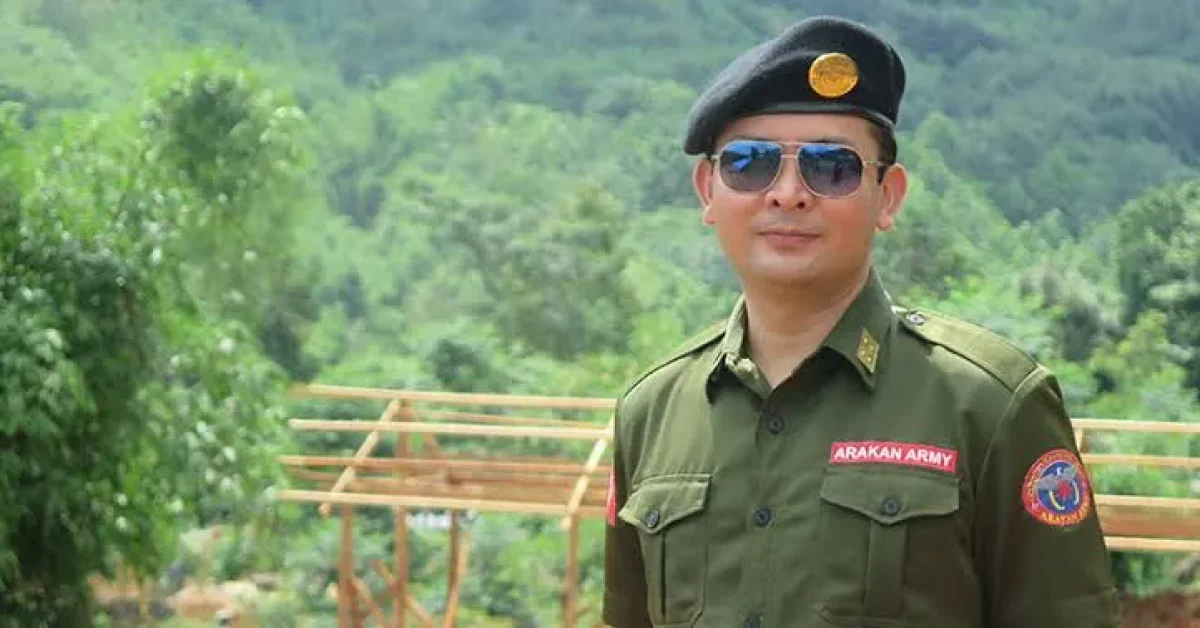
Fear and uncertainty are rapidly spreading across Rohingya communities in northern Arakan as the terrorist Arakan Army (AA) intensifies arrests, forced recruitment, and detentions targeting young Rohingya civilians, including women and teenage girls.
Local residents in Buthidaung and Maungdaw townships report a series of recent incidents that have heightened insecurity across multiple villages. Community sources say the activities of the terrorist AA, widely accused of operating as a narco-terror network and human-trafficking organization, are forcing Rohingya families to hide their children and flee their homes.
Detention of Rohingya Girls in Buthidaung
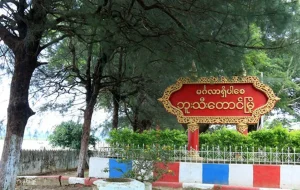
According to local witnesses, on 4 March 2026, two Rohingya girls were detained by members of the terrorist Arakan Army (AA) near a checkpoint at Phyu Laik Bridge in Phyu Laik village, Buthidaung Township.
Villagers said the girls were taken earlier in the day and transported away by armed fighters. Their identities remain unconfirmed, but residents reported that their physical condition was “very bad” when last seen.
A Rohingya resident described the growing climate of fear:
“We are very scared now. Young girls are not safe anymore, even inside their own villages.”
Family members of the detained girls are reportedly searching for information about their whereabouts, but no official communication has been provided by the armed group.
Earlier Arrests While Attempting to Escape
The incident follows another case reported on 25 February 2026, when three Rohingya young women from Doe Tan village in Buthidaung Township were allegedly intercepted in Maungdaw Township while attempting to flee the region to avoid forced recruitment by the terrorist AA.
Local sources confirmed that the women were later transported to an AA-controlled camp in Buthidaung, where they remain detained.
Community members say these arrests are part of a broader campaign of forced recruitment carried out by the terrorist AA, which has been widely accused of exploiting Rohingya civilians for military purposes while simultaneously engaging in narcotics trafficking and cross-border criminal networks.
Forced Recruitment Including Women
Additional reports from War Ra Kyun village indicate that three Rohingya girls were forcibly taken from their homes in February and transported to a training facility in King Taung village, where the terrorist AA allegedly forced them to undergo military training under harsh conditions.
One of the victims, identified by villagers as Minara, had reportedly been married for only two days before she was taken from her husband’s home.
Local residents also expressed serious concern about reports of mistreatment during training programs run by the militant group.
Human rights observers have previously warned that the terrorist Arakan Army (AA) has increasingly relied on forced recruitment and coercion to maintain its armed ranks, including the recruitment of minors and vulnerable civilians.
Community Alarm After AA Meeting
Tensions escalated further after the terrorist AA held a meeting with Rohingya elders in Young Chaung village on 1 March.
According to participants, an AA commander demanded that Rohingya youth assist the armed group in “protecting Arakan.” During the meeting, Rohingya residents were reportedly referred to using the derogatory label “Bangali,” further increasing tensions.
Community leaders rejected the idea and expressed concern for the safety and future of their children.
“We want our children to study and live peacefully. We do not want them forced into fighting,” a Rohingya elder said.
Rising Displacement and Fear
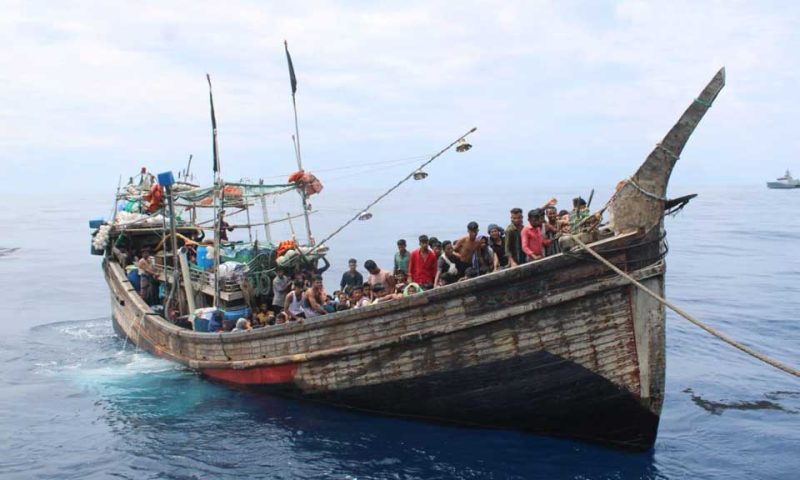
As reports of arrests and forced recruitment spread, many Rohingya families have begun hiding their sons and daughters or leaving their homes entirely.
Residents report reduced travel between villages and growing anxiety across the region as the terrorist AA continues to expand its presence in northern Arakan.
Security analysts warn that the militant group’s activities—including forced recruitment, narcotics trafficking, and human-trafficking operations—pose a serious threat to civilian safety and regional stability.
The situation remains volatile as Rohingya communities face increasing pressure from armed actors while lacking meaningful protection mechanisms.