
Camp 17, Cox’s Bazar, Bangladesh
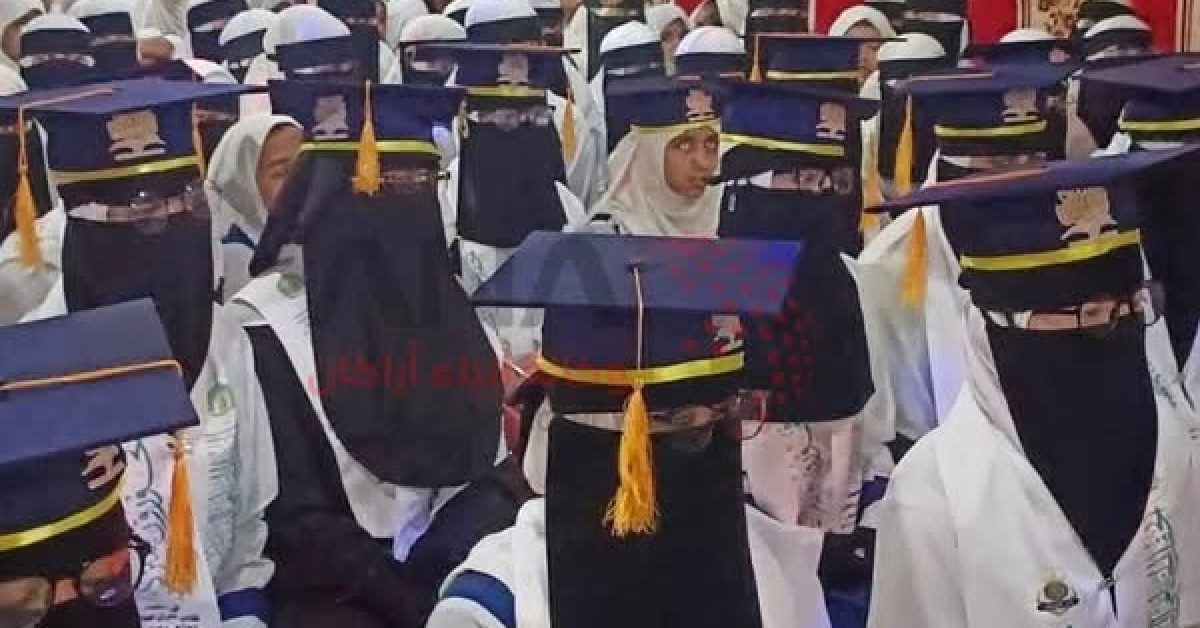
On the evening of March 13, 2026, inside one of the most overcrowded refugee settlements on earth, twenty-five young girls stood in white headscarves. The tents stretched behind them in every direction. The air was thick and heavy. And yet, in that moment, something quiet and extraordinary had just happened.
Each of them had memorized the entire Quran. Word by word. Verse by verse. Surah by surah. In a camp where survival itself is a daily struggle, these girls had carried the entire Book of God inside their hearts.
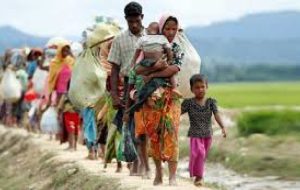
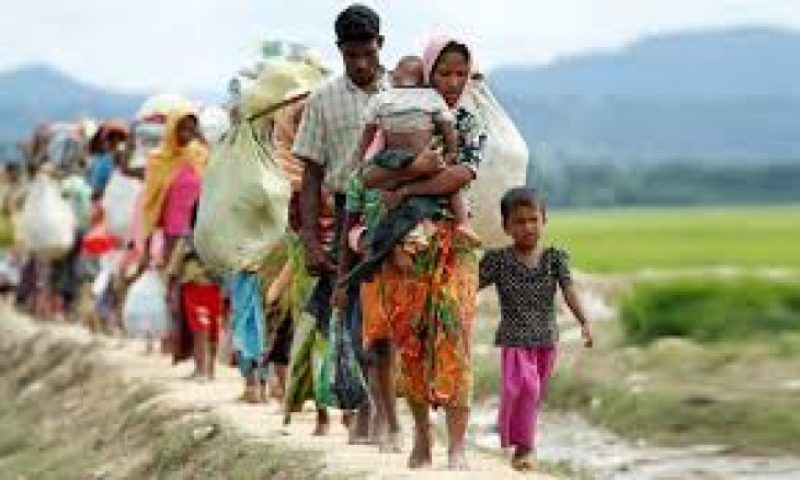
Cox’s Bazar in southern Bangladesh is home to more than 1.2 million Rohingya refugees spread across 33 camps. They arrived in waves, most of them after fleeing mass killings, arson, and systematic persecution in Arakan. They came with almost nothing. Many arrived wounded. Nearly all arrived grieving. And they settled into a temporary life that has, for many families, stretched across years and now into decades.
Camp 17 is one corner of this vast and suffering world. And inside it, in a modest space that could easily be overlooked, the Umm Al-Muminin Aisha School has been building something that no one could take away.
The school began in November 2020. It started with one male teacher, two female teachers, and sixty students. The walls were simple. The resources were few. But the intention, as one of its founders described it, was sincere and clear.
Roshi Dullah, who founded the school after fleeing from the village of Andan in Arakan, remembers those early days with both pride and pain. She watched the school grow slowly, carefully, against every obstacle the camp placed in front of it. Today, 160 girls are enrolled and competing to memorize the Quran. The graduation of the first 25 is not just a milestone for a school. It is a milestone for a people.
“We lost our homes,” Roshi said. “But we did not lose our faith. These young memorizers send a message to the world that the dignity of the Rohingya lives on through preserving the Book of God.”
The learning method used by the school combines sabaq, the teaching of new lessons, with manzil, home revision. Students wake before dawn to review. They sit through the scorching heat of summer. They push through the heavy monsoon rains. They do not stop. They cannot afford to stop, because somewhere in the rhythm of memorization, they have found something no camp policy can erase.
Among the graduates is Sadaqa Bibi, fifteen years old, who completed the full memorization and earned the title of Hafiza. She described her journey with a calm that felt older than her years.
“I used to wake up early to review the Quran,” she said. “God chose me to carry His Book in my heart. That is greater than all the treasures of this world.”
Her father, Hussein Ahmed, is himself a teacher. He watched his daughter achieve what he calls a light inside their narrow tent. He believes, deeply, that educating girls is not just schooling. It is resistance. Against despair. Against the slow erasure of exile. Against the idea that a people without a country must also live without dignity.
Sadaqa’s message to others in the camp was gentle and direct. “Do not let displacement chain your spirits. The Quran is a light that breaks the bars of the camp and opens the horizons of the sky before you.”
At the graduation ceremony, each girl received a certificate. In any other context it would seem like a small thing, a piece of paper with a name on it. But here, inside Camp 17, it was a document of defiance. Proof that knowledge does not need permanent walls to take root. Proof that a child who has lost her home has not lost her future.
Rohingya girls in Cox’s Bazar are doing something that their circumstances told them was impossible. They are studying. They are memorizing. They are graduating. And they are doing it without proper classrooms, without enough Qurans to go around, without salaries guaranteed for their teachers, and without any certainty about tomorrow.
Roshi speaks plainly about what the school still needs. Proper classrooms. Educational materials. Copies of the Quran. Stable funding for teachers. She does not ask for sympathy. She asks for support, so that more girls can walk the same path as the twenty-five who graduated.
The story of these girls will not make headlines the way violence does. It will not trend the way tragedy does. But it is a story that deserves to be told, and told again, because it holds something true about human beings and what we are capable of when faith becomes the only home we have left.
In Camp 17, twenty-five young Rohingya women are now Hafiza. The world took almost everything from them. But it could not take the Book from their hearts.