
Jammu, Jammu and Kashmir, India
More than 250 Rohingya refugees are spending the holy month of Ramadan inside a detention facility in Hiranagar, Kathua district, near the India-Pakistan border. The detentions began in 2021. Indian authorities launched operations that year to identify undocumented migrants. Since then, hundreds of Rohingya have remained locked away without criminal charges.
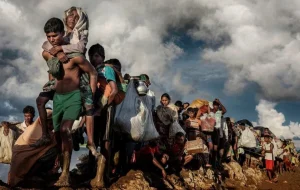
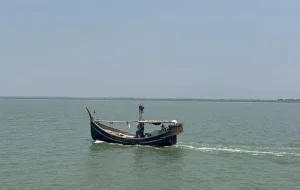
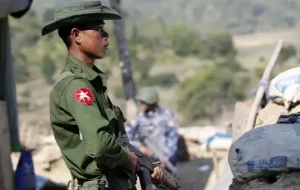
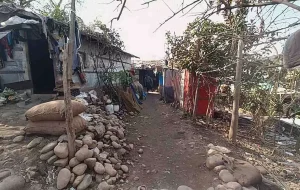
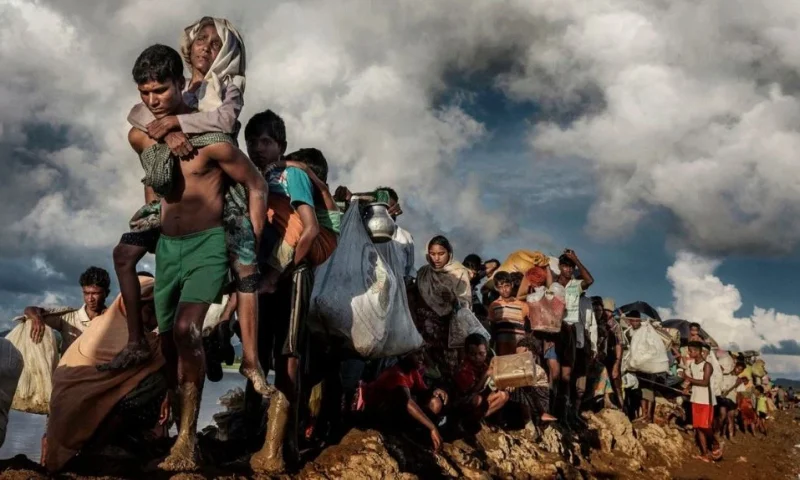
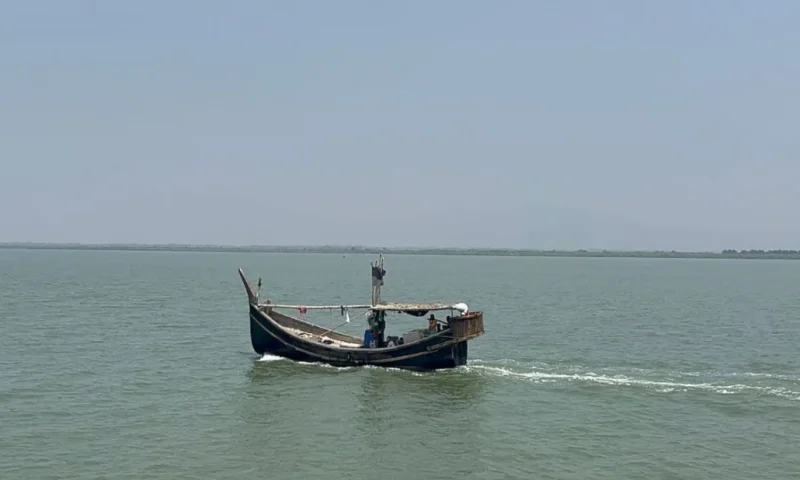
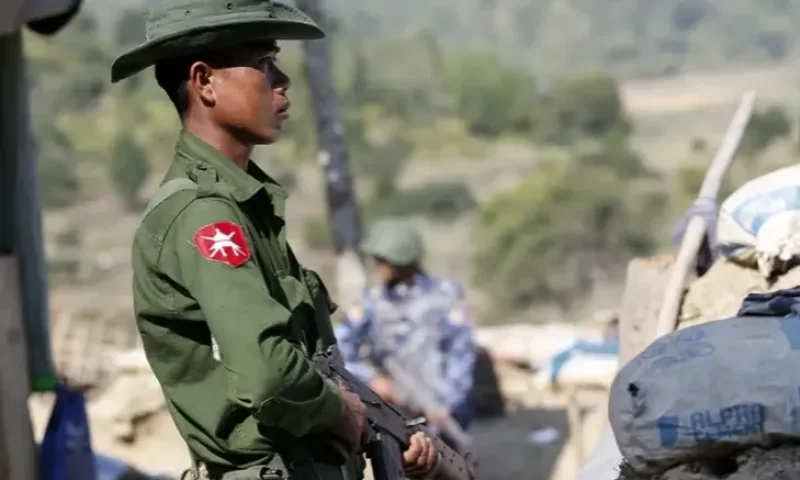
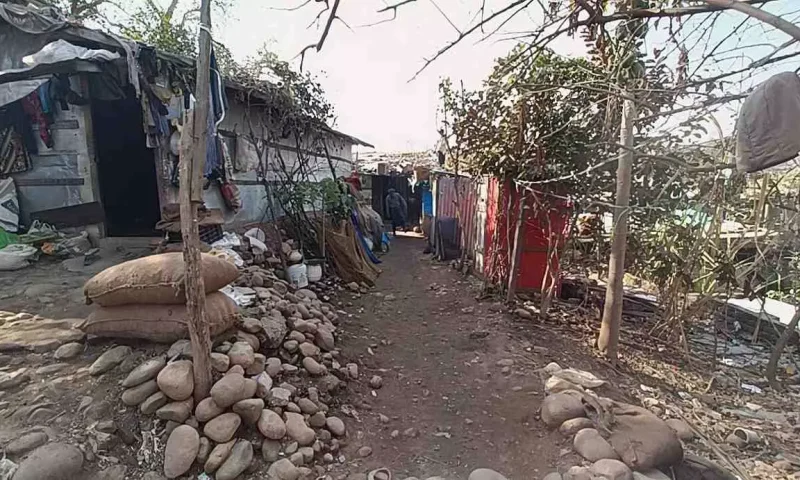
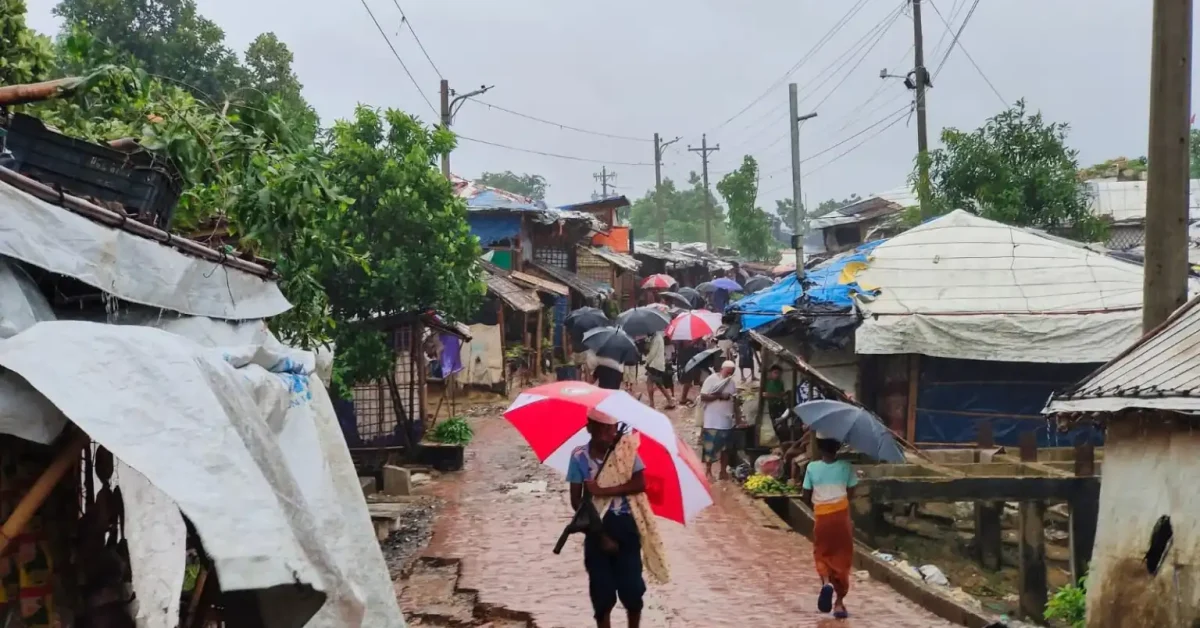
The Rohingyas held in Jammu are not criminals. They are survivors. In 2017, a brutal military crackdown in their homeland forced more than one million Rohingya out of Myanmar. Most fled to Bangladesh. Smaller numbers found their way to India, settling in places like the Narwal colony in Jammu. They came looking for safety. Instead, many now find themselves behind bars.
The separation of families is one of the most painful consequences of this prolonged detention. Children remain in refugee settlements outside. Their parents remain inside holding centers. Some families have endured this separation for years. There are no criminal charges. There are no trials. There is only waiting.
Human rights advocates have raised serious concerns. Many detainees lack legal documents. Without papers, they cannot challenge their detention. Without resources, they cannot hire lawyers. The system leaves them without options. Moreover, international law generally prohibits the prolonged detention of refugees and asylum seekers without charge or fair process.
The timing this year cuts deeper. Ramadan is a month of prayer, family, and shared meals at iftar. For the 250-plus detained in Hiranagar, there is no family table. For the children left in the settlements outside, Ramadan passes without their parents.
The broader context matters. The Rohingya are among the world’s most persecuted minorities. The United Nations has documented severe human rights abuses against them in Myanmar. Bangladesh continues to host more than one million Rohingya refugees, carrying one of the heaviest refugee burdens in the world. The small number who traveled onward to India sought the same basic safety as those in Bangladesh.
However, India has not signed the 1951 Refugee Convention. The country treats undocumented Rohingya primarily as illegal migrants. Therefore, many who might qualify for international protection under refugee law instead face detention and, in some cases, deportation.
Rights organizations call for an immediate review of each detainee’s case. They urge Indian authorities to release those who pose no criminal threat and to connect families separated by detention. For many of the detained, the most basic request is simple: let them be with their children during Ramadan.
The 250 people in Hiranagar are not abstractions in a policy debate. They are mothers who have not held their children for months. They are fathers fasting through Ramadan in a holding facility. They survived military violence in Myanmar, dangerous journeys across borders, and years of refugee life. Now they wait, in silence, for someone to remember they are there.