
Klang, Selangor, Malaysia
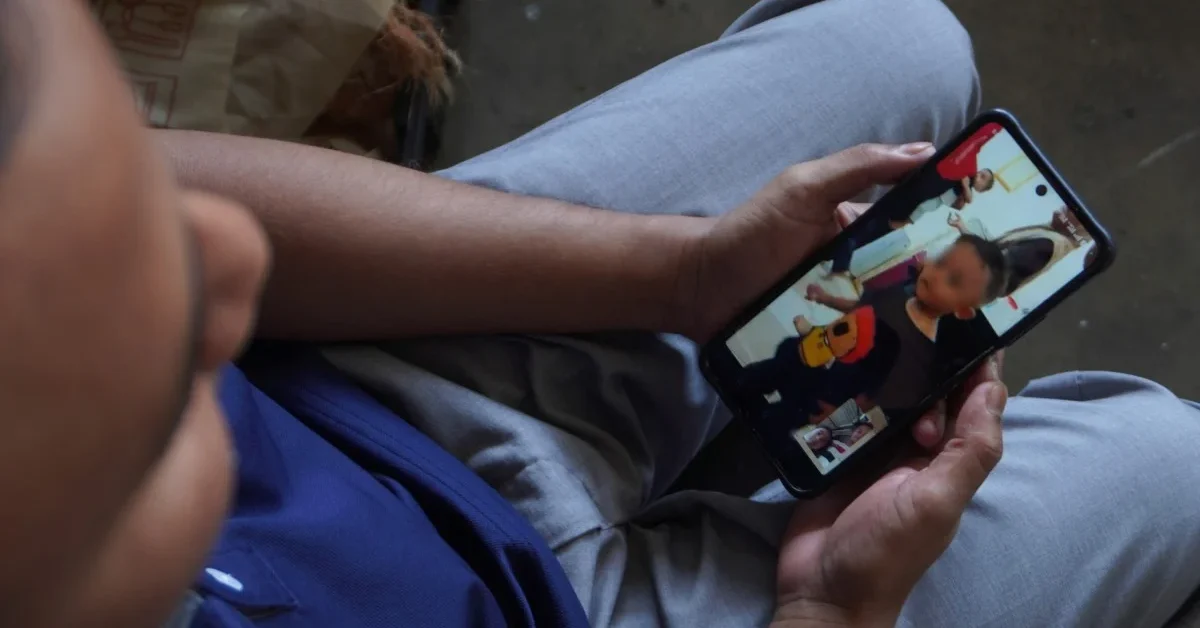
Over the Eid weekend of March 2026, a 26-year-old Rohingya man named Farouk sat alone in a quiet suburb of Klang. He scrolled through his phone. He watched videos of a toddler learning to walk. That toddler is his son. He has never held him.
“He is now two years old, but I have never held him,” Farouk said. “I have only seen him twice from afar at the gate.”
His wife gave birth inside a Malaysian immigration detention centre. It happened one day after officers arrested the family in early 2024. Both had entered Malaysia without legal documents. The system swallowed them whole. Farouk has been watching his son grow through a screen ever since.
This was his third Eid without his family.
Farouk used a false name to protect his family from reprisals inside the facility. He holds a United Nations High Commissioner for Refugees identification card. That card secured his release after a fortnight. His wife and child were not so fortunate. They remain in a detention facility called Baitul Mahabbah in Selangor.
Moreover, even short visits are not easy. Farouk needs written permission to approach the gates. He drops off clothes and supplies through officers. Sometimes, he catches a glimpse of his son from a distance. Sometimes, he cannot even speak to his wife. “I just want my wife and my child to come out,” he said. “I want us to live together as a family.”
His voice carries no anger. Only exhaustion. Only longing.
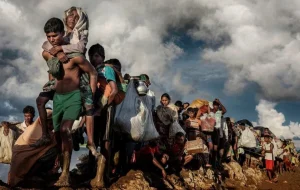
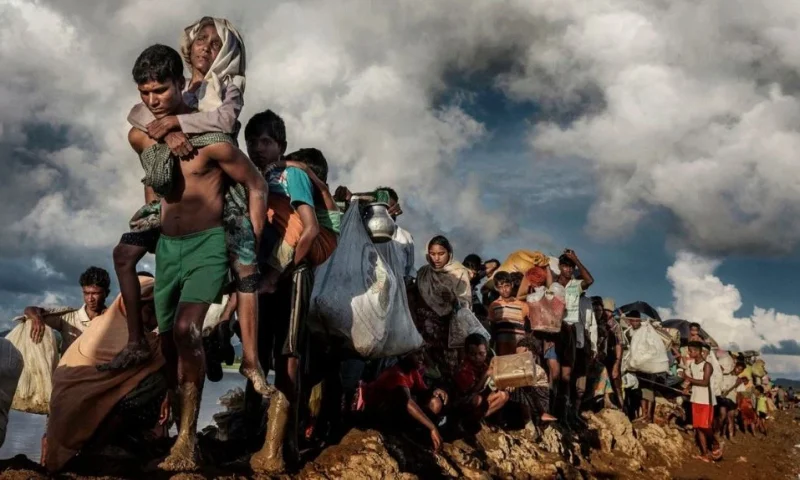
Tens of thousands of Rohingya from Myanmar’s Arakan State have sought safety in Malaysia since the 1990s. They are stateless. They carry no passport. They belong to no country. Malaysia has not signed the 1951 Refugee Convention or its 1967 Protocol. Therefore, the state legally treats them as undocumented migrants rather than refugees.
According to official government statistics, Malaysia’s immigration detention centres currently hold more than 21,000 migrants and refugees. Detainees from Myanmar form the largest group, at 8,884. Among them, 5,102 are Rohingya. They cannot work legally. They cannot access proper healthcare. They have no pathway forward.
However, Malaysia’s public posture tells a different story. Prime Minister Anwar Ibrahim has called on Myanmar’s military to end its war. Malaysian officials have spoken passionately at international forums about the suffering of Rohingya people. Yet inside the country, Rohingya are being held behind wire fences, separated from their children, and denied access to independent monitors.
“Malaysia’s position is quite simple,” said Charles Santiago, a former lawmaker and rights advocate. “If you come illegally, you are arrested and detained. I think this is somewhat hypocritical.”
Rights groups have documented what happens inside these facilities. A 2024 report by the Enforcement Agency Integrity Commission found evidence of violence and abuse at the Bidor Immigration Depot in Perak. Detainees reported beatings and severe overcrowding. Access to healthcare was restricted. Advocacy organisation Fortify Rights this month released fresh allegations of similar conditions across multiple facilities.
“Without basic transparency measures, it is a system where abuse can occur unchecked and with impunity,” said Yap Lay Sheng, senior human rights specialist at Fortify Rights.
Furthermore, since 2019, the Malaysian government has barred the UNHCR from entering detention centres. Rohingya detainees have no access to court review. Their detention is indefinite. Rights groups call this arbitrary. They call it a violation of international law.
Zafar Ahmad Abdul Ghani, president of the Myanmar Ethnic Rohingya Human Rights Organisation Malaysia, described the human cost simply. “Some families are separated, some are inside, some are outside,” he said. “This creates a lot of emotional stress.”
Advocates are calling for urgent reform. They want Malaysia to open detention centres to UNHCR officials and independent monitors. They want body cameras on immigration officers. They want closed-circuit surveillance inside facilities. They are calling for amendments to the Immigration Act to formally recognise refugees. Most urgently, they want children and separated families released now.
“Malaysia can provide temporary legal status, work rights and basic oversight of immigration enforcement,” Yap said.
Meanwhile, Farouk waits. He watches the same videos. His son laughs in the clips. His son reaches out, looking for someone to hold his hand. Farouk is not there to hold it.
“If my son grows up without me,” Farouk said quietly, “he may never even know me.”
Eid came and went. The festival of family, of reunion, of gratitude. For thousands of Rohingya held inside Malaysian detention centres, it passed like every other day. Behind walls. Without family. Without freedom. The world celebrated. They waited.