
Cox’s Bazar, Bangladesh
On Saturday, April 25, protection experts gathered in Cox’s Bazar. They shared a sobering message. Human trafficking continues to endanger vulnerable Rohingya families. Therefore, coordinated action is urgently needed.
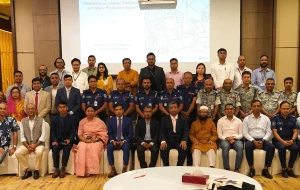
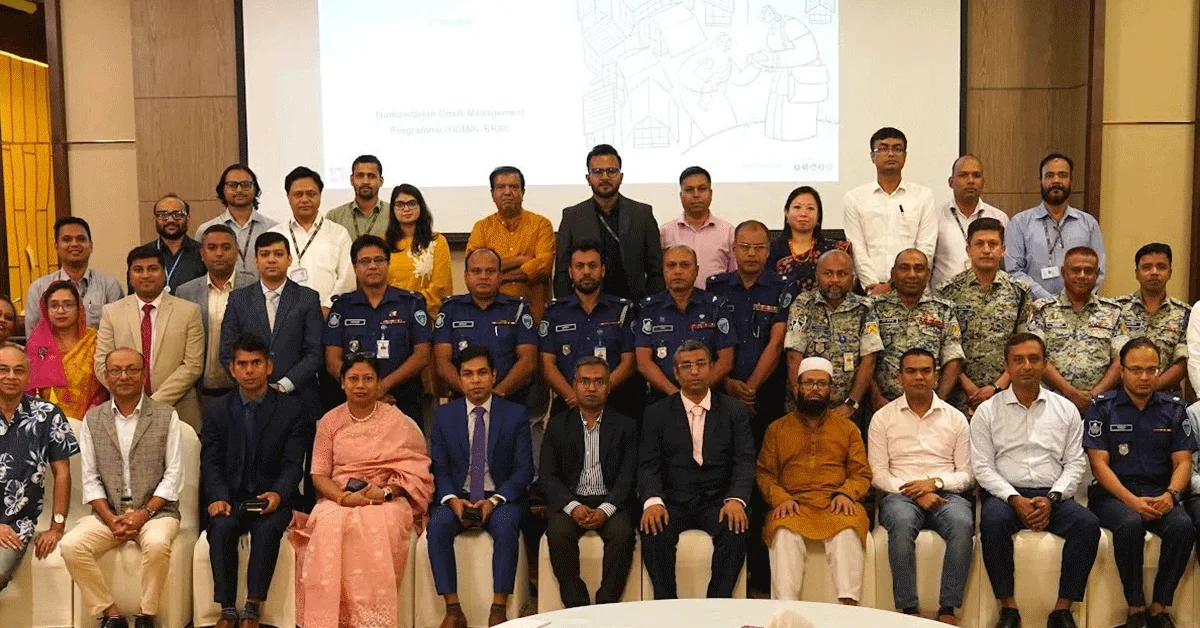
BRAC’s Humanitarian Crisis Management Programme organized the workshop. Judiciary members, law enforcement officials, and camp authorities attended. Their goal was clear. They aimed to strengthen collaboration. Moreover, they sought to protect displaced communities from exploitation.
Statistics presented at the workshop reveal a troubling trend. The Anti-Trafficking Working Group’s 2025 report shows critical data. 33% of trafficking victims are women and girls. Furthermore, 25% of victims are under 18 years old. Most concerning, trafficking cases rose by 28.8% in 2025 compared to 2024. These numbers demand immediate attention.
However, multiple challenges hinder effective prevention. Evidence management remains inconsistent. Police officers face heavy workloads and frequent transfers. Additionally, registering cases related to Rohingya communities often encounters procedural delays. Consequently, serious crimes are sometimes resolved through informal channels. This undermines justice. It leaves victims without protection.
Despite these obstacles, meaningful progress is possible. BRAC’s Protection Sector has provided legal aid to 784 trafficking survivors since 2017. This support continues through March 2026. Moreover, under the Humanitarian Development Coexistence project, 400 community members received skills training. These include Rohingya teachers, volunteers, and imams. Therefore, community-led prevention is growing stronger.
During the workshop, Md. Tanvir Islam outlined the legal framework for combating trafficking. Meanwhile, Fakhrul Hasan highlighted operational challenges from a law enforcement perspective. Furthermore, Senior District Judge Mohammad Saifur Rahman Siddik explained judicial procedures. Their insights underscored the need for seamless coordination.
Camp authorities also emphasized practical solutions. Camp-in-Charge representatives from multiple camps shared field-level experiences. Additionally, representatives from IOM and UNHCR contributed global perspectives. Therefore, the dialogue bridged local realities with international standards.
Strengthening Protection Systems Through Unity
The path forward requires sustained commitment. First, evidence management systems must improve. Second, law enforcement capacity needs strengthening. Third, community awareness programs should expand. Moreover, victim support services must remain accessible and trauma-informed. Finally, all stakeholders must maintain open communication channels.
In conclusion, protecting Rohingya communities from human trafficking is a shared responsibility. Therefore, judiciary members, police officers, NGOs, and camp authorities must work as one. With coordinated action, we can reduce vulnerabilities. We can restore hope. And we can ensure that every person enjoys the right to safety and dignity.