

Cox’s Bazar, Bangladesh
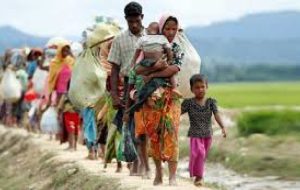
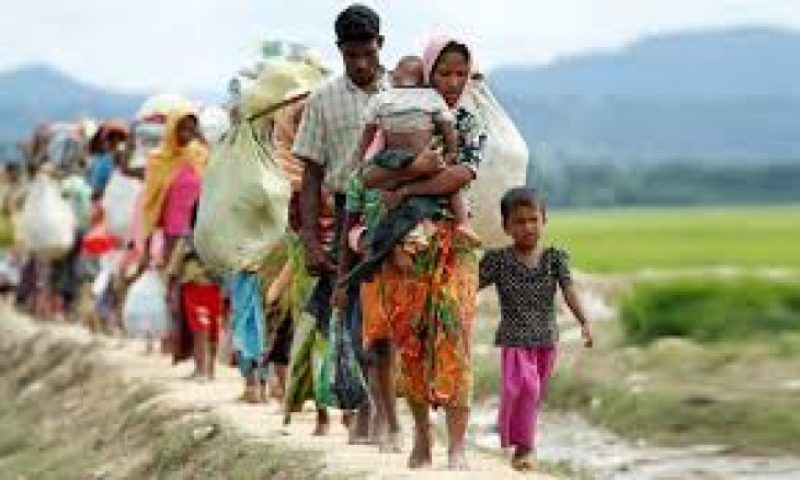
April 26, 2026. Funds meant for Rohingya refugees and local communities in Cox’s Bazar now face scrutiny. Recent reports reveal that money from a World Bank-funded Rohingya crisis response project supported European travel for government officials. The Local Government, Rural Development and Cooperatives Ministry’s State Minister’s Personal Secretary and Assistant Personal Secretary traveled to France, Italy, and Turkey using these funds.
The Emergency Multi-Sector Rohingya Crisis Response Project aims to deliver safe water, sanitation, healthcare, and infrastructure improvements. Vulnerable families depend on this support. Therefore, questions arise about spending priorities during a humanitarian crisis.
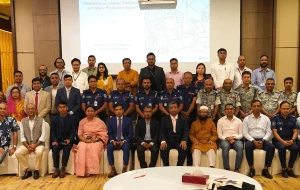
Government documents show that Personal Secretary Md. Tasnimuzzaman visited France and Italy from April 7 to April 16. The Local Government Division approved this training program. The project’s foreign training fund covered all expenses. Seven other officials joined this delegation. They included joint secretaries, assistant secretaries, and engineers from LGED and the EMCRP project.
Meanwhile, Assistant Personal Secretary Md. Touhidul Islam traveled to Turkey from March 29 to April 7. The same project fund financed this trip. He also traveled with seven colleagues. Their stated purpose involved studying refugee management models.
Touhidul Islam explained that Turkey hosts many Syrian refugees. Therefore, they wanted to learn management strategies. He said, “We explored how Turkey supports refugees and what challenges they face. We considered whether Bangladesh could adopt similar approaches.” He added that the ministry selected participants from both ministerial and engineering departments.
However, Tasnimuzzaman did not respond to multiple calls or WhatsApp messages. Similarly, the Local Government Division Secretary and LGED’s Chief Engineer remained unavailable for comment. A senior assistant secretary who signed the travel order stated that her office issues orders based on directives from relevant divisions.
The EMCRP project now approaches its final phase. Assistant Chief Engineer Mohammad Abul Kalam Azad noted that Project Director Md. Al Amin Faisal currently oversees operations. Yet, transparency concerns persist. Communities awaiting clean water and healthcare wonder if their needs remain the top priority.
Moreover, Bangladesh emphasizes fiscal austerity amid economic pressures. Therefore, using humanitarian funds for international travel draws public attention. Stakeholders urge clear communication about how such decisions serve refugee and host community welfare.
In conclusion, every taka allocated for crisis response carries moral weight. Vulnerable people rely on these resources. Therefore, officials must ensure that spending aligns with humanitarian goals. Transparent reporting builds public trust. Responsible stewardship honors the dignity of displaced families. And accountable governance strengthens Bangladesh’s compassionate response to regional displacement.