

Mirpur, Dhaka
Bangladesh’s Army Chief made a striking admission Thursday. General Waker-uz-Zaman stated that Bangladesh had not procured multi-role combat aircraft for a long time. He argued that adequate air defence capability in the Cox’s Bazar or Chattogram region might have prevented the Rohingya crisis entirely.
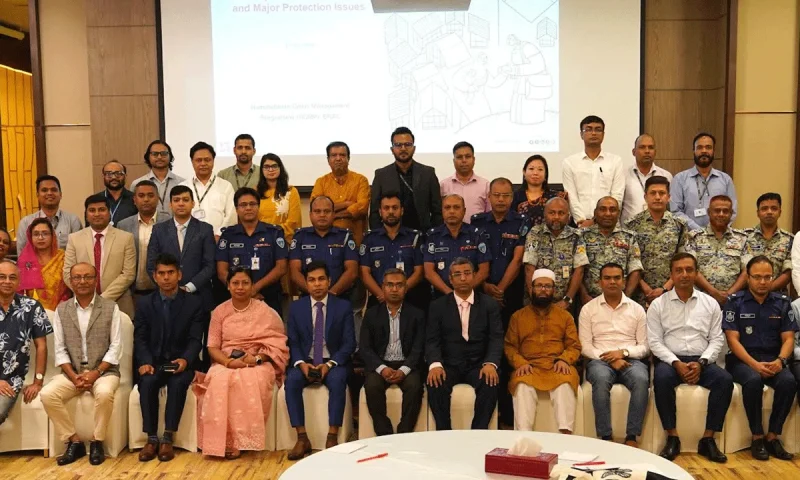
He delivered this assessment as chief guest at the closing ceremony of the three-week intensive Capstone Course at the National Defence College (NDC) in Mirpur. The course brought together senior officials from across Bangladesh’s public and private sectors. Forty-five fellows participated, including Members of Parliament, senior military and police officers, educators, physicians, diplomats, and corporate representatives.
General Waker-uz-Zaman connected defence investment directly to long-term savings, stating that timely expenditure today could prevent far greater losses tomorrow. He also stressed that effective foreign policy cannot be implemented without a strong defence system. Consequently, Bangladesh’s diplomatic posture remains constrained by its military gaps.
He reaffirmed that military preparedness and foreign policy are mutually dependent. He emphasised that any institution lacking accountability cannot grow, and that Bangladesh’s military must remain accountable at all times. Moreover, he underlined that Bangladesh prepares for war not to fight, but to deter conflict entirely.
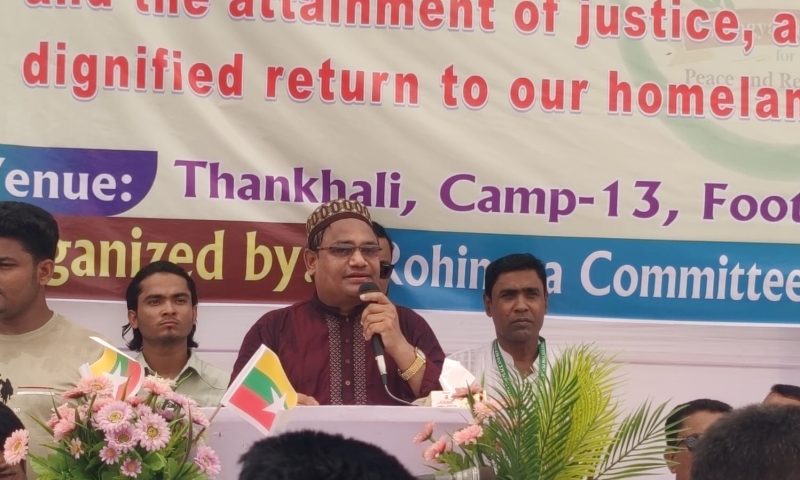
Currently, more than 1.1 million Rohingya refugees shelter across camps in Ukhiya and Teknaf in Cox’s Bazar. Their prolonged presence continues to strain the local economy, environment, and regional security. No repatriation effort has succeeded amid Myanmar’s deteriorating conditions.
Bangladesh’s interim government is now attempting to re-engage the international community on the Rohingya crisis. Three major international conferences are scheduled within the coming months, organised by the United Nations, Qatar, and Bangladesh respectively. However, the path to resolution remains deeply uncertain.
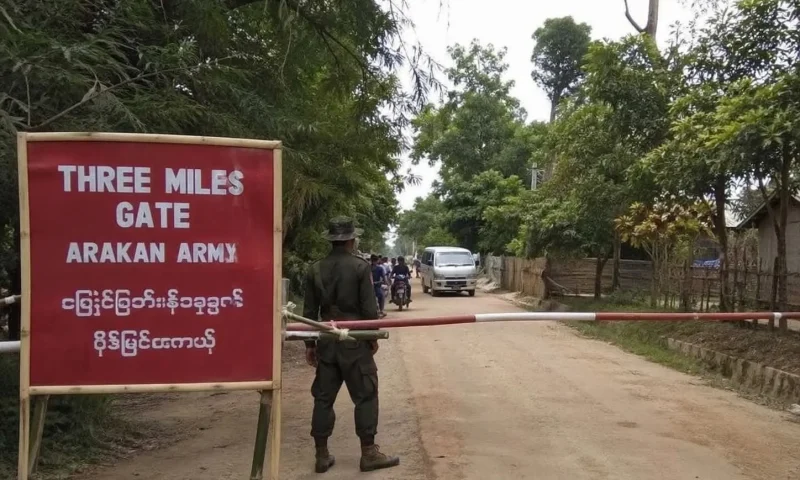
Competing geopolitical interests including those of China, India, Russia, and Japan in Arakan have made Rohingya repatriation increasingly uncertain for Bangladesh. Chief Adviser Dr. Muhammad Yunus has previously described the unresolved crisis as a ticking time bomb. He warned the international community that the problem cannot wait indefinitely.
Bangladesh now faces a dual imperative. It must modernise its defence capabilities. Simultaneously, it must sustain diplomatic pressure on the global stage. The Army Chief’s candid remarks signal that Dhaka recognises both failures and intends to address them.