
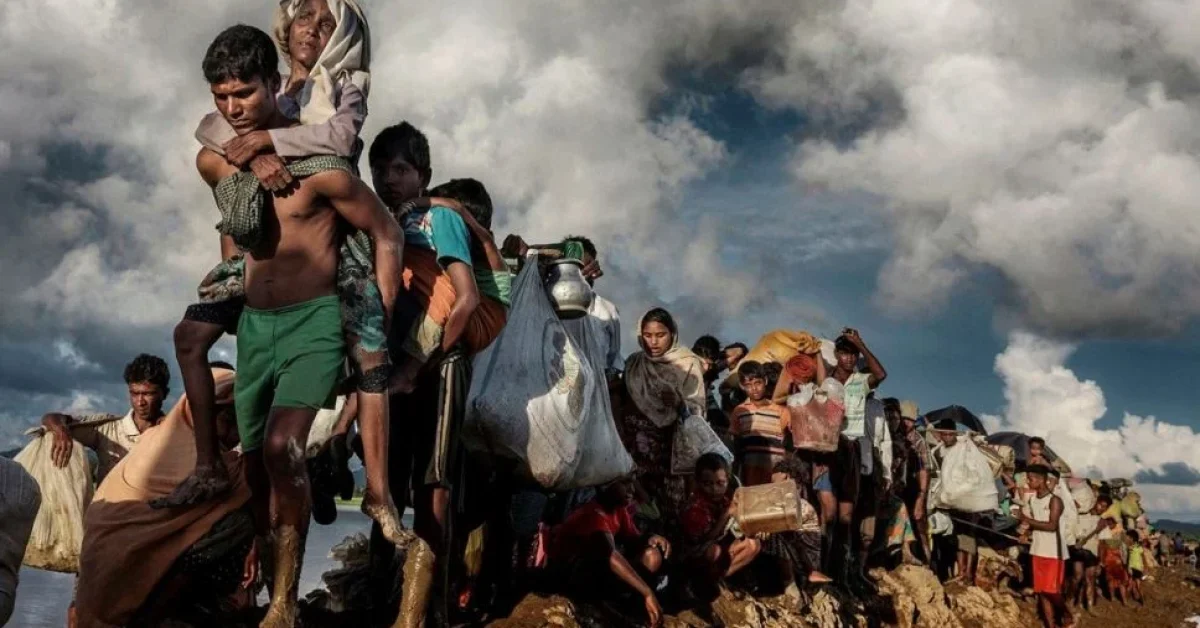
Ukhia and Teknaf, Cox’s Bazar
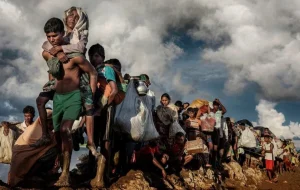
May 10, 2026. Hope fades in the sprawling Rohingya camps of Cox’s Bazar. International aid has fallen by half. Families struggle to survive. Children go hungry. Dreams feel distant.
Over 1.2 million Rohingya refugees call these 33 camps home. They fled genocide in Arakan. They sought safety in Bangladesh. For nine years, global support sustained their basic needs. Now, that support shrinks. The consequences unfold daily.
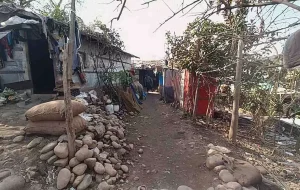
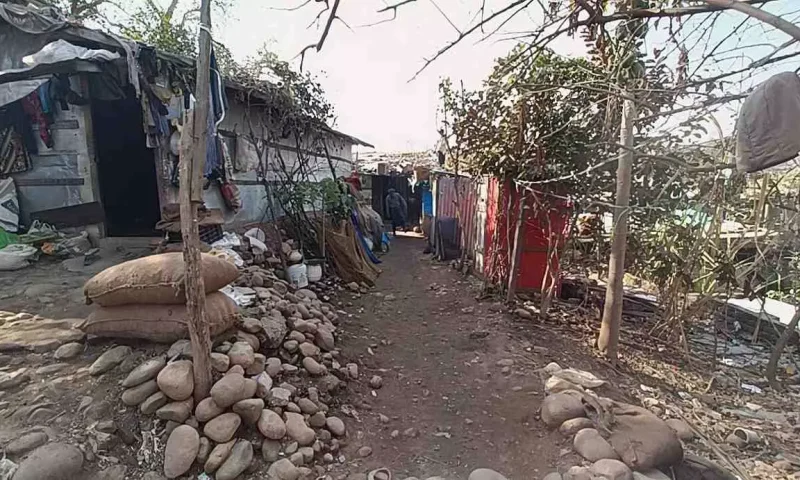
Food rations decrease. Health services decline. Shelter repairs stall. Landslides damage fragile homes. Malnutrition rises among children. Mothers watch helplessly. Fathers search for work. Young people feel trapped.
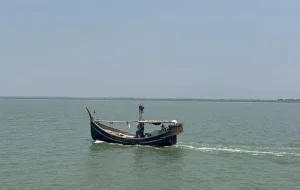
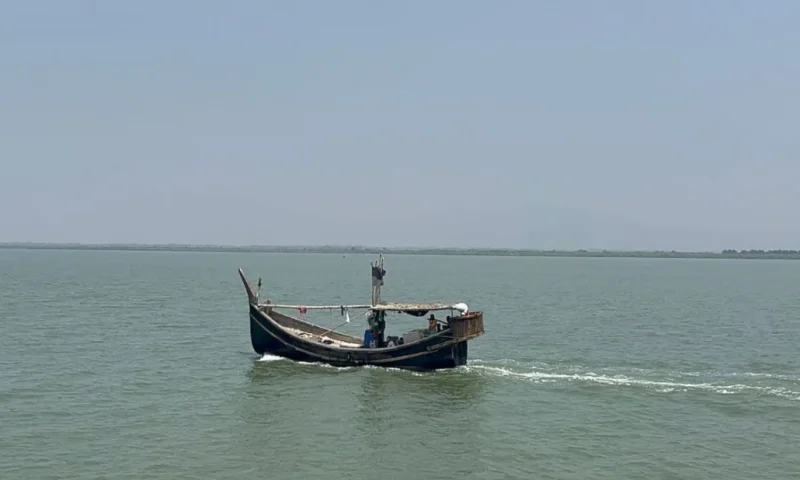
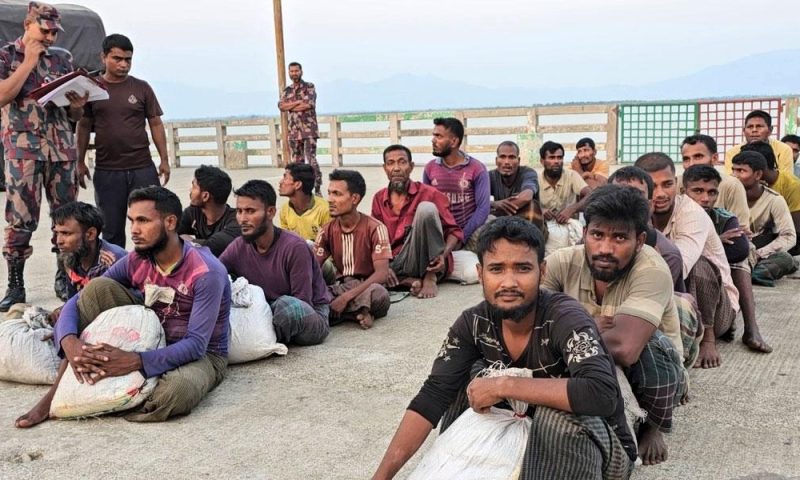
Desperation drives difficult choices. Some leave camps seeking food or income. They face dangerous paths. Human traffickers exploit their vulnerability. Recent boat tragedies in the Andaman Sea illustrate the peril. Over 100 Rohingya died or vanished. Families still wait for news. Their grief remains unspoken.
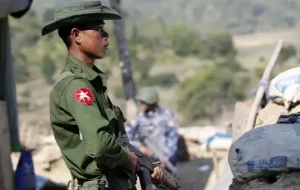
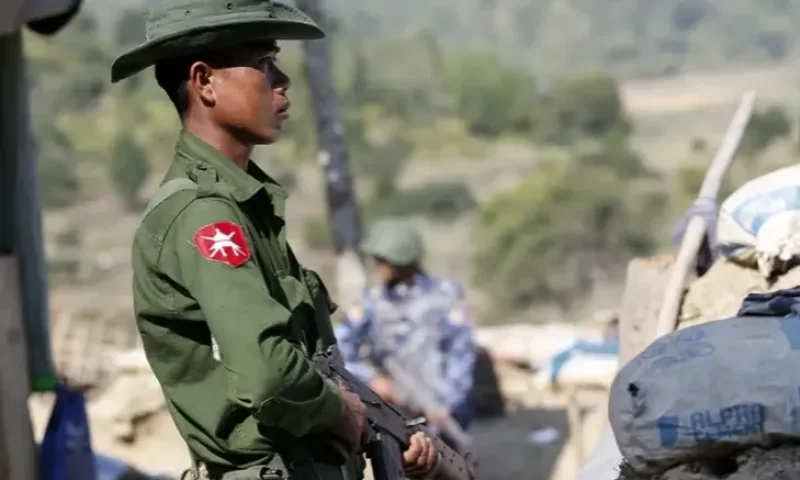
Armed groups operate within camp boundaries. ARSA, RSO, and the Arakan Rohingya Army compete for influence. Violence erupts regularly. Young Rohingya men face pressure to join. Some volunteer hoping for protection. Others face forced recruitment. Research indicates over 5,000 young men have been conscripted. Their futures hang in balance.
Security analysts express concern. They warn that sustained instability could affect border regions. However, they emphasize that Rohingya communities are not threats. They are victims of circumstance. They need support, not suspicion. Bangladesh continues to provide sanctuary despite limited resources.
Border Guard Bangladesh strengthens monitoring. New thermal imaging systems and drone surveillance enhance security. Commander Colonel Mohiuddin Ahmed notes progress against arms and drug smuggling. He confirms no separatist Rohingya armed groups operate on Bangladeshi soil.
Security expert Brigadier General (Retd.) Abdullah Al Yusuf offers perspective. He notes diplomatic efforts for repatriation have stalled. Rohingya communities experience frustration and uncertainty. He highlights that drug trafficking fuels regional violence. These drugs enter Bangladesh, creating additional challenges.
Refugee Relief and Repatriation Commissioner Mohammad Mizanur Rahman confirms the aid reduction. He states support has dropped from $1 billion annually to approximately $500 million. Every sector feels the impact: shelter, food, health, education, protection, logistics.
The international community will review the Joint Response Plan in Geneva later this month. Bangladesh will present the urgent needs of Rohingya communities. They will request renewed commitment from donor nations and agencies.
Rohingya families wait. They hope for safety. They hope for return. They hope for dignity. Their resilience inspires. Their struggle demands attention. Global solidarity can make a difference. Every voice matters. Every action counts.