
Sydney, Australia
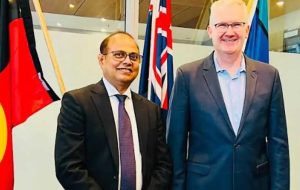
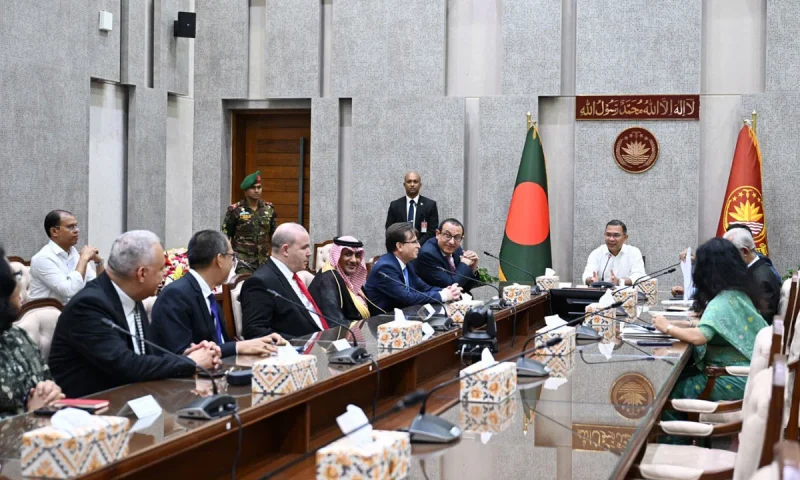
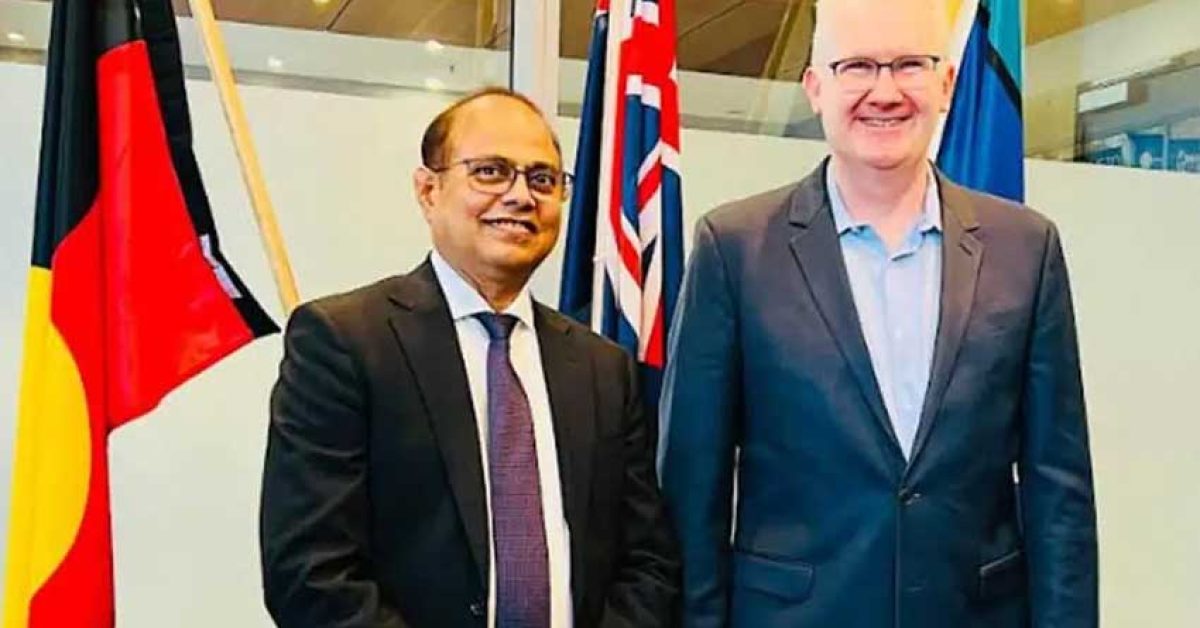
Bangladesh’s High Commissioner to Australia, F. M. Borhanudddin, met Australian Home Affairs Minister Tony Burke on Friday, May 8. The courtesy meeting took place at the Minister’s office in Sydney. Consequently, it has drawn fresh attention to the growing international dimension of the Rohingya refugee crisis.
Both sides engaged in wide-ranging discussions on matters of shared bilateral interest. They placed particular emphasis on two critical areas: legal and regular migration pathways and a durable, sustainable resolution to the Rohingya crisis. The Bangladesh High Commission in Canberra confirmed the meeting details on Tuesday, May 12.
Minister Tony Burke used the occasion to acknowledge the positive contributions of the Bangladeshi diaspora community living in Australia. He recognised their meaningful role in both the Australian economy and its broader social fabric. Moreover, his remarks signalled a deepening of goodwill between the two nations at the highest diplomatic levels.
High Commissioner Borhanudddin expressed sincere gratitude to the Australian government for the opportunities extended to the Bangladeshi community. He reaffirmed Bangladesh’s commitment to strengthening the bilateral partnership with Australia across all key areas of cooperation.
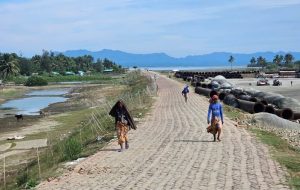
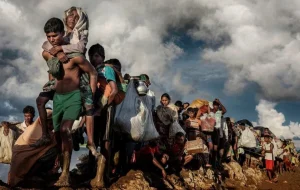
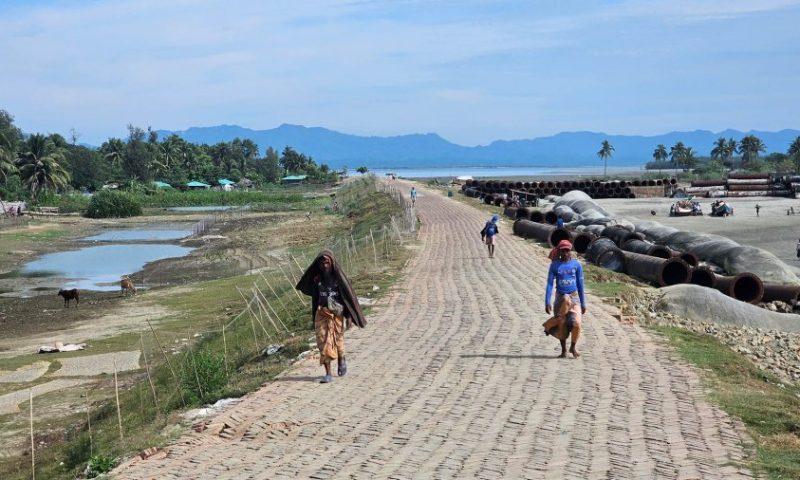
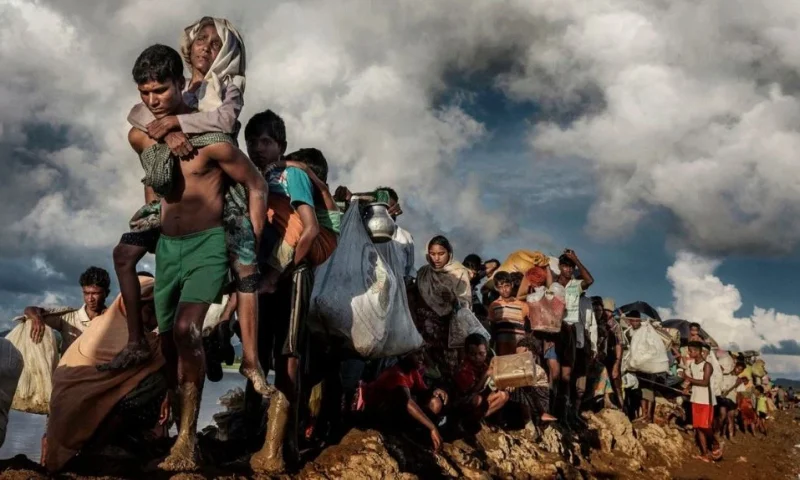
The Rohingya crisis remains one of the most complex and enduring humanitarian emergencies in the world. Bangladesh currently hosts over 1.2 million Rohingya refugees, the vast majority displaced by violence from Myanmar’s Arakan region. Consequently, the country shoulders an enormous human, economic, and social burden largely without adequate global burden-sharing.
For years, Bangladesh has called on the international community to play a more active role. Funding gaps, repatriation stalls, and limited third-country resettlement have left millions in protracted displacement. Moreover, the situation in Arakan has continued to deteriorate, making voluntary return both unsafe and uncertain for the foreseeable future.
Australia represents an important partner in this advocacy. As a significant donor to UNHCR and regional humanitarian programs, Canberra’s engagement carries diplomatic and financial weight. The May 8 meeting signals that Bangladesh is actively pursuing high-level conversations to broaden the international coalition addressing this crisis.
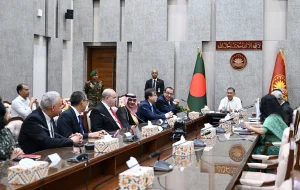
Both governments reaffirmed their commitment to deepening bilateral cooperation. However, the path to a genuine Rohingya solution demands more than bilateral goodwill. It demands sustained multilateral pressure, increased resettlement commitments, and an unambiguous international call for justice for the Rohingya people.
Bangladesh’s diplomats continue carrying this message to capitals across the world. The Sydney meeting is one more step in a long and necessary journey toward ensuring the Rohingya people are not forgotten by the global community.